Custom phone cases for POD stores: which providers support them, what the unit cost looks like, and the WooCommerce margin advantage
Adding a custom phone case to your POD store sounds straightforward until you start looking for actual information on how it works. The search results for “custom phone case” are packed with storefronts — CASETiFY, BaubleBar, PelaCase — all helping consumers design a single case for their own phone. None of that content is useful if you are a POD seller who wants to list custom phone cases as an ongoing product line, set your own prices, and automate fulfillment through Printful or Printify.
This guide covers the question those results skip: which phone models do Printful and Printify actually support, what does the unit cost math look like at real volumes, and does the margin hold up on a platform that takes a percentage of every sale? We will go through provider coverage, print methods, unit economics at 1, 10, and 50 units per month, and the Shopify versus WooCommerce fee calculation at a $28 average selling price.
Why custom phone cases are a high-margin addition to any POD store
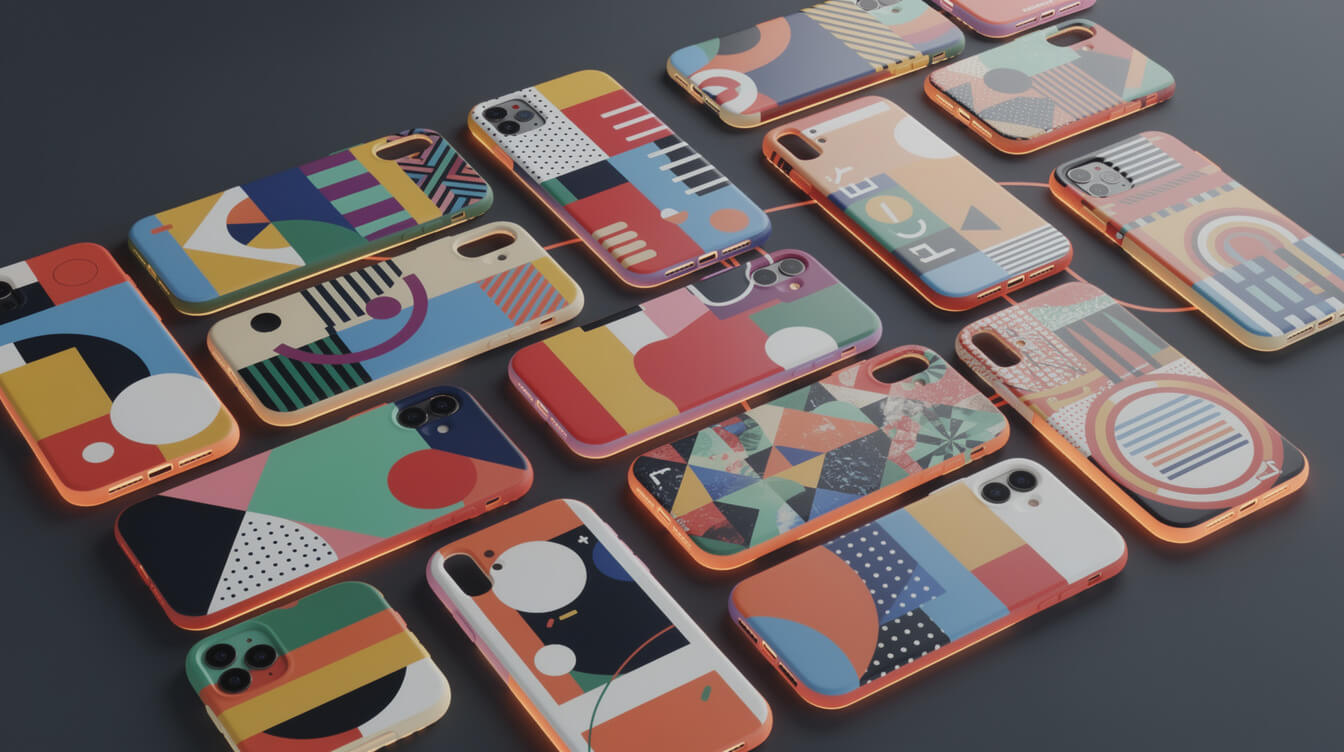
Phone cases sit at one of the better margin positions in the POD accessories catalog. The product is lightweight, ships inexpensively relative to its retail price, and carries a natural price point of $25-35 without feeling overpriced to the customer. For comparison, a premium t-shirt through Printful costs $13-17 to produce and typically retails at $28-35. A snap phone case costs $14-17 to produce through the same provider and retails in the same $28-35 range — often higher for design-led or niche products.
There is no sizing complexity. A seller offering iPhone 15 Pro Max cases does not manage S/M/L/XL inventory, does not receive returns because the fit was wrong, and does not need fit photography in their marketing overhead. The only variant is model compatibility, and the customer knows exactly which phone they own.
The demand side is durable. Smartphone replacement cycles run two to three years globally. People buy a new case when they switch phones, often within days of unboxing. For a niche POD store, that replacement dynamic creates repeat purchase opportunities that most apparel products cannot match. A customer who buys a custom pet portrait case today will need a new one when they upgrade to the next iPhone model.
For a store built on niche design, phone cases are a natural catalog extension beyond apparel. A store selling custom pet portrait products can place the same design concept on a phone case. A streetwear brand can run the same graphic on a hoodie and a matching phone case. The marginal cost of adding a phone case SKU when you already have a design is close to zero in the design phase — the only incremental work is configuring product variants in Printful or Printify and pushing them to your store.
The two questions sellers face before adding phone cases: which models does Printful or Printify actually support, and what does the unit cost math look like at a volume your store can realistically hit?
Which phone case models Printful and Printify actually support
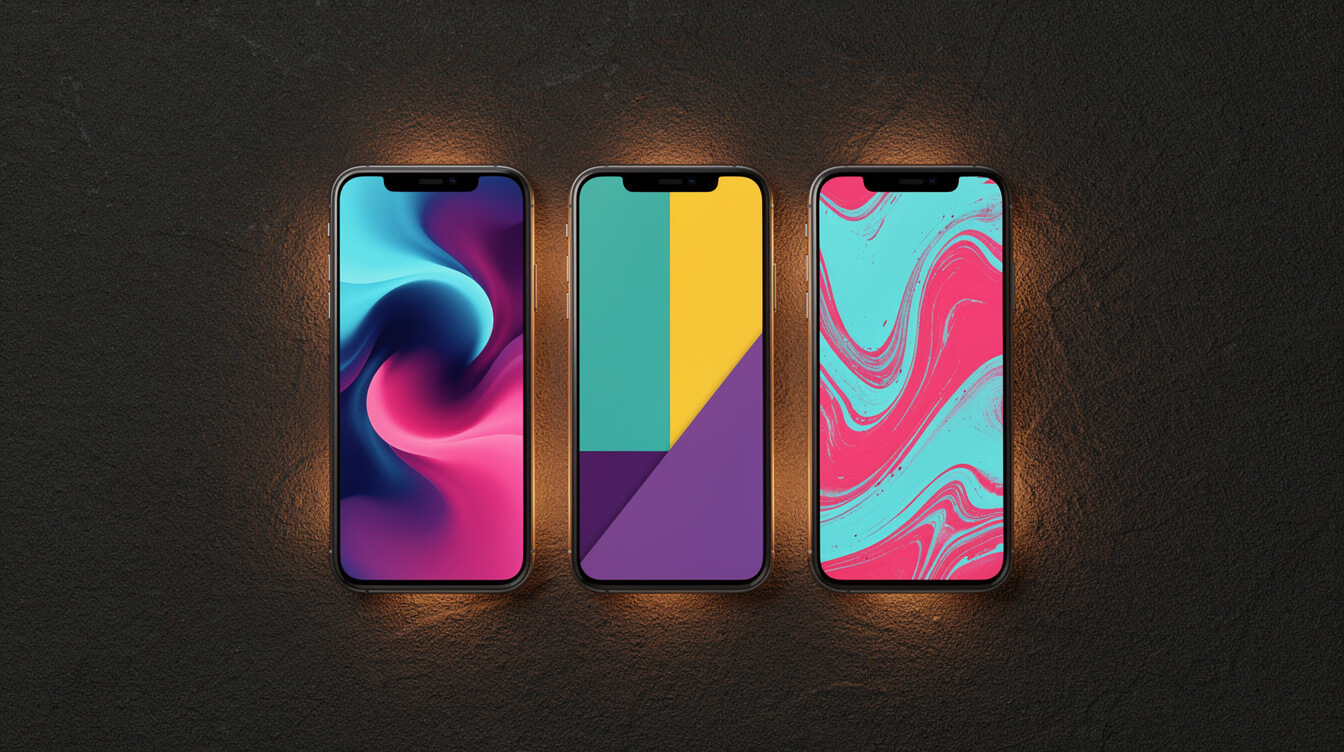
Both Printful and Printify carry custom phone cases, but the catalogs are narrower than sellers often expect. Understanding coverage gaps before you build a product line saves you from customer service problems after launch.
Printful phone case support
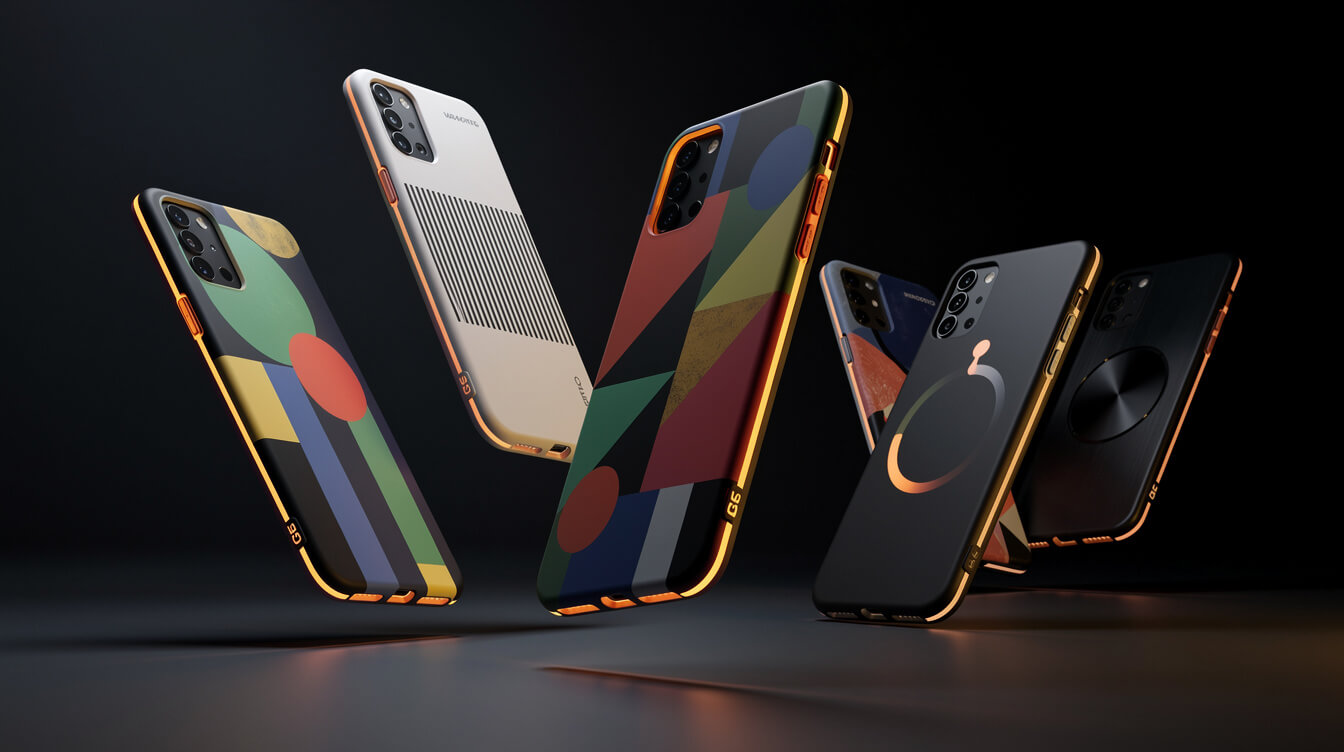
Printful offers snap cases and tough cases across iPhone models going back to the iPhone 12 series. The current 2026 lineup includes iPhone 16, 16 Plus, 16 Pro, 16 Pro Max, 15, 15 Plus, 15 Pro, 15 Pro Max, and select models from the 13 and 14 generations. Their Samsung catalog covers Galaxy S22, S23, and S24 series models.
Two notable gaps: Printful does not carry older iPhone SE models in their standard POD phone case lineup, and their Samsung coverage lags Apple by one to two model generations. If your audience skews toward budget Android devices, Printful’s catalog will leave gaps in the models your customers actually own.
Printify phone case support
Printify’s catalog varies by print provider because they operate as a network of third-party fulfillment partners rather than a direct manufacturer. The best-supported provider for phone cases in the Printify network is Print Geek, which covers iPhone 14, 15, and 16 series plus Galaxy S21 through S24. Other Printify providers — CustomCat, Prodigi — also carry phone cases but with different model coverage and variable lead times. Expect to test one or two providers before settling on a consistent supplier.
What is missing across both providers
Neither Printful nor Printify currently carries Google Pixel cases in their standard POD catalog. Neither offers leather cases, wallet-style cases, or MagSafe-compatible cases as a printable product. If a customer wants a custom Pixel 9 case, there is no direct POD fulfillment path through either major provider as of 2026.
For most sellers starting out, begin with iPhone 15 and 16 series through Printful. These models cover the largest share of active US smartphone users, Printful’s quality control on phone cases is consistent and well-documented, and the mockup generator renders them accurately. Expand to Samsung after your first iPhone SKUs are generating sales data.
Sublimation vs. snap-on: how the print method affects your product quality and cost

Smash print-on-demand. Join the engine room.
One short email a week. Real numbers, real teardowns, the unfiltered economics behind every move.
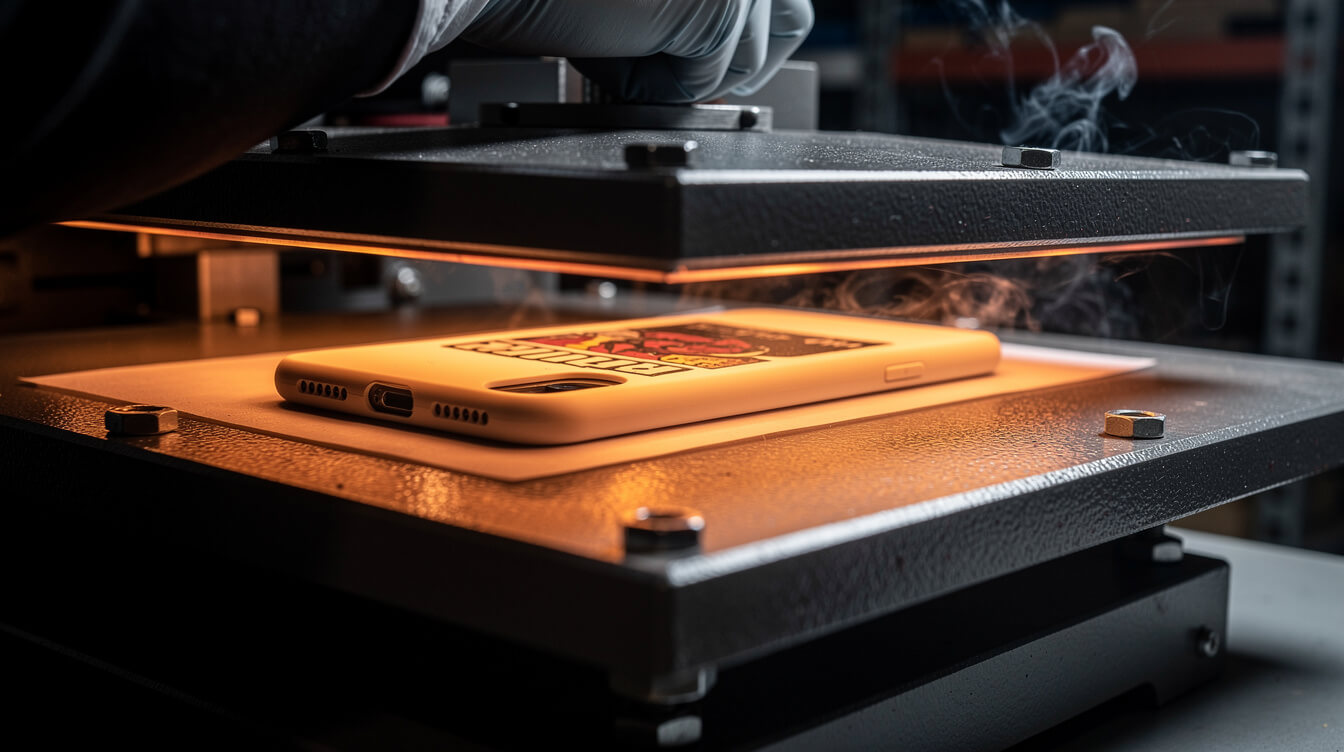
Two dominant print formats exist for POD phone cases: sublimation printing on a dedicated sublimation blank, and direct surface printing on a snap-on or tough case. The difference affects your product positioning, the types of designs that work well, and the final unit cost.
Sublimation printing
Sublimation transfers ink directly into the case surface using heat and pressure. The result is a full-wrap print covering the entire back panel and edges with no visible white borders, no peeling over time, and color embedded in the material rather than sitting on top. The process produces vibrant, photo-accurate output on designs with rich colors, gradients, and photographic elements.
The constraint: sublimation requires a polymer-coated surface. Most sublimation phone cases use a hard polycarbonate shell with a white polymer coating, which means the base starts white before printing. Bold, all-over designs work beautifully. Light-colored designs on a pale background can look washed out if printer calibration is not tight. If your design direction involves fine detail on a light background, order a sample before listing the product.
Snap-on cases with direct surface printing
Printful’s standard snap cases use direct surface printing rather than full sublimation. The print area covers the back panel and part of the sides, but the edge material remains in its base color — typically black or clear polycarbonate. These cases score better in drop-impact tests than typical sublimation cases, and the hard shell provides consistent protection across phone models.
Direct print cases are also more forgiving on color accuracy because the print is applied to a controlled flat surface rather than transferred via heat. Text-adjacent designs and those with defined border areas reproduce more reliably in the direct print format than in sublimation.
Which format to choose
For most sellers starting out, Printful’s snap cases are the right default. The quality is consistent, the mockup generator is accurate, and the per-unit cost is predictable. Sublimation cases through Printify’s network offer more flexibility on edge-to-edge design coverage but require active vetting of your chosen provider’s sample quality. If your designs are primarily photos, gradients, or all-over patterns, sublimation through a tested Printify provider is worth evaluating after your first snap-case revenue is running.
Unit cost math: what a custom phone case costs your POD store at 1, 10, and 50 units

Phone cases sit at a solid margin position in the POD accessories catalog. Here is what the economics look like across the volume ranges relevant to a real POD business.
Printful snap case (iPhone 15 Pro Max, 2026 pricing)
Base product cost: $14.20-$16.50 depending on case type. Printing is included in that base cost — Printful does not charge a separate print fee on top of the product cost for standard surface printing. Domestic US shipping runs $3.99-$5.99 depending on destination zone.
At a $28 retail price with $4.99 shipping billed to the customer:
- Revenue: $32.99
- Printful cost (product plus shipping): ~$20.00
- Gross margin: ~$12.99 (39%)
At a $35 retail price — defensible for a strong niche design or a personalized pet portrait case:
- Revenue: $39.99
- Printful cost: ~$20.00
- Gross margin: ~$19.99 (50%)
The POD per-unit reality at 10 units per month
POD does not offer volume discounts. Printful and Printify charge the same per-unit cost whether you sell one case this month or one hundred. That is the core tradeoff of print-on-demand: you give up volume pricing in exchange for zero inventory risk and zero upfront capital. At 10 units per month, your cost per unit is identical to your cost at 1.
Volume matters differently in POD: more units mean more total gross profit, not a better per-unit margin. At 10 units per month with a 39% margin on a $28 price:
- Revenue: $280
- Cost: ~$170
- Gross profit: ~$110
At 50 units per month
- Revenue: $1,400 (50 x $28)
- Cost: ~$1,000 (50 x $20)
- Gross profit: ~$400
Phone cases punch above their weight in basket-building. A customer who adds a matching phone case to a hoodie order raises average order value by $25-30, and that lift happens without any additional paid acquisition cost. The SEO traffic that found your hoodie does the work for both products.
Printify vs. Printful unit cost
Printify’s network frequently lists iPhone cases at lower base costs than Printful — some providers quote $11-13 before shipping versus Printful’s $14-16. That gap is partially offset by less predictable shipping rates and more provider-to-provider quality variance. If you choose a Printify provider for phone cases, order two to three samples before pushing inventory live. The cost savings are real, but quality control requires more active management than Printful’s in-house production model.
For a deeper look at how POD unit economics apply across other product lines, see our breakdown of custom mug printing unit economics and the bulk vs. print-on-demand break-even analysis for tote bags. The margin math at comparable price points is consistent across product types.
Shopify 1% fee vs. WooCommerce at a $28 average selling price
The Shopify 1% override fee is the most underreported cost in POD economics. On lower-priced products like stickers or basic tees, it is easy to dismiss as negligible. On phone cases at $28-35 per unit, the math compounds in a way that materially changes your effective margin.
What the Shopify 1% override fee actually is
Shopify charges a transaction fee on all orders processed through third-party payment gateways. On the Basic Shopify plan, that fee is 2%. On the standard Shopify plan, it is 1%. Even on the Advanced plan, Shopify charges 0.5% on third-party gateway transactions. If you use Shopify Payments, the override fee drops to zero — but Shopify Payments is not available in every market, and many POD sellers use Stripe or PayPal directly.
On a $28 custom phone case sale with the standard 1% plan: $0.28 goes to Shopify before Printful costs, before ad spend, before your time.
The annual impact at real volumes
At 50 phone cases per month ($28 retail):
- Monthly Shopify override fee on phone cases alone: $14.00
- Annual: $168
That $168 is pure margin erosion. It comes out of the same gross profit pool as your Printful production costs. There is no way to pass it to the customer or recover it elsewhere.
At a store doing 500 units per month across all SKUs at a $28 average:
- Monthly Shopify override: $140
- Annual Shopify override: $1,680
$1,680 per year paid to Shopify on top of your monthly subscription and Printful costs. That amount covers a full year of managed WordPress hosting on a quality host, with budget remaining.
WooCommerce: no platform override fee
WooCommerce charges no per-transaction percentage to the platform. You pay your payment gateway — Stripe at 2.9% + 30 cents is the standard rate, same as Shopify Payments — and that is the total transaction cost. No 1% override, no tier-based platform fee. On a $28 phone case, WooCommerce keeps $0.28 per sale in your margin that Shopify collects.
Across 200 phone case sales per month:
- Shopify cost: $56 per month to the platform
- WooCommerce cost: $0 per month to the platform
The phone case math alone does not make the migration case. But the same calculation applies to every product in your catalog. The aggregate across phone cases, hoodies, mugs, tote bags, and every other SKU is why POD sellers with meaningful volume consistently migrate from Shopify to their own WooCommerce store. You can see the identical fee math applied to jacket-level economics in our custom jacket POD seller guide.
MEGA automates the pricing calculation at product creation, baking in your target margin from the start so you are not discovering fee erosion after the fact. See the full MEGA platform at mega.management.
The research-to-product pipeline built for POD sellers
MEGA generates custom phone case listings end-to-end: design, mockup, SEO title, meta description, and margin-based pricing — published to your WooCommerce store in under 7 minutes. No Canva exports, no manual variant setup, no fee erosion.
How MEGA automates custom phone case listing: prompt to published product in under 7 minutes
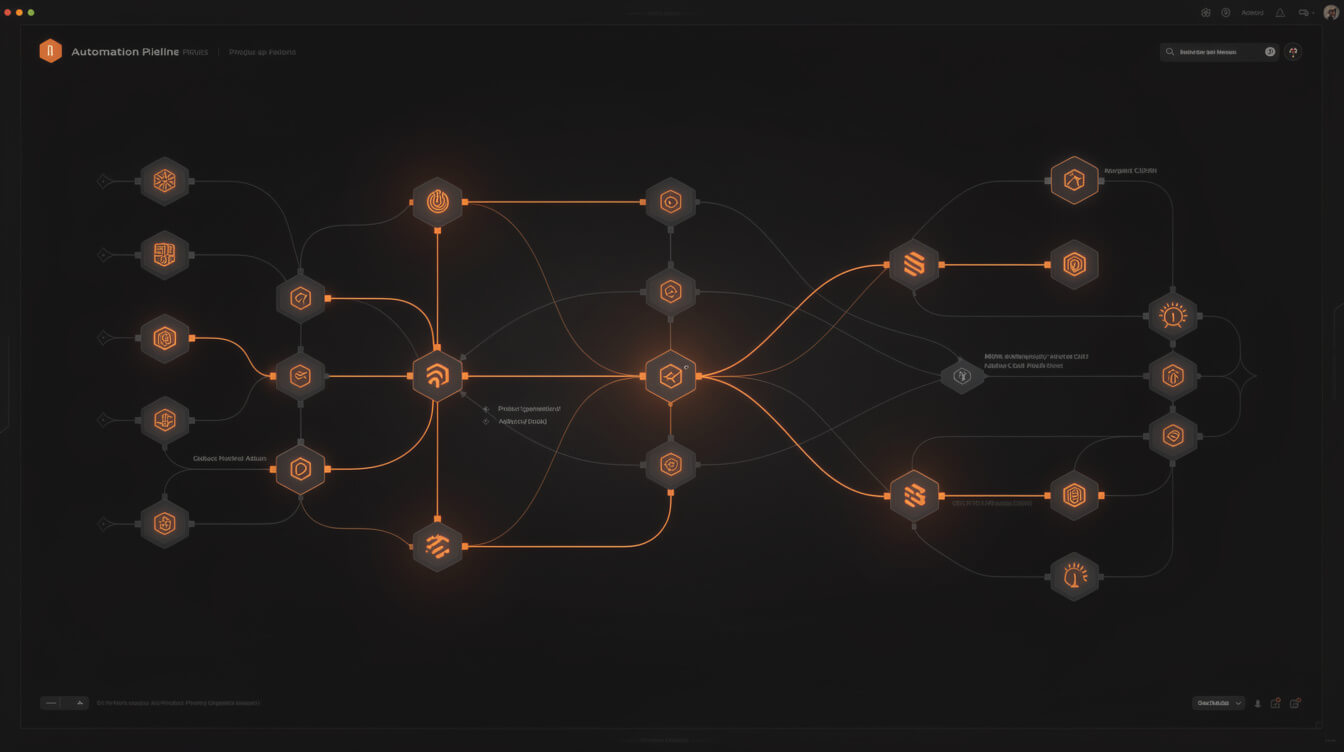
Adding a custom phone case to a POD store manually takes longer than most sellers expect the first time through. The standard workflow without automation looks like this:
- Log in to Printful and navigate to the phone case catalog
- Select case type and all model variants (iPhone 15, 15 Plus, 15 Pro, 15 Pro Max, 16…)
- Upload your design to each model variant individually
- Adjust placement in the mockup editor for each variant
- Write a product title for each variant
- Write a product description
- Set pricing for each model
- Push the product to WooCommerce via the Printful integration
- Log in to WooCommerce and update the category, SEO meta title, meta description, and product URL slug
Careful execution of that workflow runs 45 minutes to an hour per product line. Compressed, it produces errors: wrong design placement on specific case sizes, missing model variants, weak product titles that never index in search.
MEGA compresses that same workflow to under 7 minutes. You provide a niche direction or an existing design concept. MEGA generates the visual, pulls the correct Printful phone case catalog SKUs for your target models, creates mockups, writes SEO-optimized product titles and descriptions, applies your target margin to set pricing, and publishes directly to your WooCommerce store.
The phone case catalog illustrates why automation pays off at the variant level. Supporting all four iPhone 15 sizes (standard, Plus, Pro, Pro Max) means four product entries, four mockup renders, four title variants, and four price points to set. Manually, that variant work alone takes 30 minutes. Automated, it is one prompt and a review step.
For a store building out a full accessories catalog — phone cases, mugs, tote bags, custom patches — the manual variant overhead compounds across every product line. MEGA handles that overhead end-to-end so your time goes toward design direction and niche selection rather than clicking through Printful mockup editors. See the full breakdown at mega.management.
The WooCommerce-first model means no Shopify override fee on any of the units you sell. Every $0.28 that Shopify would collect on a $28 phone case stays in your margin. Across a full catalog at real volumes, that accumulation matters. Start with the provider model guide above, run your own unit cost math, and compare the platform fee against your current monthly Shopify invoice.
Implement AI. 30x your throughput. Get a 30-min call with the founder.
Drop your details and book a free 30-minute discovery call. Personalized advice on your POD stack, your margin, and where AI fits. No pitch, no fluff.