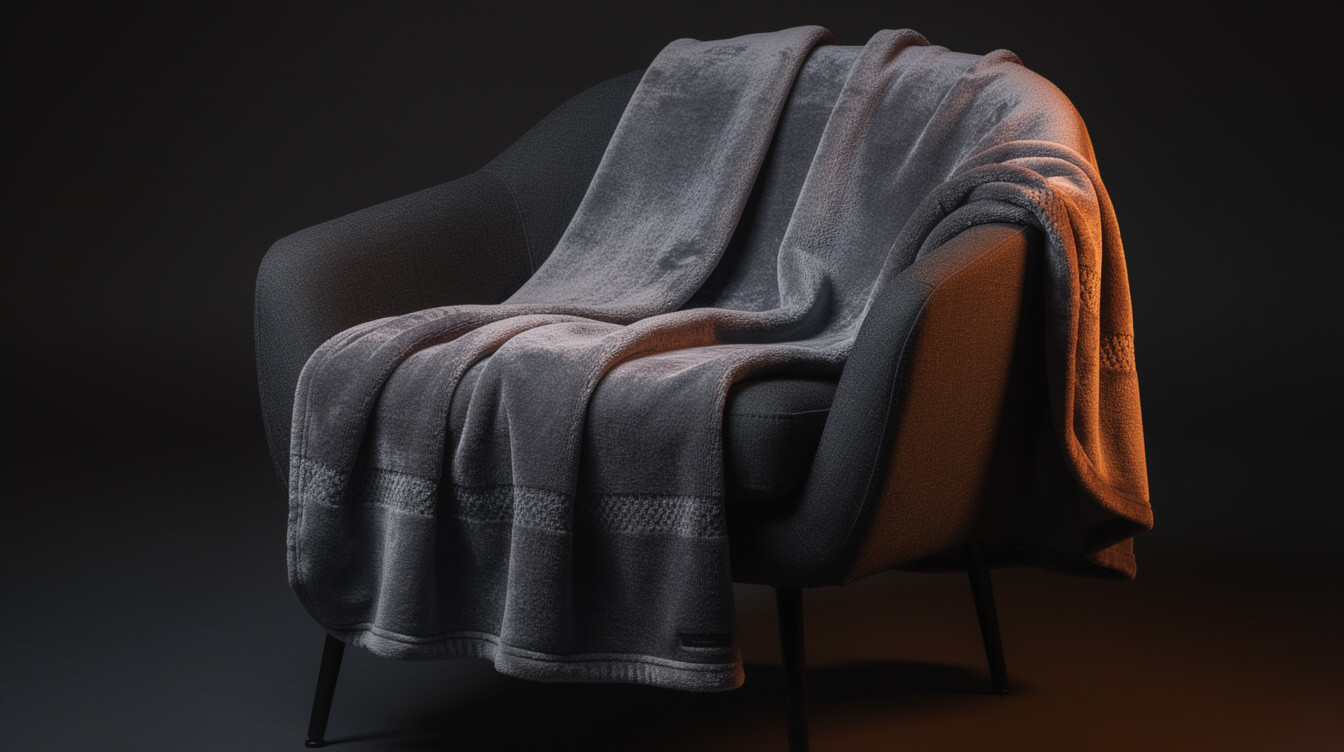
Custom blankets for POD stores: which providers offer print-on-demand blankets, the unit cost math, and the WooCommerce vs. Shopify calculation
Custom blanket listings are one of the few POD product categories where the entire top page of Google is occupied by consumer gift sites, with zero editorial for sellers. Walmart Photos, PrinterPix, and CanvasDiscount dominate the search results because they sell blankets to consumers who want to print a family photo. Nobody has written the seller-side story: can you build a repeatable custom blanket product line through print-on-demand, and does the unit economics actually work? This post answers both questions, with real numbers.
If you already sell apparel through Printful or Printify, adding a custom blanket SKU is lower risk than it sounds. Blankets land at a $45 to $65 average selling price on most platforms, which is two to three times the margin surface of a typical t-shirt. The fulfillment model is the same: you design, list, and promote. The provider prints and ships when someone orders. No inventory. No minimum order quantity.
Here is what this post covers: which providers actually support custom blanket production in 2026, how the two main print methods compare on quality and price, the unit cost math at 1, 10, and 50 units, and how the Shopify 1% transaction fee calculates at this price point versus running the same store on WooCommerce.
Why custom blankets are a high-ASP POD product worth adding to your store
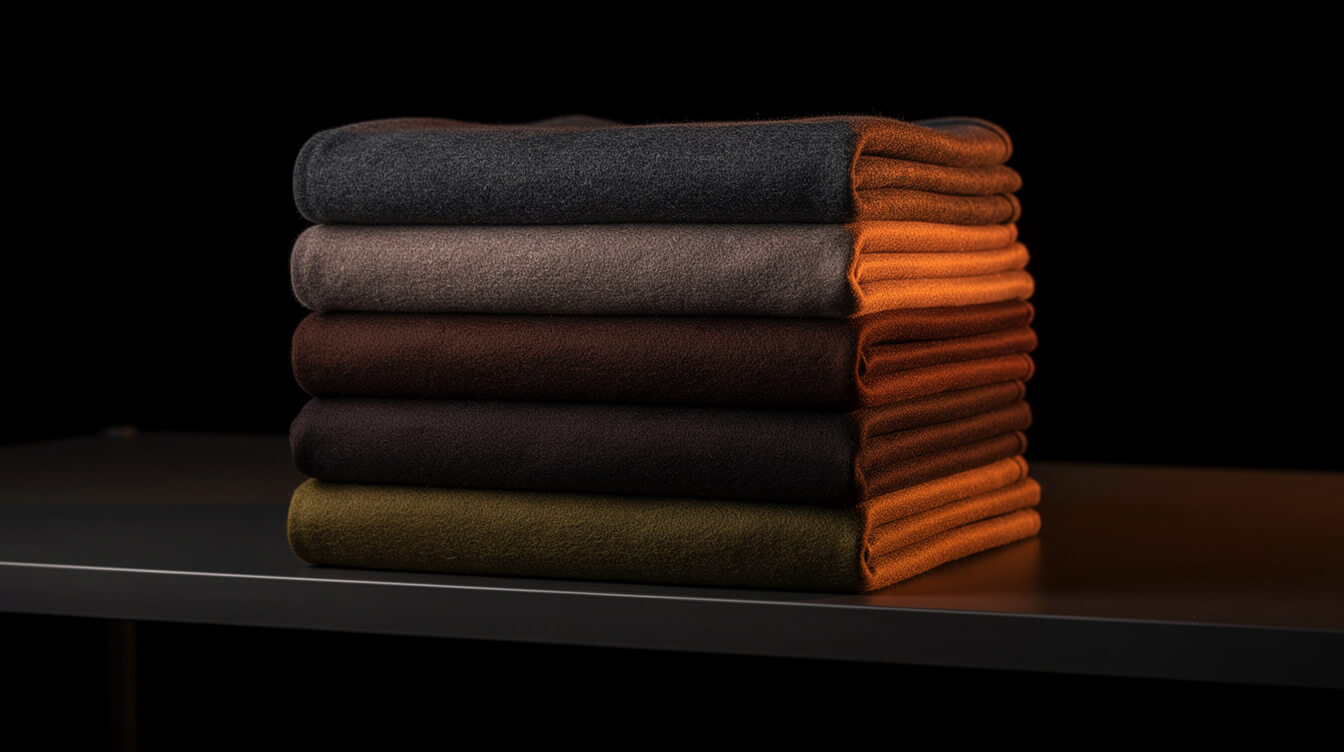
Average selling price drives margin more than volume for most POD stores. A custom t-shirt retails for $28 to $38 after printing costs, leaving a $10 to $15 margin before any marketing spend. A custom blanket at a $50 to $65 retail price generates $20 to $30 in margin on the same zero-inventory, no-warehouse model. That is why home decor and lifestyle products are increasingly attractive for sellers who want to grow revenue without adding skus at the low-price end.
Blankets also benefit from a clear demand pattern. The October through December window drives 40 to 50 percent of annual blanket sales for most small POD stores. That seasonality is predictable and plannable. A seller who adds a custom blanket line in August can be generating Q4 gift revenue before the apparel sellers have reworked their holiday designs. The lead time advantage is real.
The gifting angle further widens the buyer pool. Custom blankets convert well as gifts for anniversaries, baby showers, weddings, pet portraits, and memorial products. Those use cases bring buyers who are motivated by sentiment, not price. A motivated sentiment buyer does not comparison-shop the way a t-shirt buyer does. That shifts conversion dynamics in the seller’s favor.
Compare that to drinkware. As detailed in our custom mug printing breakdown, mugs generate strong volume but at $18 to $25 retail, the per-unit margin is modest. Blankets at double or triple the price per unit produce a meaningfully different P&L at scale, even with similar order counts.
Which POD providers offer custom blankets: Printful, Printify, and Gooten in 2026

All three major print-on-demand providers carry blankets in 2026, but the catalog depth and base cost vary enough to matter for pricing decisions.
Printful offers fleece blankets, sherpa blankets, and mink blankets. Their standard fleece blanket is 50 by 60 inches and uses all-over sublimation printing, which means the design runs edge to edge on the top face. Base cost on the fleece runs approximately $22 to $27 depending on the product variant and shipping zone. Sherpa blankets, which have a fluffy pile on the reverse side, run $30 to $36 at base cost. Printful’s fulfillment quality is consistent, and their WooCommerce plugin handles inventory sync and order routing with minimal setup.
Printify connects to a network of print providers rather than operating their own facilities. For blankets, the most relevant providers in their network are AOP+ and CG Pro Prints, both of which support full sublimation custom blankets. Base cost through Printify typically runs $18 to $23 for comparable fleece blankets, which is 15 to 20 percent lower than Printful’s base. The trade-off is that production timelines and quality can vary between Printify’s print partners, which matters if you are scaling to high volume and need consistency.
Gooten also carries blankets and is a viable third option for sellers who want catalog diversity or are already running Gooten integrations. As covered in our Gooten POD review, they offer 525 products including blankets, with WooCommerce integration and competitive base pricing. Gooten’s blanket catalog is smaller than Printful’s but covers the core fleece and sherpa variants.
One important note: all three providers operate on a no-minimum-order model. You can sell one blanket to one customer and the provider fulfills it. You never hold inventory. That is the foundational POD advantage, and it holds for blankets the same as it does for t-shirts or phone cases.
Print method breakdown: sublimation cut-and-sew vs. woven blankets
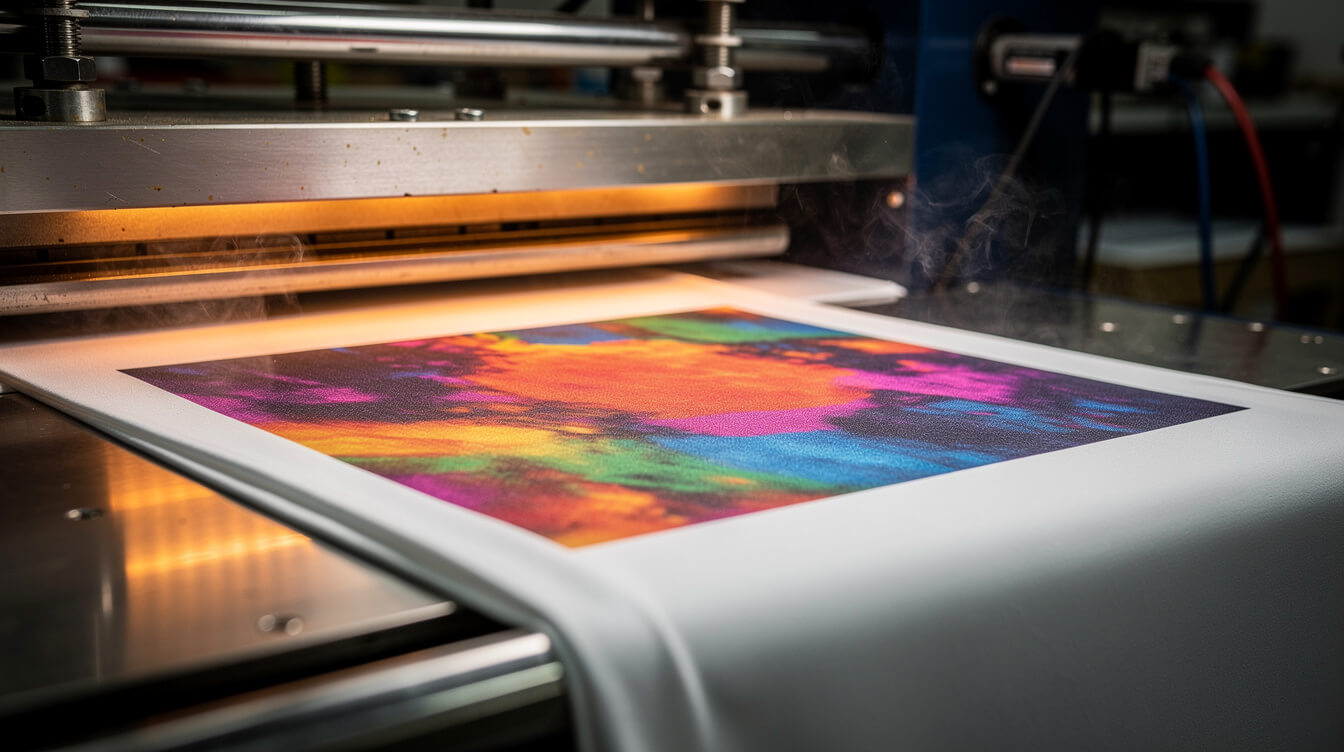
The print method determines the visual output, the fabric requirement, and the price range. Most POD sellers work exclusively with sublimation cut-and-sew blankets because they are supported by automated fulfillment pipelines. Woven blankets exist but require a fundamentally different production process and are generally not available through standard POD providers.
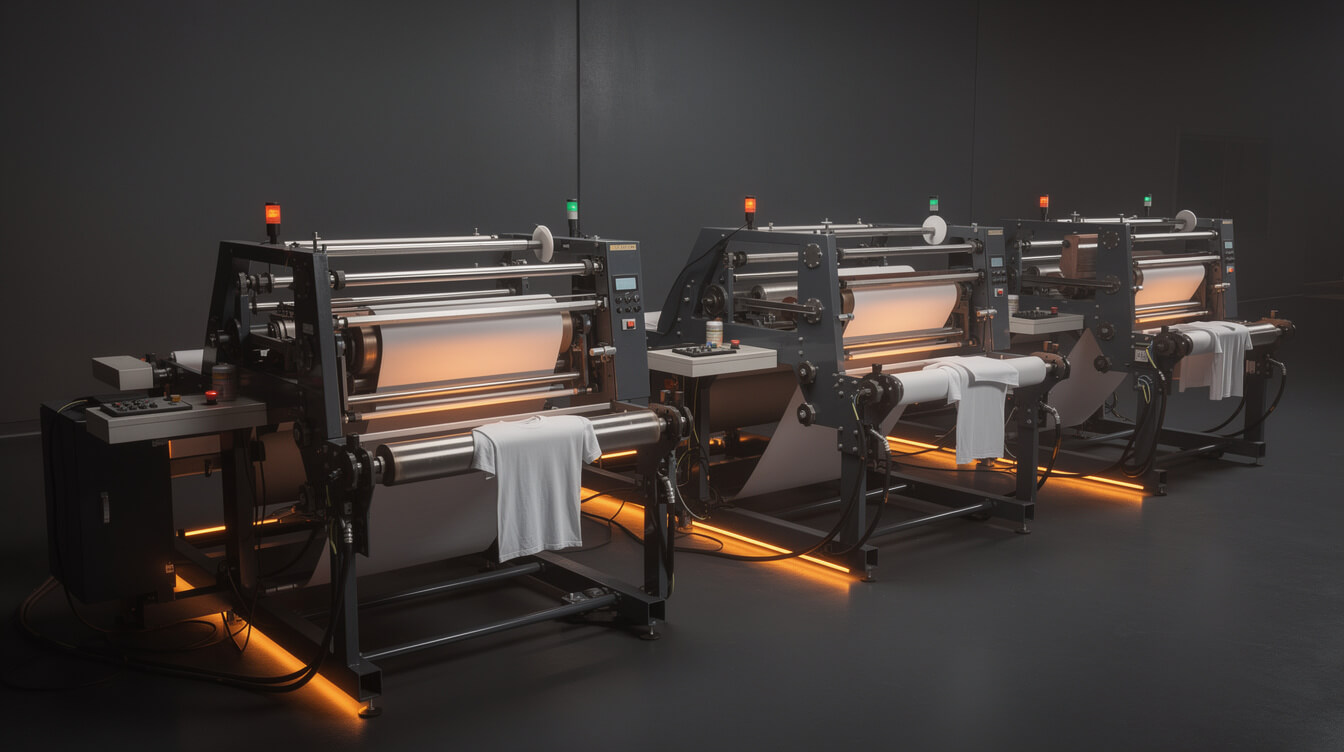
Sublimation cut-and-sew is the dominant method for custom POD blankets. The process uses heat to transfer dye directly into polyester fibers. Because the dye bonds with the fiber rather than sitting on top, the resulting print is permanently embedded, resistant to fading, and soft to the touch. The full-surface (all-over print) capability is what makes sublimation ideal for blankets: the design covers the entire product face rather than being confined to a chest area or panel.
The requirement to note: sublimation only works on polyester or polyester-blend fabrics. A 100 percent cotton blanket cannot be sublimation-printed. Printful’s and Printify’s POD blanket catalogs are built around polyester fleece and similar synthetic materials for exactly this reason. Buyers who want a cotton feel will find the fleece options different in texture, though most consumer reviews rate the warmth and visual quality positively.
Woven blankets use a weaving loom to integrate colored thread into a pattern during manufacturing. They produce a textured, tactile result with visible weave structure. The limitation is color fidelity: woven designs typically support six to eight colors, which constrains photographic and gradient-heavy designs. Production lead times for woven blankets are significantly longer than sublimation, and minimum order quantities from woven suppliers typically start at 50 to 100 units. That model is incompatible with standard print-on-demand, where the expectation is a one-unit minimum. Woven blankets are worth knowing about for sellers who are growing toward volume and want to explore direct sourcing, but they are not relevant for early-stage POD operations.
For the majority of POD sellers, sublimation cut-and-sew is the correct starting point. The visual quality at modern resolution is excellent. The production process is automated. And the no-minimum model means you can test a design with one sale before investing in promotion.
Unit cost math: what a custom blanket actually costs at 1, 10, and 50 units via POD

Smash print-on-demand. Join the engine room.
One short email a week. Real numbers, real teardowns, the unfiltered economics behind every move.

Here is the unit economics for custom blankets through print-on-demand at three volume points. All figures use a 50 by 60 inch fleece blanket (the most common size across Printful and Printify).
At 1 unit (single order):
- Printful base cost: ~$24.95
- Printify (AOP+ provider): ~$20.00 to $22.00
- Shipping to US address: $5 to $8
- Total fulfillment cost: $28 to $33
- Retail price at 40% margin target: $47 to $55
- Gross margin per unit: $14 to $22
At 10 units (ten separate customer orders, same design):
POD pricing does not change with volume in the traditional sense. Each order is fulfilled individually at the same base cost. The 10-unit scenario reflects ten customer orders, not a batch production run. Your cost per unit remains $24 to $27, and your cumulative margin is ten times the single-unit margin. Volume in POD builds cumulative revenue without volume discounts on the production side.
At 50 units (bulk comparison — wholesale, not POD):
If you sourced 50 custom fleece blankets from an overseas supplier (the path outside POD), you might pay $8 to $12 per unit at minimum order. But that requires upfront capital, 30 to 60 day lead time, quality inspection, warehousing, and individual fulfillment management. The per-unit cost is lower, but the total capital at risk for 50 blankets at $10 each is $500 before shipping and storage. POD at 50 customer orders costs you nothing upfront and generates revenue before the product is ever produced.
The break-even analysis for bulk vs. POD on blankets strongly favors POD until you are selling hundreds of identical units per month. That threshold is not where most POD sellers start. Starting in POD, proving the design, and then optionally moving toward wholesale on proven SKUs is the economics-first approach. For a detailed look at that same logic applied to accessories, see our custom tote bags bulk vs POD break-even breakdown.
MEGA automates the product creation side of this pipeline, which means the time cost of researching which blanket size and provider to use, generating a design brief, creating mockups, and writing the listing is compressed from a two to three hour manual process down to under seven minutes. That time compression is what makes testing multiple blanket designs economically viable for a solo operator. You can run MEGA across five different blanket niches in a single afternoon and have five live listings by evening, where manually you would have produced one.
Build your blanket product line 30x faster with MEGA
MEGA is the research-to-product pipeline for POD sellers. Pick a niche, run the engine, and have a fully listed custom blanket product on your WooCommerce store in under 7 minutes. No Canva. No manual mockup uploads. No two-hour listing sessions.
The Shopify 1% override vs. WooCommerce at a $55 average selling price

Blankets have a higher average selling price than most POD apparel, which makes the Shopify fee structure more visible in your P&L. The Shopify plan at the standard tier charges a 1% transaction fee on every sale processed through a non-Shopify payment gateway. Even using Shopify Payments does not fully eliminate the exposure because Shopify Payments carries its own processing rates, and there are additional app fees that Shopify stores reliably accumulate.
Here is what the 1% override fee costs a blanket seller at different monthly revenue levels:
- $3,000/month in blanket revenue (55 orders at $55 ASP): $30/month in Shopify transaction fees alone.
- $6,000/month (109 orders): $60/month in fees. That is $720/year in fees on a $72,000/year blanket business.
- $12,000/month (218 orders): $120/month. The fee on a single month covers the cost of a Printful blanket base order.
The fee is not catastrophic in isolation. What compounds it is that Shopify’s fee structure applies simultaneously to every product category. A seller running blankets, t-shirts, phone cases, and mugs on the same Shopify store is paying the 1% override across the entire revenue base, not just one product line. The cumulative drag across a diversified POD store becomes meaningful at $10,000 or more in monthly revenue.
WooCommerce charges zero platform transaction fees. You pay the payment processor directly (Stripe or PayPal at their standard rates, identical to what Shopify Payments charges). The difference is that WooCommerce does not take a cut on top. At $55 ASP on 100 blanket orders per month, that is $55 per month that stays with the seller. At scale, it is a meaningful difference.
The WooCommerce infrastructure cost is real: you need hosting (roughly $20 to $40 per month for a properly hosted WooCommerce store) and potentially some paid plugins. But those costs cap out at a predictable ceiling, whereas Shopify’s percentage fee scales with your revenue. The seller who grows fastest pays the most. That is the structure worth understanding before committing to a platform for a high-ASP category like custom blankets.
For a detailed side-by-side analysis of what the Shopify fee structure costs across common POD products, see our breakdown in print on demand products: which categories have the best margins.
How MEGA automates custom blanket listings: from niche research to live product in under 7 minutes

The manual workflow for adding a custom blanket to a POD store looks like this: research which niches have underserved demand, pick a provider and product variant, design the artwork in Canva or commission it, generate mockups, write a product title and description, set up pricing, configure Printful or Printify settings, and publish. If you do this carefully, it takes two to three hours per product. At that rate, testing ten blanket niches takes 20 to 30 hours, which most solo operators cannot realistically sustain alongside running a store.
MEGA compresses that pipeline to under seven minutes. The engine handles the research-to-product sequence end-to-end: it identifies the niche opportunity, generates the design brief, creates the artwork via AI image generation, applies it to the product template, writes the listing copy with SEO keywords, and pushes the product live to WooCommerce with Printful or Printify fulfillment configured. You review the output. You do not build it.
For custom blankets specifically, that throughput means a seller can test five or six niche angles (pet portraits, wedding gifts, sports team blankets, holiday family photo designs, memorial products) in a single afternoon. The designs that get traction stay. The ones that do not get quietly removed. The whole iteration cycle happens without the Canva-and-manual-upload grind that most POD education content normalizes as “just part of the process.”
The distinction between MEGA and the Shopify-plus-meta-ads approach taken by much of the POD education market is not about which is better in some abstract sense. It is about different economics. Meta ad spend to acquire blanket buyers at a 2 to 3 times return on ad spend is viable but capital-intensive. MEGA’s research-first approach finds the organic demand that already exists and builds listings to capture it. The math is different, and the upfront capital requirement is lower.
That is also why MEGA runs on WooCommerce rather than Shopify. An owned store with no platform override fee is the right infrastructure for a research-driven, high-volume listing approach. The economics of a 30x throughput increase compound better when the platform is not extracting 1% of every sale.
Frequently asked questions about custom blankets and POD
Can I sell photo blankets through Printful?
Yes. Printful supports all-over sublimation printing on their fleece and sherpa blankets, which means a customer’s uploaded photo can cover the full product face. You set up the product once with a customization option, and Printful handles the print-to-order fulfillment each time a customer submits a photo.
What is the minimum order for a custom blanket through POD?
One unit. All major POD providers (Printful, Printify, Gooten) fulfill individual orders with no minimum. A customer ordering a single blanket costs the same per unit as a customer ordering ten, with no upfront inventory requirement on the seller’s side.
Does sublimation work on all blanket materials?
No. Sublimation requires polyester or high-polyester-content fabric. Cotton blankets cannot be sublimation-printed. The POD blanket catalogs from Printful and Printify are built around polyester fleece because of this requirement.
Which is better for blankets: Printful or Printify?
Printful costs slightly more per unit ($22 to $27 base) but offers consistent quality across their own production facilities. Printify connects to a network of third-party providers at lower base cost ($18 to $22) but with more variability in quality and lead time. If you are starting out, testing both with a small design set and evaluating the output is the practical approach before committing to one provider’s integration.
How does the Shopify 1% transaction fee affect blanket margins?
At a $55 average selling price on the Shopify plan, you pay $0.55 per sale in transaction fees. At 100 blanket sales per month, that is $55/month or $660/year paid directly to Shopify on top of all other fees. WooCommerce charges no equivalent fee. The gap is small per transaction and significant at volume.
For sellers who are also running jackets or other high-ASP POD items, the same fee logic applies. Our custom jackets for POD sellers breakdown covers the unit cost math and platform fee impact for another high-margin product category worth comparing.
Final thoughts on adding custom blankets to your POD store
Custom blankets work as a POD product for three reasons: the average selling price is high relative to most apparel, the demand is predictable and seasonally concentrated in a way that benefits planners, and the consumer motivation (gifting, sentimentality, home decor) is less price-sensitive than commodity apparel buyers.
The unit economics support it. At $22 to $27 in base cost and $50 to $65 in retail price, the margin per blanket is substantially better than a t-shirt at the same volume. The WooCommerce fee structure supports it further: running a blanket product line on an owned WooCommerce store rather than a Shopify store keeps the 1% override fee out of your cost structure from day one.
The only thing the manual workflow does not support is testing at speed. Designing, listing, and iterating on multiple blanket niches through a Canva-and-manual-upload process is a time constraint that caps how many designs you can test. That is the problem MEGA solves. The throughput difference between a fully automated pipeline and a manual one is measured in products per hour, not products per week.
If you want to add a custom blanket line to your store and understand which niche will actually sell, the research-first approach is the right starting point. The providers are ready. The margin is there. The question is whether you want to spend two hours per listing or seven minutes.