Custom car magnets for POD sellers: which providers support them, unit cost math, and the niche verticals that actually work
Custom car magnets pull 8,100 searches per month, nearly all from real estate agents, restaurant owners, and local service businesses who want their brand on wheels. Type the keyword into Google and every result is a commercial print vendor selling direct to buyers. Not a single editorial piece exists for print-on-demand sellers who want to carry custom magnets in their own stores. This post fixes that gap.
What follows covers whether Printful and Printify actually carry car magnets, what POD-adjacent alternatives exist for fulfillment without holding inventory, the unit cost math at 1, 5, and 25 magnets, and the five niche verticals where magnets consistently sell. Plus, the Shopify 1% override fee problem at an $8-15 average order value, and a practical WooCommerce setup walkthrough.
What custom car magnets actually are (and why POD sellers keep asking)
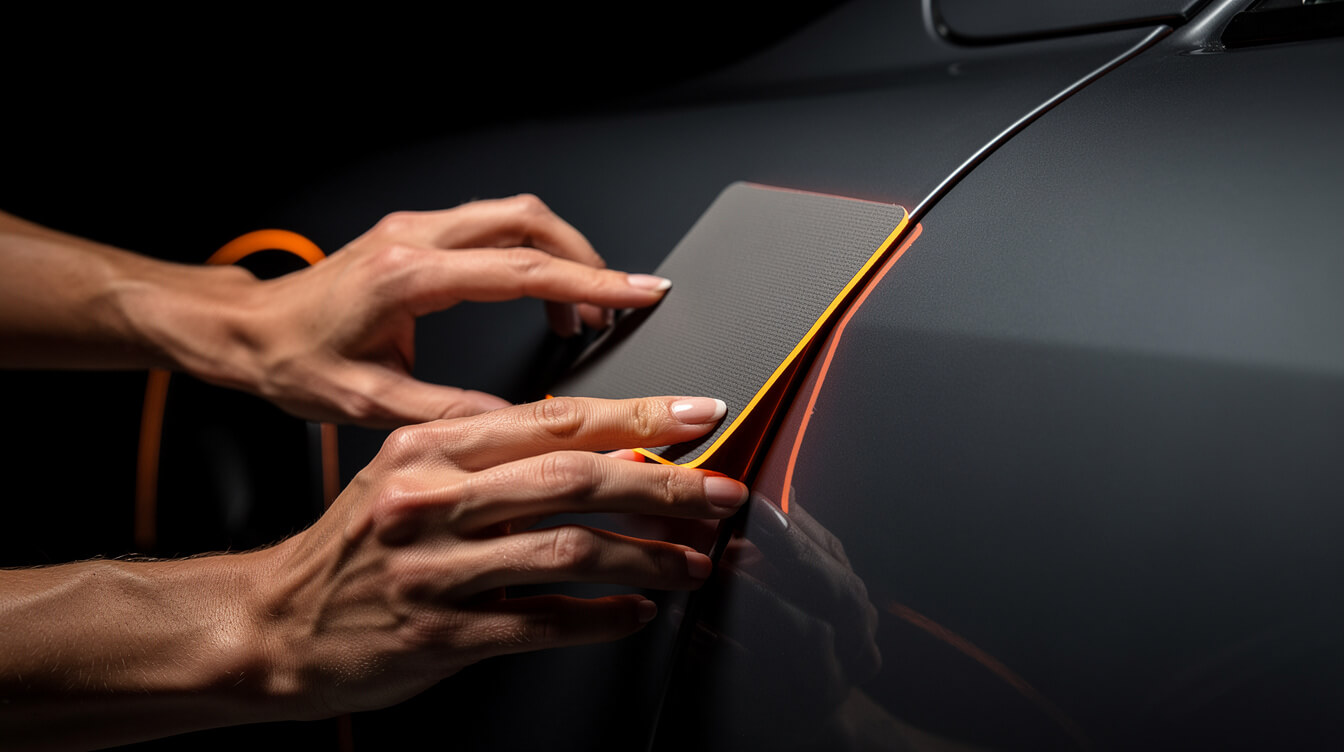
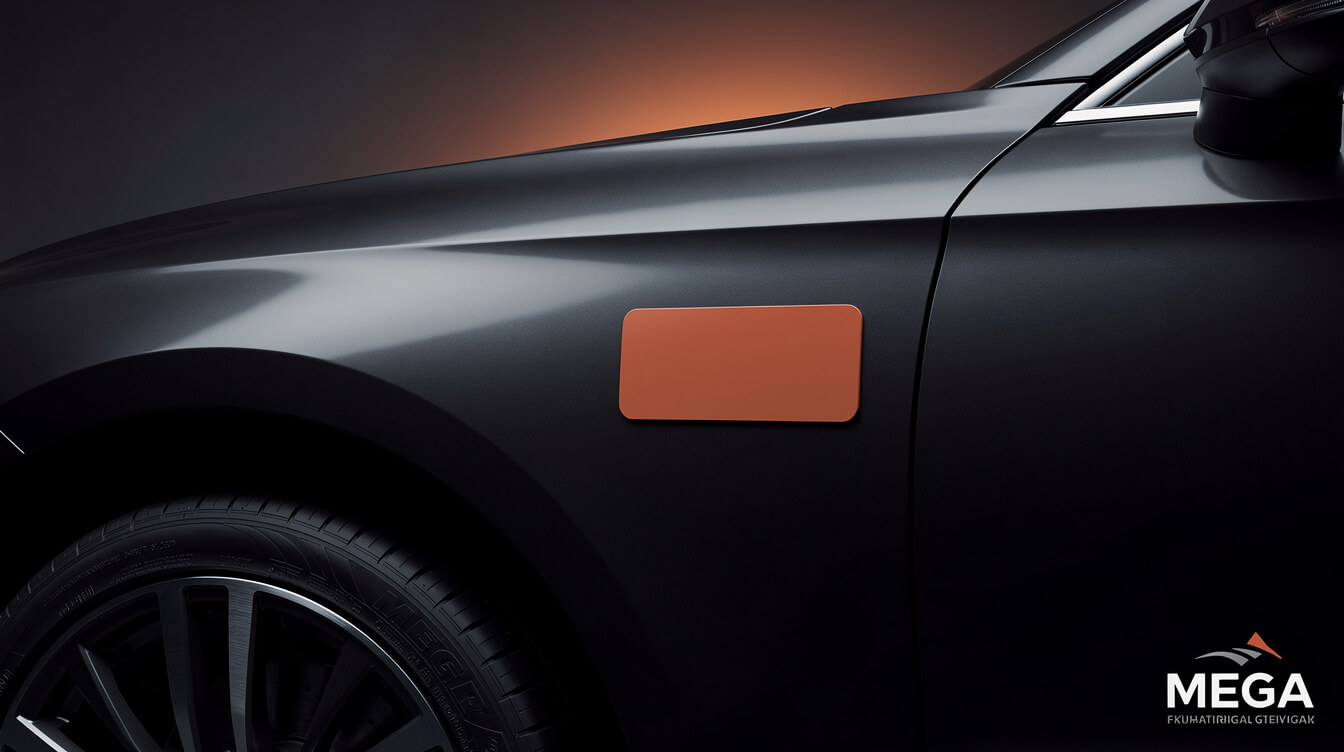
Custom car magnets are flexible magnetic sheets with full-color printed designs on the face. They stick to any ferrous (steel or iron) surface through magnetic attraction, and they peel off cleanly without adhesive residue. That removability is the core selling proposition: a real estate agent can put a branded magnet on their car door Monday morning and take it off for the weekend without leaving a mark on the paint.
The substrate is a ferrite-powder polymer composite, not a rigid hard magnet. This flexibility lets manufacturers roll and cut it into any shape, from the standard 6×12 inch rectangle that most business buyers use, to round 5-inch novelty magnets for the baby-announcement niche, to large 18×24 inch panels for tradespeople who want serious road coverage.
The print method is UV inkjet directly onto the magnetic face. This is not sublimation. Sublimation bonds dye into polyester fibers at 375-400 degrees Fahrenheit. Magnetic sheet is a polymer composite with no polyester fiber structure to bond into. UV inkjet applies ink to the surface and cures it with ultraviolet light, producing full-color, photo-quality print that is weather-resistant under normal driving conditions.
Safe driving speeds for standard 20-mil magnets top out at 60-70 mph. Premium 30-mil magnets rated for highway use stay on at 75-80 mph. Most consumer-grade custom magnets are 20-mil and fine for urban and suburban driving. For buyers in real estate and delivery, naming the thickness specification in your product description removes a common pre-sale question.
One distinction worth naming in your product copy: custom car magnets are not vinyl decals. A vinyl decal bonds to paint with an adhesive and does not come off cleanly. A magnet does not use adhesive at all. Buyers who want permanent branding buy a decal. Buyers who want branding they can swap between vehicles or remove on personal days buy a magnet. These are different products serving different buyer intents, and naming the difference in your store copy converts better than leaving it ambiguous.
Does Printful carry car magnets? Does Printify? The honest answer
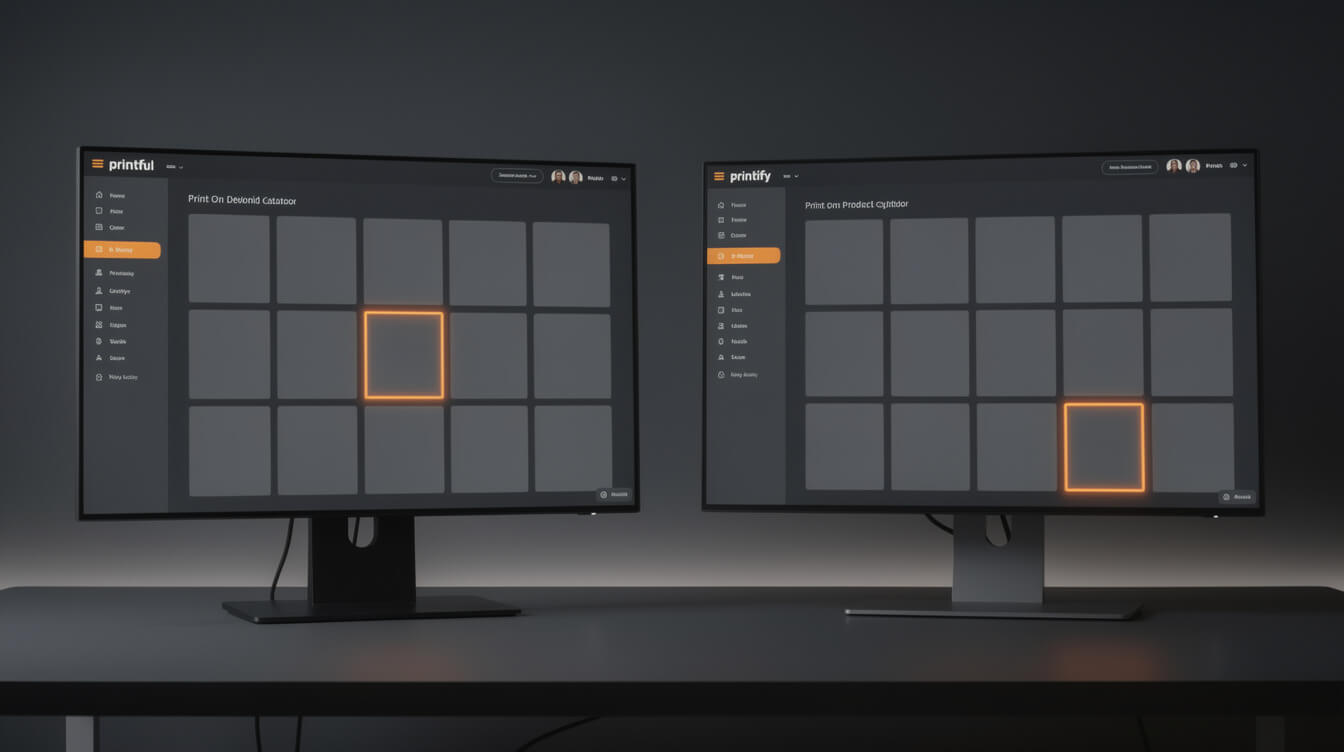
Printful does not carry car magnets. As of mid-2026, Printful’s catalog covers apparel, home decor, accessories, and wall art formats. Flexible magnetic sheet printing is not in it. Printful’s model requires in-house production at their own facilities, and UV inkjet magnetic production is not part of their infrastructure. This may change, but at the time of writing, Printful is not a viable fulfillment option for custom car magnets.
Printify’s situation is different. Printify operates as a network of third-party print providers, and individual vendors in that network can carry products that Printful does not. Some Printify network vendors do list magnetic products, including refrigerator magnets and, in some cases, car magnets. The keyword is “some.” Vendor catalog availability changes without notice, and the only way to verify current status is to search “magnet” in the Printify product creator tool directly. What you find today may not be available in six months.
SPOD and Gooten do not carry car magnets in their standard product offerings. Gelato’s catalog is focused on paper, canvas, and apparel, with no magnetic sheet products.
The implication for POD sellers: custom car magnets sit in the POD-adjacent category, similar to how custom enamel pins work. You can sell them from your owned WooCommerce store, but fulfillment requires a different workflow than a standard Printful or Printify order. The next section covers the practical options.
One operational note worth planning for: if you route through a vendor with a 3-5 business day production time plus standard shipping, total delivery is 8-12 days. Printful’s 2-5 day turnaround on standard apparel sets buyer expectations. Production time for magnets needs to be visible in your store before the order is placed, not surfaced for the first time in a shipping confirmation email.
POD-adjacent options: how to dropship custom magnets without holding inventory
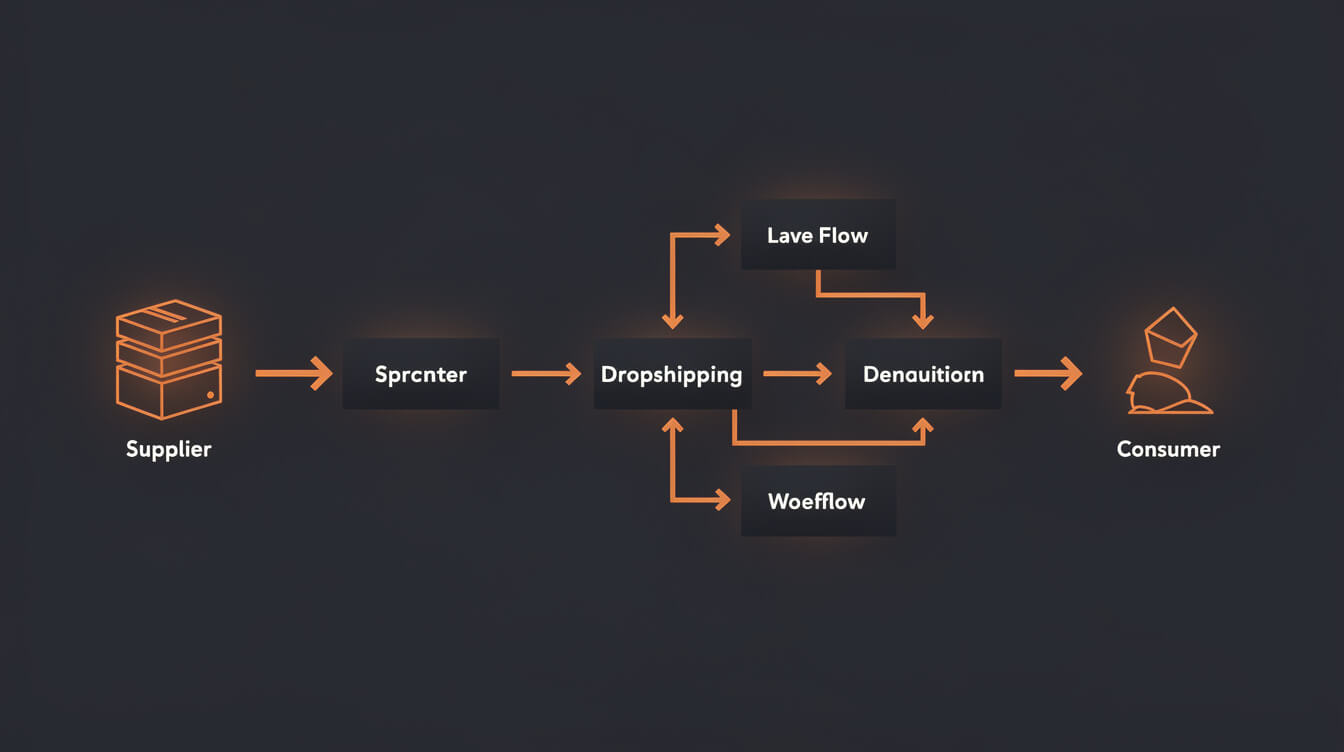
Three routes exist for selling custom car magnets without holding inventory yourself: the Printify vendor network (when a compatible vendor is active in your region), StickerMule’s manual batch fulfillment workflow, and Zazzle as a supplementary marketplace channel. A fourth option, manufacturer-direct at 25-plus unit minimums, requires a small inventory investment but delivers the lowest unit cost and the best margin.
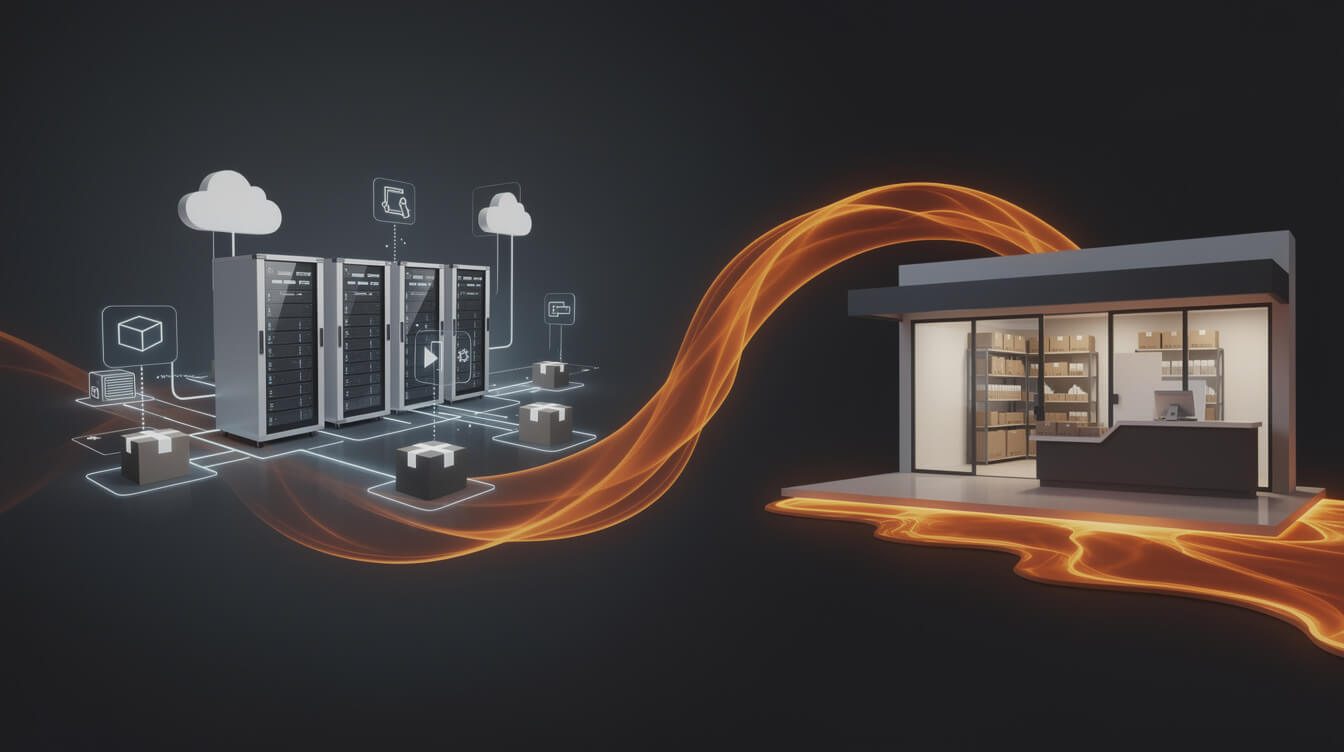
Route 1: Printify vendor network. Search for “magnet” or “car magnet” in the Printify product creator. If a vendor carries them in your region, you can connect the product to your WooCommerce store via the Printify plugin the same way you would a t-shirt or mug. The vendor handles production and per-order fulfillment. This is the closest thing to true no-MOQ car magnet POD, but vendor availability is uncertain and can disappear without notice.
Route 2: StickerMule batch fulfillment. StickerMule offers custom magnets starting at 10 units, at roughly $2.00-2.50 per unit at that quantity. StickerMule does not connect directly to WooCommerce as a real-time fulfillment provider the way Printful does. The practical workflow: accumulate orders in your WooCommerce store, then submit a batch order to StickerMule with individual customer shipping addresses. This adds a manual fulfillment step but keeps your inventory at zero. For sellers at 10-30 orders per week, this is manageable.
Route 3: Zazzle marketplace. Zazzle’s marketplace handles fulfillment for car magnets and other specialty products. Designers upload art and earn royalties when products sell. The limitation: Zazzle customers are Zazzle’s customers. You do not collect their email, you do not control the post-purchase experience, and you cannot remarket to them. Zazzle works as a discovery channel for new designs, not as the foundation of an owned store strategy.
Route 4: Manufacturer-direct at 25-plus units. US-based magnet printers and overseas manufacturers (with MOQ 25-50 units) bring the cost down to $0.75-2.00 per unit. You hold a small inventory, fulfill manually or via a 3PL. The tradeoff: upfront capital and unsold inventory risk for designs that do not sell. For designs with proven demand (a real estate agent niche, a local business vertical), this route makes the unit economics substantially better than any no-MOQ option.
Unit cost math: 1 vs 5 vs 25 magnets and what that means for retail pricing

Smash print-on-demand. Join the engine room.
One short email a week. Real numbers, real teardowns, the unfiltered economics behind every move.
The unit cost for a standard 6×12 inch custom car magnet varies significantly by fulfillment route and quantity. Here is the math across the three most common scenarios for a POD seller.
Single unit via Printify vendor (when available): Base cost approximately $3.50-5.50, domestic shipping $4-5 = $7.50-10.50 landed per order. At $12 retail: 12-40% gross margin. At $15 retail: 30-43% gross margin. Thin by POD standards, but the product category has high search intent and low design complexity, which reduces customer acquisition cost when SEO drives your traffic.
StickerMule at 10 units, batch-shipped: 10 magnets at $2.20 each = $22 production cost, plus $8-10 shipping to your address, plus $4-5 outbound per order. All-in per order: $7.00-8.20. At $12 retail: 32-42% gross margin. At $15 retail: 46-53% gross margin. Better economics than single-unit Printify, but requires manual batching and fulfillment logistics on your end.
Manufacturer-direct at 25 units: Unit cost $1.00-1.75 (domestic printer at 25-unit run) plus $4-5 outbound shipping per order = $5.00-6.75 landed. At $12 retail: 44-58% gross margin. At $15 retail: 55-64% gross margin. This is standard POD-adjacent margin territory, comparable to a canvas print or a premium mug. The tradeoff: $25-44 upfront inventory investment per design, plus unsold inventory risk.
Bundle strategy. A 3-magnet bundle priced at $28-32 retail shifts the per-order economics in your favor without changing your unit cost. Three magnets at $10 landed total, sold at $28-32, generates $18-22 gross per transaction (39-59% gross margin). For real estate agents who want extras for multiple vehicles, or local businesses equipping a small fleet, a bundle is a natural offer. It doubles or triples gross dollar margin per transaction while keeping the per-unit price reasonable for the buyer.
The floor scenario to plan for is the single magnet at $8-10 retail. At that price point, the Shopify 1% override fee takes a disproportionately large share of your gross margin. The next section explains that math in detail.
For other POD products where the unit cost math follows a similar stacking pattern, the custom sticker sheet post covers the low-AOV economics in detail, including how bundle pricing resolves the thin-margin problem at small average order values.

Research to live listing in under 7 minutes
MEGA identifies uncontested product categories, pulls competitor SERP data, and generates ready-to-list products end-to-end. The research that took this post three rounds of competitor analysis runs automatically in your pipeline.
The 5 niche verticals where custom magnets consistently sell
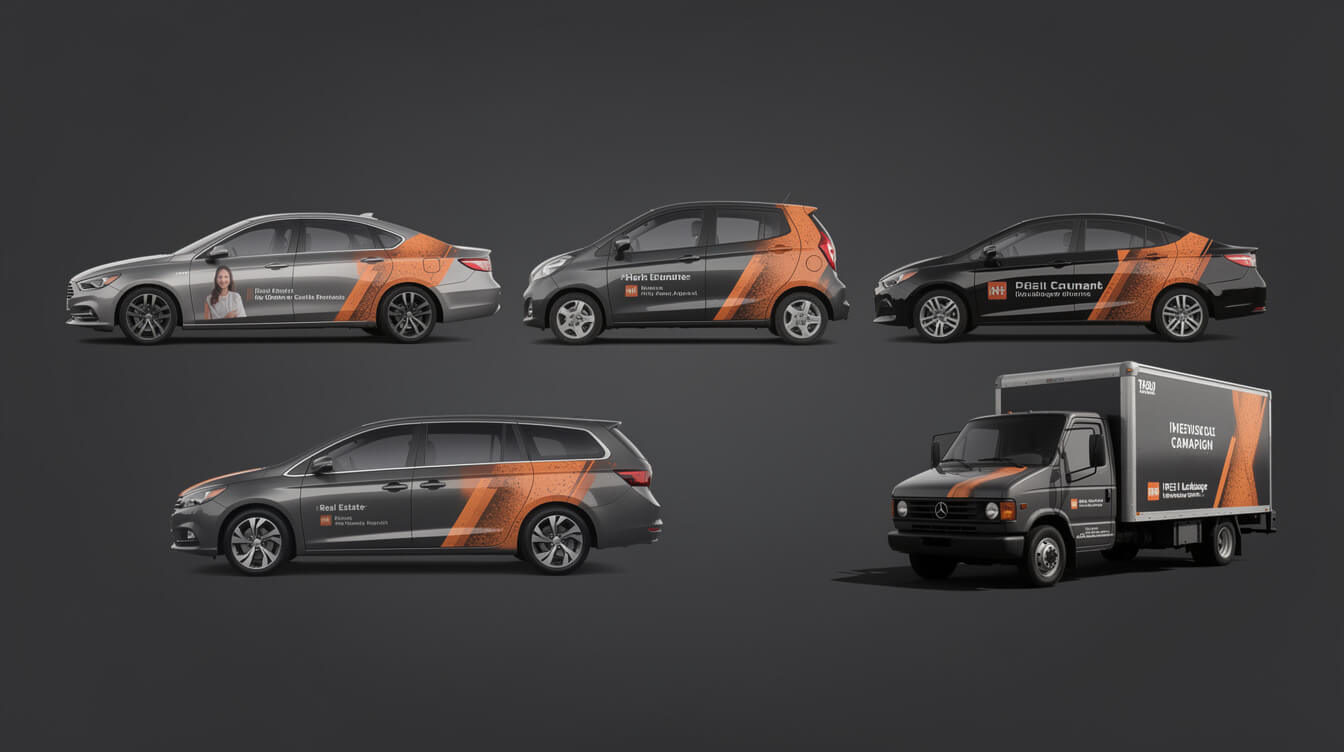
The SERP for “custom car magnet” is dominated by commercial print vendors, and their category page structures reveal who is actually buying. MagnetsOnTheCheap, StickyLife, and VistaPrint all organize their magnet sections by buyer segment. Those segments are your niche roadmap.
1. Real estate agents. This is the largest and most consistent buyer segment for car magnets. Real estate agents want their name, phone number, and brokerage on their vehicle while driving to showings, and they want to remove the magnet for personal use on weekends. A single magnet sale here is also a repeat-purchase opportunity: new listing season, new agent joining the brokerage, an additional vehicle for a team member. Real estate magnets are a B2B-adjacent niche where one agency contact can generate multiple repeat orders over time.
2. Local restaurants and food delivery. Restaurants that run their own delivery branding and delivery platform drivers who want third-party branding magnets both fall in this segment. The restaurant niche skews toward 12×24 inch large panel magnets for maximum road visibility. Design complexity is low: logo, phone number, delivery area. This buyer type often orders in small batches rather than one at a time, making the per-unit economics better even at a modest minimum order quantity route.
3. Political campaigns. Local and regional campaigns (city council, school board, state legislature) buy car magnets in the 90-day window before an election. Volume per campaign is modest, typically 10-50 units, which makes the 10-25 unit minimum order routes a natural fit. One campaign becomes a repeat customer on a two-year election cycle for re-election runs.
4. Personalized baby announcements. The novelty gift segment has consistent year-round demand. Round 5-inch magnets with a baby’s name and birthdate, pregnancy milestone magnets, and new grandparent novelty formats all sell in this niche. The buyer is typically in the gift economy: a grandparent, an aunt or uncle, a baby shower organizer. A single order is usually one to three units, so retail price matters more than volume. At $12-15 for a novelty gift magnet, the purchase is well within impulse-buy range.
5. Local tradespeople and service businesses. Plumbers, electricians, landscapers, and contractors who do not want a permanent vehicle wrap but want branded identification on their work trucks make up a steady B2B-adjacent segment. These buyers often want two magnets (one for each side of the truck), so the default unit sale is two, not one. Average order value doubles naturally. This segment also values the removability: they can take the magnets off on personal days without removing a vehicle wrap.
The Shopify 1% problem at $8-15 AOV: why car magnet stores lose more on Shopify
Shopify charges a 1% platform override fee on top of payment processing fees and your monthly plan cost. This fee scales with revenue, not with margin. For a product with an $8-15 average order value and thin gross margins, the override takes a disproportionate share of what you actually keep.
The math at $10 AOV and 200 orders per month: that is $2,000 in monthly revenue. Shopify’s 1% override takes $20 per month, or $240 per year, as a pure platform tax. Your Shopify plan at Basic ($29/month) brings the monthly platform cost to $49 before any apps. WooCommerce hosting runs $10-20/month regardless of revenue, with zero platform override. On $24,000 annual revenue, the platform cost difference is $600-900 per year in favor of WooCommerce.
The override compounds with thin margins. At $10 retail with $7 landed cost, your gross margin is $3 per order. Shopify’s override takes $0.10 of that $3, which is 3.3% of gross profit, not 1% of revenue. Shopify payment processing (2.9% plus $0.30 per transaction) adds another $0.59 on a $10 order. Net margin per order before overhead: $3.00 minus $0.10 (override) minus $0.59 (processing) = $2.31. On $24,000 annual revenue, that is $2,772 in platform fees on a product category with narrow margins already.
WooCommerce removes the override. Payment processing at the same Stripe rate (2.9% plus $0.30) stays identical. But the $0.10 per order override disappears, and the plan cost drops to hosting. On 200 orders per month at $10 AOV, WooCommerce saves $240 per year in overrides plus roughly $348-708 per year in plan cost savings, depending on which Shopify plan you would otherwise run.
The WooCommerce vs Shopify fee breakdown for POD sellers shows this comparison at $5k, $10k, and $20k monthly revenue, including a line-by-line overhead table. For any product category with an AOV below $20, running on WooCommerce is not just a preference, it is an economics decision with real annual dollar impact.
Setting up WooCommerce for custom magnet dropshipping
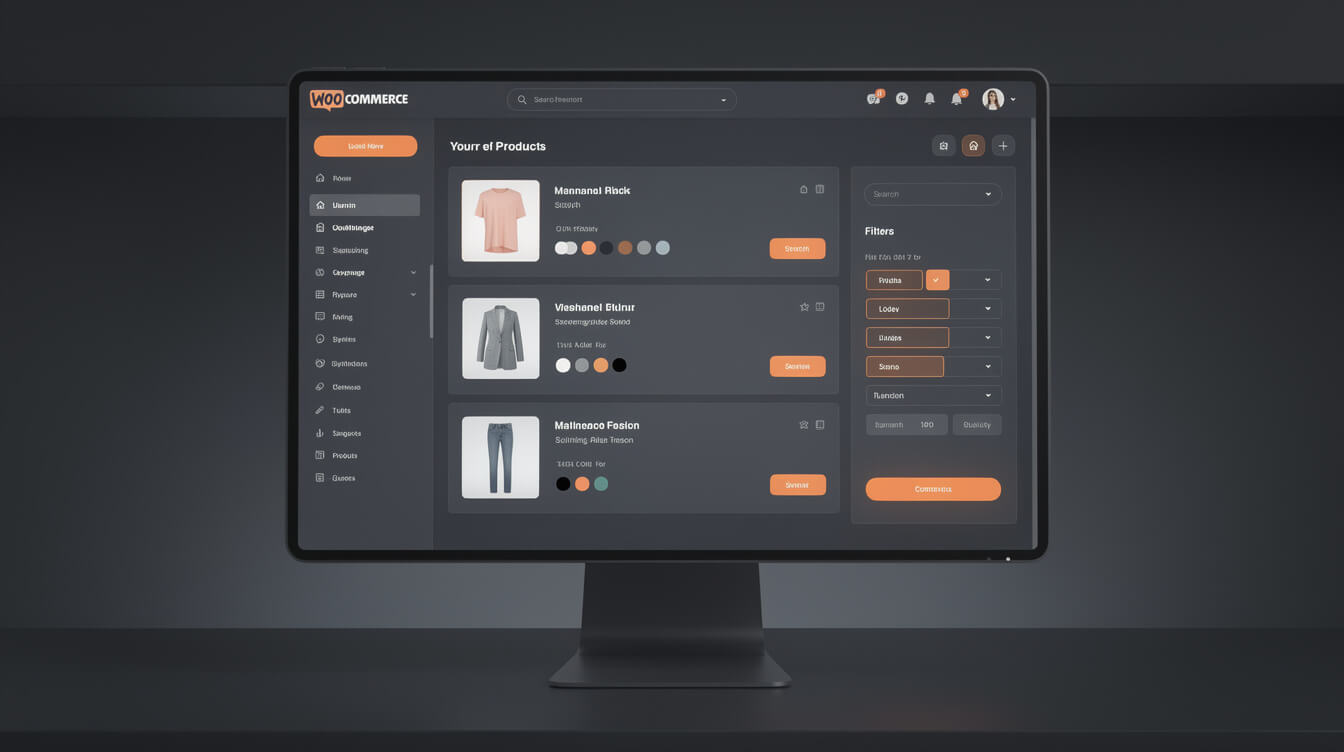
WooCommerce handles the product complexity for custom car magnets without requiring paid apps for the most common customization needs. Here is a practical setup walkthrough.
Product type. Use a variable product. Variants should cover: size (6×12, 12×12, 12×24 are the three most commercially relevant), magnet thickness (20-mil standard, 30-mil premium), and optionally shape (rectangle, oval, round). Each size and thickness combination carries a different base cost and should have its own retail price. Do not flatten all sizes into a single product at one price and then explain sizing in the description.
Personalization fields. WooCommerce supports custom text fields natively via the Product Add-Ons extension (free and paid versions exist). A basic text field for “custom design notes” or “business name and phone number” adds zero ongoing cost. For file upload (buyers submitting their own artwork files), the WooCommerce Product Add-Ons plugin handles this at a one-time cost rather than a monthly app subscription. On Shopify, the equivalent requires a $19-49 per month third-party app. That app cost alone covers a WooCommerce hosting plan.
Shipping configuration. Standard 20-mil magnets in the 6×12 inch size weigh approximately 3-4 oz and ship via USPS First Class Mail domestically. A 12×24 inch magnet weighs approximately 8-10 oz and still qualifies for First Class if the packaging stays under 13 oz. Configure flat-rate shipping zones by product weight class to avoid undercharging on large panel magnets. A flat $5 domestic shipping rate on a 6×12, and $6.50 on a 12×24, reflects actual carrier costs without overcharging for smaller orders.
Bundle products. WooCommerce supports grouped products and bundle configurations without a third-party bundle app. A “3-magnet bundle” can be set up as a variable product with a “quantity” attribute at a bundle price, or as a grouped product linking three individual SKUs. For Printify-route fulfillment, the Printify for WooCommerce plugin handles order routing when a compatible vendor carries your magnets. For StickerMule-route fulfillment, a manual order queue system or a simple webhook from WooCommerce order notifications is sufficient at low volume.
MEGA handles the research layer. Identifying which product categories have uncontested SERP coverage, which buyer verticals have genuine repeat-purchase patterns, and where the price gap between commercial print vendors and no-MOQ alternatives sits is exactly the work that MEGA runs before any product goes live in the pipeline. Custom car magnets are a textbook example: the SERP is 100% B2B print vendors, the buyer intent is high, and the editorial gap for POD sellers is total. The same pattern appears consistently across product categories.
If you are already running a POD store and building out product lines in the POD-adjacent space, the custom coaster post covers a similar product with a different production method (sublimation on hardboard versus UV inkjet on magnetic sheet) and a higher $14-22 retail AOV that changes the margin math in your favor.
Conclusion
Custom car magnets are a genuine opportunity for POD sellers who are willing to work one step outside the standard Printful and Printify catalog. The SERP is uncontested from an editorial standpoint, the buyer verticals have clear repeat-purchase patterns, and the unit economics are workable once you choose the fulfillment route that matches your volume and risk tolerance.
The two constraints are real: Printful does not carry them, and the low AOV makes the Shopify 1% platform override proportionally more damaging than it is on a $45 hoodie. Both are solvable. A Printify vendor search or a StickerMule batch fulfillment workflow handles the sourcing problem. Moving to WooCommerce removes the platform overhead problem permanently.
The niche verticals here, real estate agents, local service businesses, campaign buyers, and novelty gift buyers, all have predictable order timing and genuine repeat-purchase patterns. A single real estate agency contact can turn into a recurring source of 5-10 orders per year. That math scales cleanly on a no-inventory POD-adjacent setup, and it scales even better when you own the customer relationship through an owned WooCommerce store rather than paying a platform tax on every transaction.

Implement AI. 30x your throughput. Get a 30-min call with the founder.
Drop your details and book a free 30-minute discovery call. Personalized advice on your POD stack, your margin, and where AI fits. No pitch, no fluff.