Custom silicone wristbands for POD sellers: which providers support them, what the unit cost looks like, and the event niche math
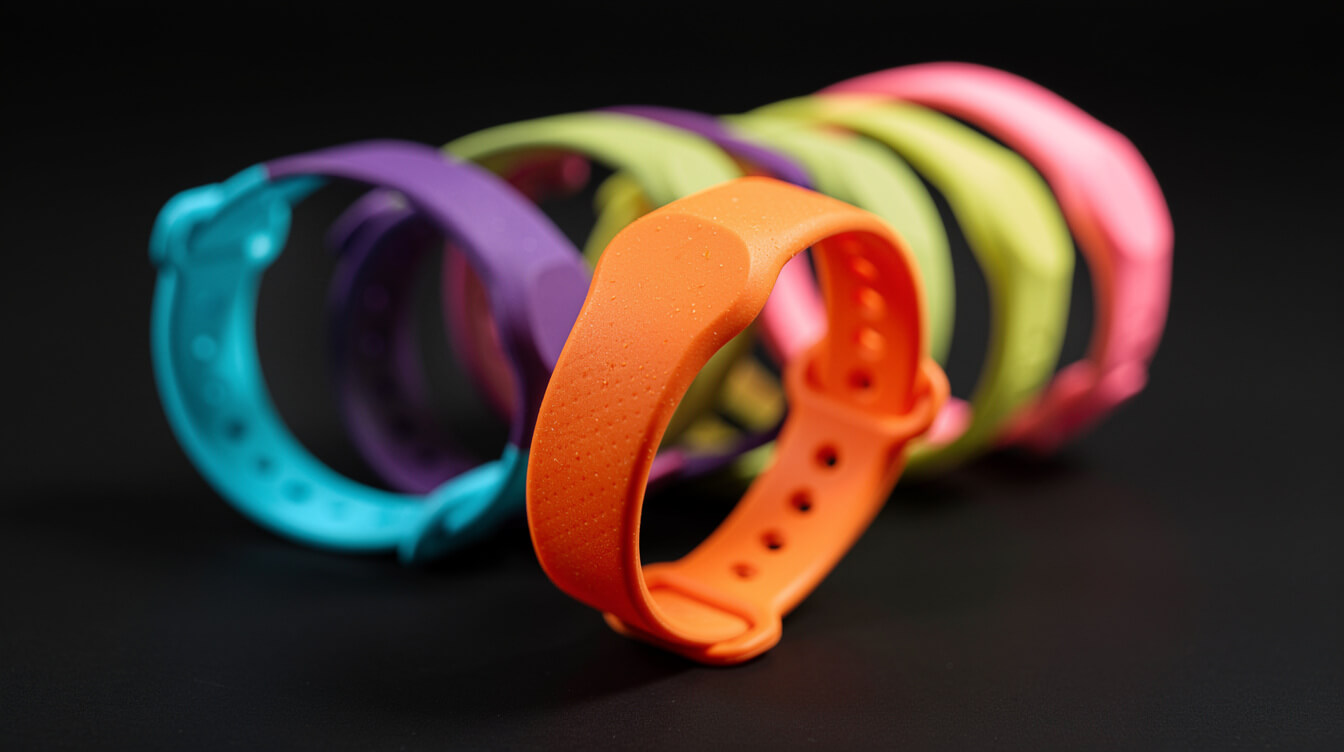
Custom silicone wristbands are one of the most-searched low-ticket items in the promotional product space, pulling 2,400 searches per month in the United States. The catch for POD sellers: this product lives almost entirely outside the standard print-on-demand fulfillment ecosystem. Printful does not carry them. Most Printify vendors do not either. That does not mean you cannot sell custom silicone wristbands online. It means you need a different sourcing path, and the economics of that path are worth understanding before you build a listing.
This article covers what custom silicone wristbands actually are, which no-minimum vendors support retail orders, how the unit cost math works at different order sizes, and why the Shopify 1% override fee hits this product category especially hard. If you are running a POD store on WooCommerce, or thinking about switching from Shopify, the numbers here will land with some weight.
What makes a custom silicone wristband: debossed, embossed, printed, and color-filled variants
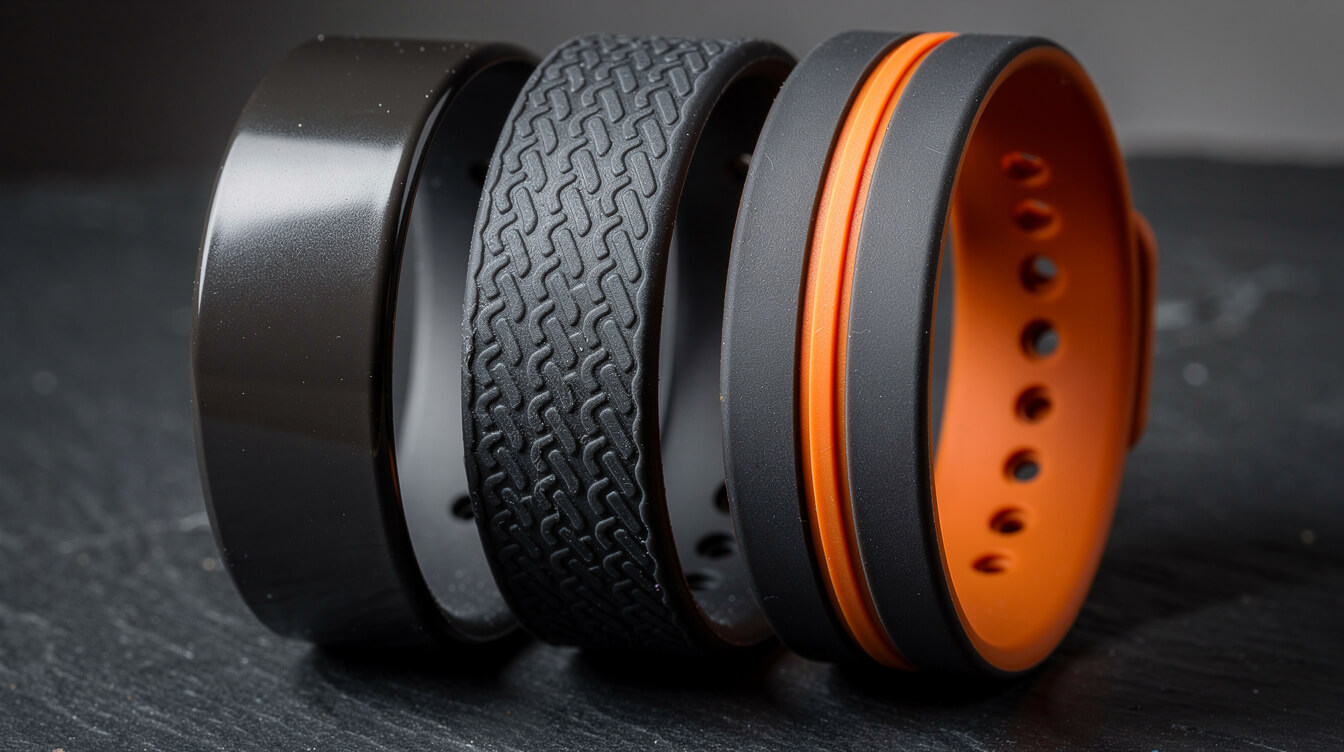
Not all silicone wristbands are the same product. The four main construction types differ in how the customization is applied to the silicone band, which affects durability, readability, minimum viable design complexity, and retail price expectations.
Debossed. The text or design is pressed into the silicone surface during molding, creating a sunken impression. This is the classic charity wristband construction. Readable at a glance, extremely durable. The debossed area is the same color as the band itself.
Embossed. The design is raised above the surface of the band, also during molding. Slightly more tactile than debossed. Also single-color. Works best with simple geometric designs or short text, not photography or gradients.
Color-filled debossed. A debossed band with a contrasting ink color pressed into the recessed area after molding. This gives you two-color contrast (band color plus fill color), which dramatically improves legibility. Most awareness and cause wristbands use this construction.
Printed (inkjet or silkscreen on silicone). The design is printed directly onto the band surface rather than molded in. This enables full-color art, photography, and gradients. The trade-off: print durability is lower than debossed or embossed. Ink on flexible silicone cracks and fades faster than molded construction. For short-event or single-use wristbands, this is acceptable. For a product marketed as wearable for months, debossed or color-filled is the more defensible choice.
One practical note for listing strategy: most buyers searching for custom silicone wristbands do not care about the construction terminology. They care about color, design, and price. Your product listings should lead with the outcome (bold color, shows your design clearly, comfortable for all-day wear), not the production method.
Do Printful and Printify carry custom silicone wristbands?

The short answer: no, and the reason matters.
Printful’s catalog is built around fabric and hard-goods printing methods: direct-to-garment, dye sublimation, embroidery, direct-to-film, and UV print on rigid substrates. Silicone wristband production requires injection molding, which is a manufacturing process, not a printing process. Printful does not operate injection molding equipment, so silicone wristbands are not in their catalog and are unlikely to appear there.
Printify takes a network-sourcing approach, connecting sellers to a large pool of third-party vendors. Some Printify network vendors do carry promotional products, including keychains and some novelty items. However, as of mid-2026, silicone wristbands are not a confirmed, consistently available product through Printify’s standard product creator. Always check the current product catalog directly before building a sourcing strategy around any Printify network assumption, as vendor availability changes.
Gooten and Gelato are similarly focused on printing rather than manufacturing, and do not carry silicone wristbands in their standard catalogs.
This gap is actually an opportunity. Because standard POD platforms do not support this product, the search result page for “custom silicone wristband” is dominated by B2B manufacturers targeting bulk buyers with minimum order quantities. There is almost no editorial content aimed at individual POD sellers. That is exactly the SERP gap this article is designed to fill, and the same gap your WooCommerce store can fill in the product results.
POD-adjacent suppliers: which no-minimum vendors ship individual retail orders
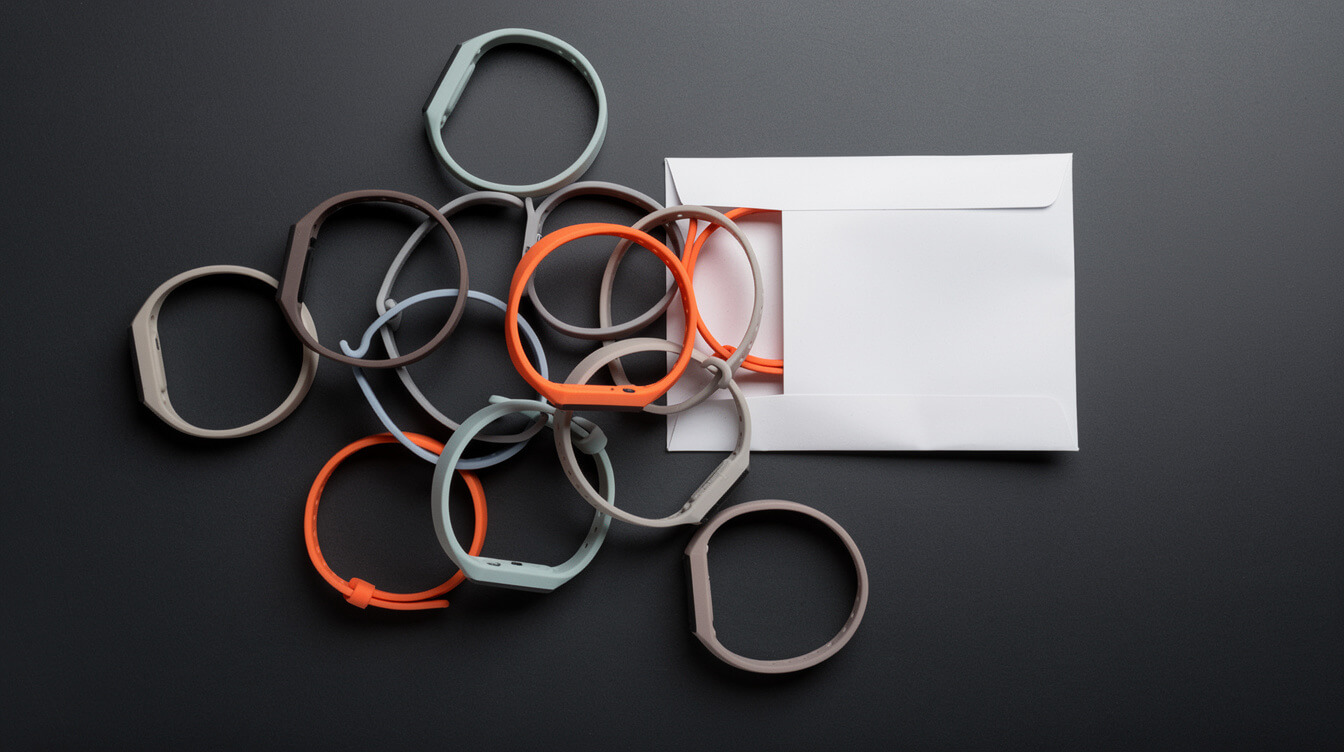
The path to selling custom silicone wristbands in a POD-style model runs through what is best described as POD-adjacent suppliers: vendors who accept small or no-minimum orders and ship direct-to-consumer on your behalf. The economics are different from standard POD, but the fulfillment flow can be structured to approximate a dropship model.
24hourwristbands.com. This is the most commonly cited supplier for no-minimum or very-low-minimum white-label wristbands. They produce debossed, embossed, and color-filled bands in 24 hours (domestic US production) and offer a rush shipping tier that can fulfill a retail order in 48-72 hours from purchase. White-label dropship pricing sits around $1.50-3.00 per unit depending on band size and construction type, before shipping. This is not as lean as a standard Printful or Printify unit cost, but it enables a retail model without holding inventory.
StickerMule. StickerMule carries custom silicone wristbands with a 10-unit minimum order. At 10 units, the per-unit cost lands around $1.75-2.50 depending on configuration. StickerMule is known for production quality and reliable shipping timelines. The 10-unit minimum makes this more of a small-batch channel than a true no-minimum model, but if your store receives orders for event kits or bulk cause packages, StickerMule is a reliable tier-two fulfillment option.
Wristband Bros and similar B2C-positioned manufacturers. Several of the manufacturers ranking in the SERP (wristbros.com, wristband.com, rapidwristbands.com) will process single-unit or very small orders at retail-adjacent pricing. The per-unit cost at one-piece pricing is typically $3-6 depending on configuration. This is expensive relative to bulk pricing but workable for occasional retail orders while you validate demand before committing to inventory.
The practical model for most POD sellers entering this category: use white-label dropship at $1.50-3 per unit to validate demand and collect real order data, then graduate to small-batch inventory at 50-100 units once you have proven winning designs. For your WooCommerce store, this is straightforward to configure with manual fulfillment workflows or lightweight order-routing integrations, without the lock-in of a single platform supplier.
If you are curious about how other POD-adjacent products work with a similar sourcing model, the custom lanyards guide covers a very similar fulfillment structure, including the hybrid model between no-MOQ vendors and small-batch economics once a design proves itself.
Unit cost math: $1.50-3 white-label reseller vs $0.13 bulk manufacturer at 500 units

Smash print-on-demand. Join the engine room.
One short email a week. Real numbers, real teardowns, the unfiltered economics behind every move.
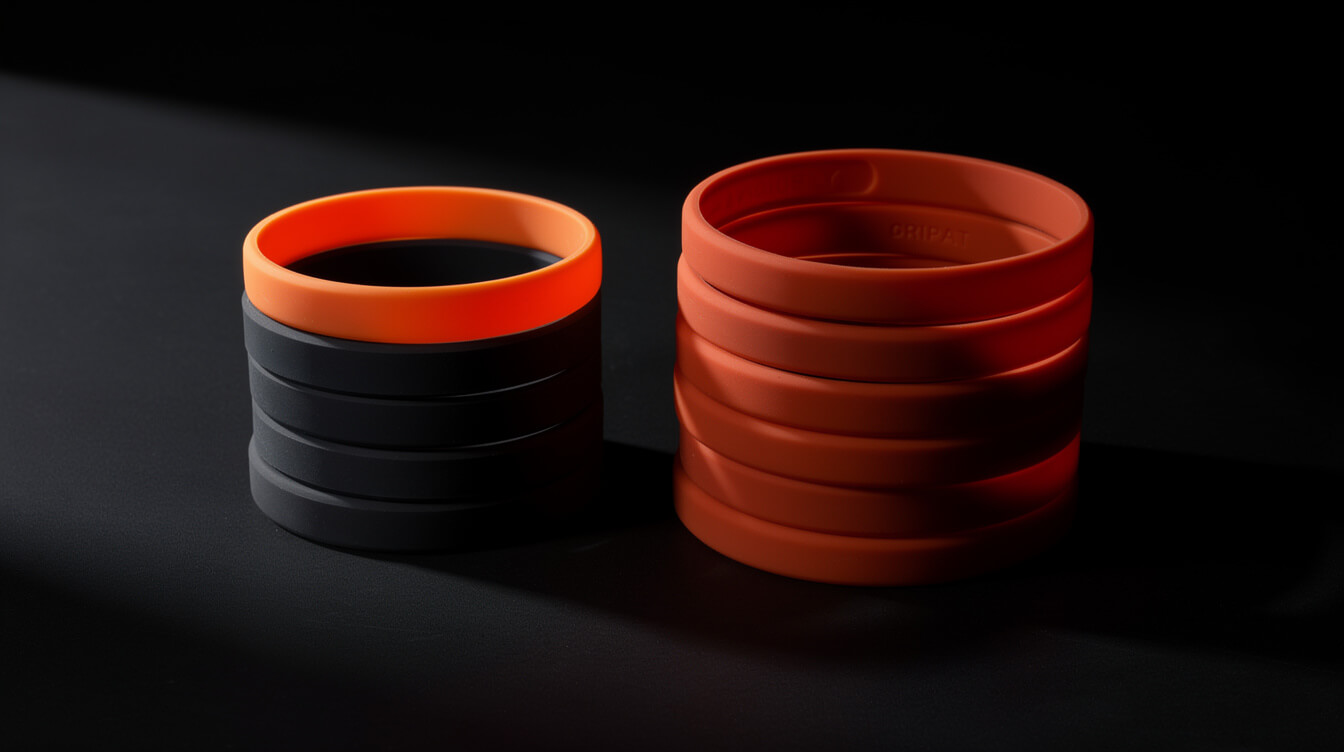
The bulk manufacturing pricing on silicone wristbands is striking. At 500 units, manufacturers like wristco.com and 24hourwristbands are pricing debossed bands at $0.13-0.14 per unit, including the silicone material and the molding labor. That is an almost absurdly low per-unit cost. It is also irrelevant to most individual POD sellers unless you are operating a model where you hold inventory.
Here is what the actual math looks like at the three common sourcing tiers:
Tier 1: No-minimum white-label dropship (1 unit)
Production cost per unit: $1.50-3.00
Outbound shipping: $4.00-5.50 (first-class or economy parcel, US domestic)
Landed cost to seller: $5.50-8.50
Reasonable retail price: $9.99-14.99 single unit
Gross margin: $1.49-9.49 (roughly 14-63%, median around 40%)
The single-unit margin is thin. A $10 retail item with $7 in fulfillment costs leaves you with $3 in gross margin, before advertising and platform fees. This is why the product works better as a bundle or set.
Tier 1 bundle: 5-pack event kit
Production cost: $7.50-15.00 (5 units)
Outbound shipping: $5.50-7.00 (parcel weight increases marginally)
Landed cost: $13.00-22.00
Retail price: $29.99-39.99
Gross margin: $8-27 (28-67%, median around 45%)
The 5-pack shifts the economics materially. A $35 bundle retail price at $20 landed cost gives you $15 gross margin per transaction, which is five times the dollar margin of a single unit. Event buyers, cause supporters, and sports team organizers naturally think in terms of packs, so this is also the correct product format for how your actual buyers shop.
Tier 2: Small-batch inventory (50 units)
Production cost per unit: $0.62-1.50 (from manufacturers at 50-unit MOQ)
Inbound shipping: $0.20-0.40 per unit
Landed inventory cost per unit: $0.82-1.90
Retail: $9.99-14.99 single unit
Gross margin: $8.09-14.17 (68-81%)
Small-batch inventory is where the economics become genuinely attractive, but it requires capital commitment and a design that has already proven itself. The practical path is to validate at tier 1 (dropship) for 30 days, identify the designs that convert, then move those designs to a tier 2 inventory commitment.
Tier 3: Bulk manufacturer (500 units)
Production cost per unit: $0.13-0.14
Inbound freight: $0.10-0.25 per unit
Landed inventory cost per unit: $0.23-0.39
Retail: $9.99-14.99
Gross margin: $9.60-14.76 (73-82%)
Bulk is only relevant if you have a design with proven, repeatable demand. At 500 units, you are committing $65-70 in production plus freight and storage. That is a risk worth taking on a proven winner. It is not the right entry point.
For context on how similar low-AOV product economics work in the POD space, the custom enamel pins guide covers a very similar tiered-sourcing model with comparable unit cost structures.
The Shopify 1% fee at $8-15 AOV: what it actually costs per month
Shopify charges a 1% override fee on gross revenue for third-party payment processors (not Shopify Payments). At first glance, 1% sounds small. At an $80 average order value, it is $0.80 per sale. At a $12 average order value, it is $0.12 per sale. Except gross margin at $12 AOV is already thin, and that $0.12 is not 1% of your margin, it is 1% of your revenue, which translates to a much higher percentage of your profit.
Here is the math at three volume levels with a $12 single-unit AOV:
100 orders per month ($1,200 revenue)
Shopify 1% override: $12.00/month
Shopify Basic plan: $39.00/month
Total Shopify overhead: $51.00/month
WooCommerce equivalent: $15-30/month (hosting + payment processing, no platform override)
Annual gap: $252-$432
200 orders per month ($2,400 revenue)
Shopify 1% override: $24.00/month
Shopify Basic plan: $39.00/month
Total Shopify overhead: $63.00/month
WooCommerce equivalent: $15-30/month
Annual gap: $396-$576
500 orders per month ($6,000 revenue)
Shopify 1% override: $60.00/month
Shopify Basic plan: $39.00/month
Total Shopify overhead: $99.00/month
WooCommerce equivalent: $15-30/month
Annual gap: $828-$1,008
At $12 AOV and 500 orders per month, the Shopify override alone is $720 per year. That is not a rounding error. That is the equivalent of roughly 60 units of inventory at the small-batch cost tier, or about six months of hosting for a WooCommerce store on a quality managed server.
The override fee problem compounds for low-AOV products because your gross margin per transaction is already compressed. A $3 gross margin on a $12 product means you are working with 25% gross margin. Taking 1% of revenue off the top translates to losing 4% of your gross margin, not 1%. At scale, that matters.
The WooCommerce vs Shopify for POD sellers guide covers the full fee structure comparison in detail, including the app fee layer that Shopify stores accumulate over time.
MEGA automates the product listing pipeline for WooCommerce stores, including image generation, sizing, and full listing creation, at a fraction of the manual workflow time. If you are scaling a catalog that includes low-AOV products like custom silicone wristbands, eliminating the Shopify overhead is one of the clearest margin moves available. Try MEGA to see what the pipeline looks like in practice.

Automate your WooCommerce POD pipeline. 30x your product throughput.
MEGA handles image generation, sizing, title writing, SEO, and live publishing to WooCommerce — end to end in under 7 minutes per product. No Canva sessions. No Shopify fees.
Niche verticals where demand is real: causes, fundraisers, events, fan merch, and wedding favors
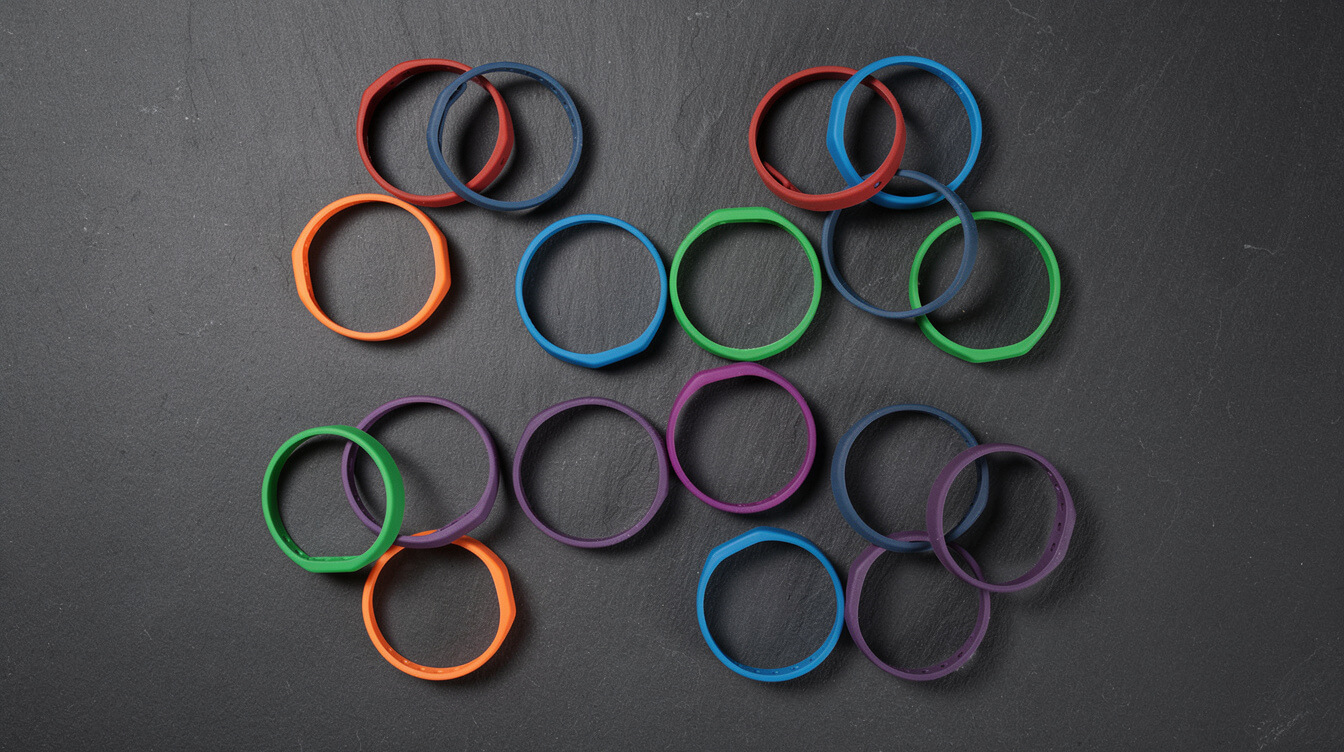
The custom silicone wristband market has several distinct buyer segments. Understanding which segments you are serving changes your listing copy, your color palette choices, your bundle structure, and your seasonal strategy.
Cause and awareness campaigns. This is the origin segment for the product category. The Lance Armstrong Livestrong yellow wristband in 2004 created a template that thousands of nonprofits and community organizations have replicated. Buyers in this segment are often ordering for a specific campaign window, care about a specific color (often associated with their cause’s identity), and are comfortable with small quantities if the per-unit cost is reasonable. The white-label dropship tier works well here because buyers do not need 500 units, they need 15-25 for a school awareness week or a community walk event.
Fundraising campaigns. Schools, sports teams, and community organizations run fundraiser wristband campaigns where supporters pay $5-10 each for a wristband that signals their participation. The organizing body collects the money upfront, which means the seller (you) may be fulfilling a pre-sold batch rather than individual orders. This is a strong candidate for the tier 2 small-batch model at 50 units.
Events: concerts, festivals, sports, conferences. Event wristbands as souvenirs or admission markers are a steady commercial category. A niche event wristband store targeting specific music genres, local sports teams, or annual festival communities can generate predictable seasonal spikes. The key is building the listing calendar around event timing, not reacting to it. A music festival happening in June needs its wristbands listed and indexed by April.
Fan merch stores. Non-licensed fan merchandise is one of the cleaner uses of silicone wristbands in a POD-adjacent model. A fan community around a music artist, a sports team, a gaming franchise, or an online content creator can sustain a small but loyal wristband catalog. Original art and fan-expression designs (no copyrighted logos or trademarked imagery) keep the product legally clean. Fan buyers expect low prices and high identity alignment, so design quality matters more than production quality at this price point.
Wedding and event favors. Budget-conscious couples and event planners use custom silicone wristbands as favor items, particularly for casual or outdoor weddings, bachelorette parties, and kids’ birthday events. The wedding favor buyer has a deadline (the event date) and a specific quantity need. Getting in front of this buyer 4-6 months ahead of peak wedding season (March-June) is the listing timing strategy. A bundle listing with personalization options for name and date fits this segment well.
Corporate swag and employee recognition. Companies order branded wristbands for team-building events, new hire kits, and trade show giveaways. This is a B2B-adjacent segment where the buyer is an office manager or HR coordinator with a budget, not a price-sensitive individual consumer. Pricing tolerance is higher, quantities are predictable (typically 25-100 units), and repeat orders are possible if your product quality earns the account.
Selling custom silicone wristbands on WooCommerce: inventory-held vs white-label dropship hybrid
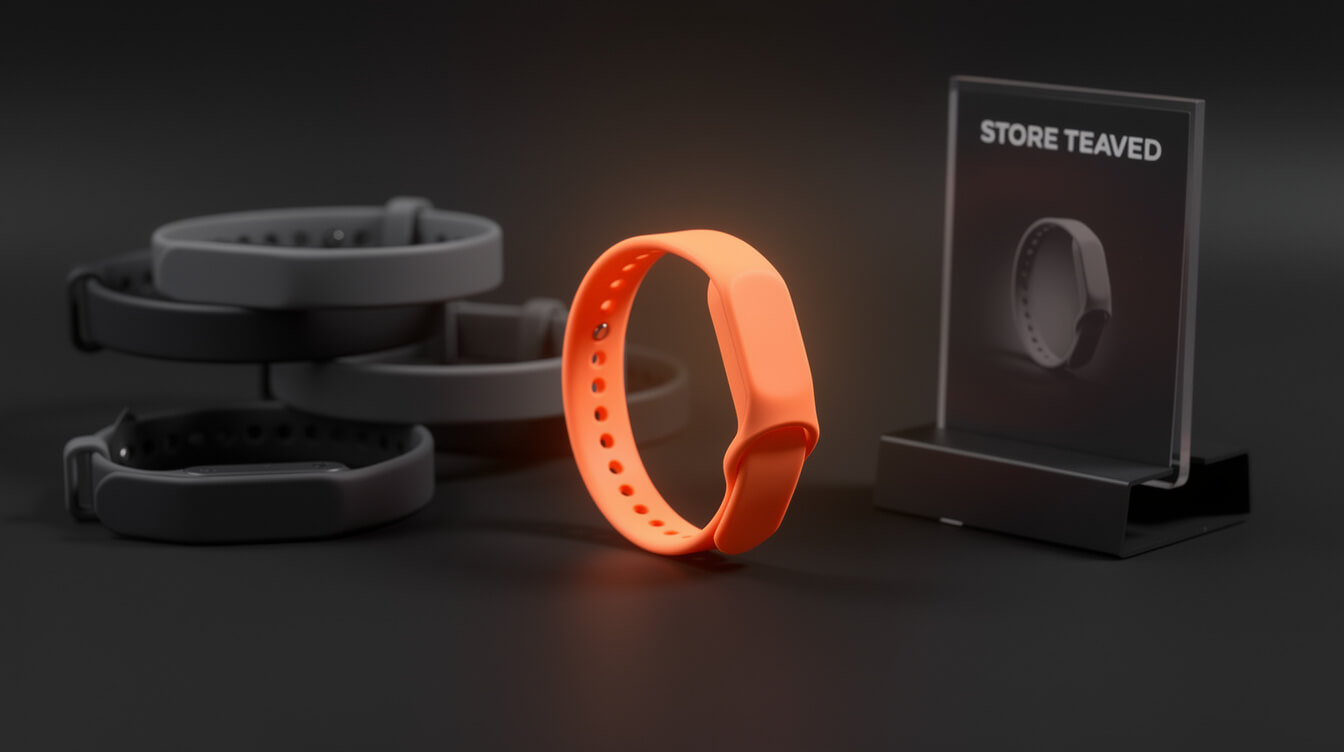
Because standard POD platforms do not support silicone wristbands, the WooCommerce setup for this product is necessarily more manual than a Printful or Printify integration. That is not a deal-breaker. It is a structural advantage: the same manual friction that keeps most casual POD sellers away from this product keeps the SERP and the marketplace competition thin.
The white-label dropship model. In this model, you receive an order in WooCommerce, forward it to your white-label supplier (24hourwristbands or equivalent), and the supplier ships directly to your customer. Your WooCommerce store handles the payment, customer communication, and order tracking. The supplier handles production and shipping. Margin is thin on a per-unit basis, but there is zero inventory risk. This is the right model to start with.
WooCommerce order routing for manual dropship is straightforward: create a private order at your supplier for each WooCommerce order received, mark the WooCommerce order as fulfilled when the tracking number arrives, and forward the tracking to the customer via WooCommerce’s built-in order status emails. No paid apps required. This is native WooCommerce functionality.
The hybrid inventory model. Once you have validated 2-3 designs that sell consistently, move those designs into small-batch inventory (50-100 units) while continuing to use white-label dropship for new designs. Your WooCommerce inventory system tracks the stock of proven designs automatically. When stock runs low, reorder. The dropship tier remains your testing ground and overflow channel.
Product personalization with WooCommerce. Many buyers want a name, date, or short message on their wristband. WooCommerce supports text input product options natively without a paid app. Add a custom text field to your product page with a character limit matching your supplier’s maximum. The supplier reads this field from the order notes or a structured order export. This is an AOV-lifting feature (personalized wristbands typically retail $2-4 higher than non-personalized) that requires no additional software spend.
On Shopify, the same personalization feature requires a paid product options app, typically $19-49 per month. At a $15 retail price and 200 orders per month, that additional app overhead represents 13-33% of the gross revenue on this product line. WooCommerce eliminates that cost entirely.
If you are still running a Shopify store and evaluating the WooCommerce migration math for low-AOV products, the custom temporary tattoos guide covers a very similar POD-adjacent product with the same WooCommerce vs Shopify fee comparison framework applied to a $10-15 retail price point.
Conclusion: custom silicone wristbands as a sustainable WooCommerce product line
Custom silicone wristbands are not a standard print-on-demand product, and that is exactly what makes them interesting. The SERP is dominated by B2B manufacturers targeting bulk buyers. Individual POD sellers have almost zero editorial presence in this search space. The buyer demand is real: 2,400 searches per month in the US, spread across cause campaigns, events, fan communities, and the wedding favor market.
The path in is straightforward: start with white-label dropship at $1.50-3 per unit landed cost, build bundle listings around the segments with the most natural grouping (5-pack cause kits, event packs, wedding favor bundles), validate which designs convert, and graduate winners to small-batch inventory at 50-100 units where margin improves to 68-81% gross.
The Shopify 1% override fee is particularly punishing on a $10-15 product at volume. Moving this product line to WooCommerce removes that drag entirely, keeps your personalization workflow native and cost-free, and lets your margin compound without a platform taking its cut of every low-ticket transaction.
The unit cost math is workable. The SERP gap is real. The buyer segments are predictable. What is missing is a seller willing to do the sourcing work that standard POD platforms skip.
Implement AI. 30x your throughput. Get a 30-min call with the founder.
Drop your details and book a free 30-minute discovery call. Personalized advice on your POD stack, your margin, and where AI fits. No pitch, no fluff.