Custom puzzles for POD sellers: print method, provider options, and why Q4 is when the unit economics finally make sense
Custom puzzles are one of the most underrated product categories in print-on-demand. The search volume for “custom puzzle” sits at 18,100 searches per month, and nearly every result on page one is a consumer-facing photo gift service — PuzzleYou, White Mountain Puzzles, CVS Photo, Venus Puzzle. Not a single result is written for POD sellers who want to add puzzles to their catalog. That gap is the opportunity. This guide covers the print method, which providers carry custom puzzles, what the unit cost math actually looks like, and why Q4 is the one window when puzzle economics tip decisively in your favor.
Why custom puzzles work as a POD product
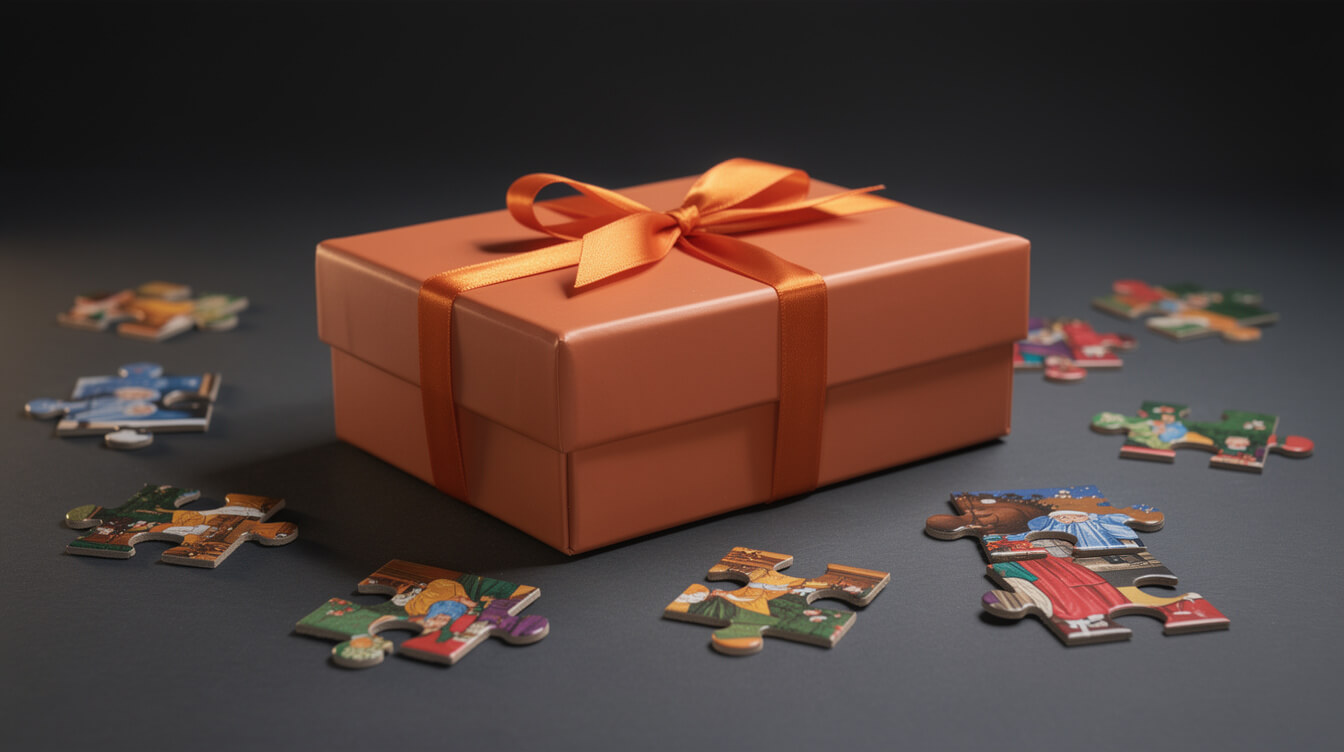
Puzzles occupy a specific corner of the gift market that POD sellers should understand before adding them to a catalog: they are almost never bought on impulse. A custom puzzle requires a photo, a choice of piece count, and the intention to give it as a meaningful gift. That considered purchase profile is actually good news for sellers. It means the buyer already knows what they want and why — you are not convincing them to buy puzzles in general, you are giving them a place to buy your version.
The gift angle drives the purchase calendar. Custom puzzles spike hard in Q4 — October through December accounts for an estimated 60 to 70 percent of annual volume in the photo-gift segment. Valentine’s Day adds a secondary peak in late January to mid-February. The practical implication: a POD seller who lists custom puzzle products in August or September, optimizes the listings, and lets organic search accumulate before October is positioned to catch the full demand wave rather than scrambling to list in November when every other seller is doing the same thing.
Repeat buyer potential is also real. A family that buys a custom puzzle as a holiday gift for a grandparent is likely to buy again the following year with a different photo. This is one of the few POD categories where CRM and email follow-up have measurable return on investment if you own your store data — which is one more reason WooCommerce’s customer-ownership model fits puzzles better than a marketplace.
How custom photo puzzles are manufactured
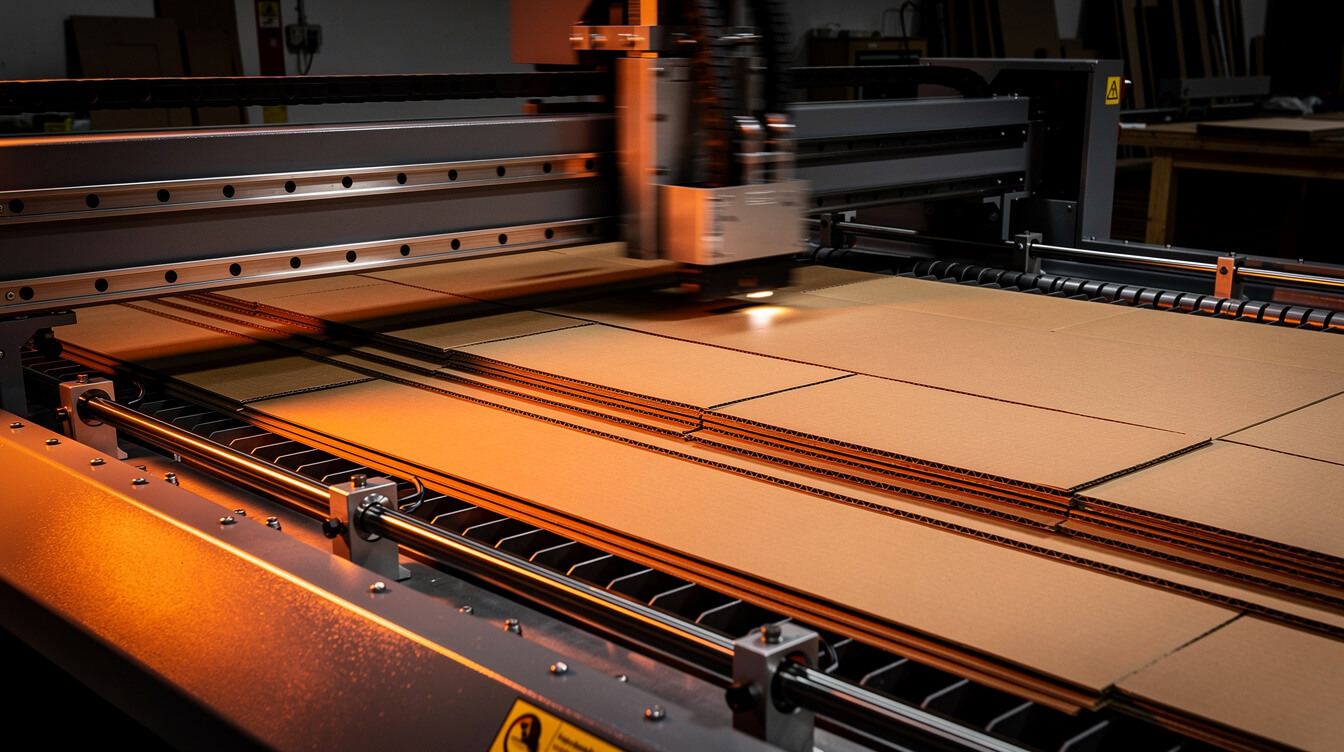
The manufacturing process for custom puzzles is not sublimation and it is not DTG. It is digital offset printing on cardboard stock, followed by a die-cut press that scores and presses out the individual pieces. Understanding this distinction matters because it affects the types of photos that print well and the providers that are equipped to offer it.
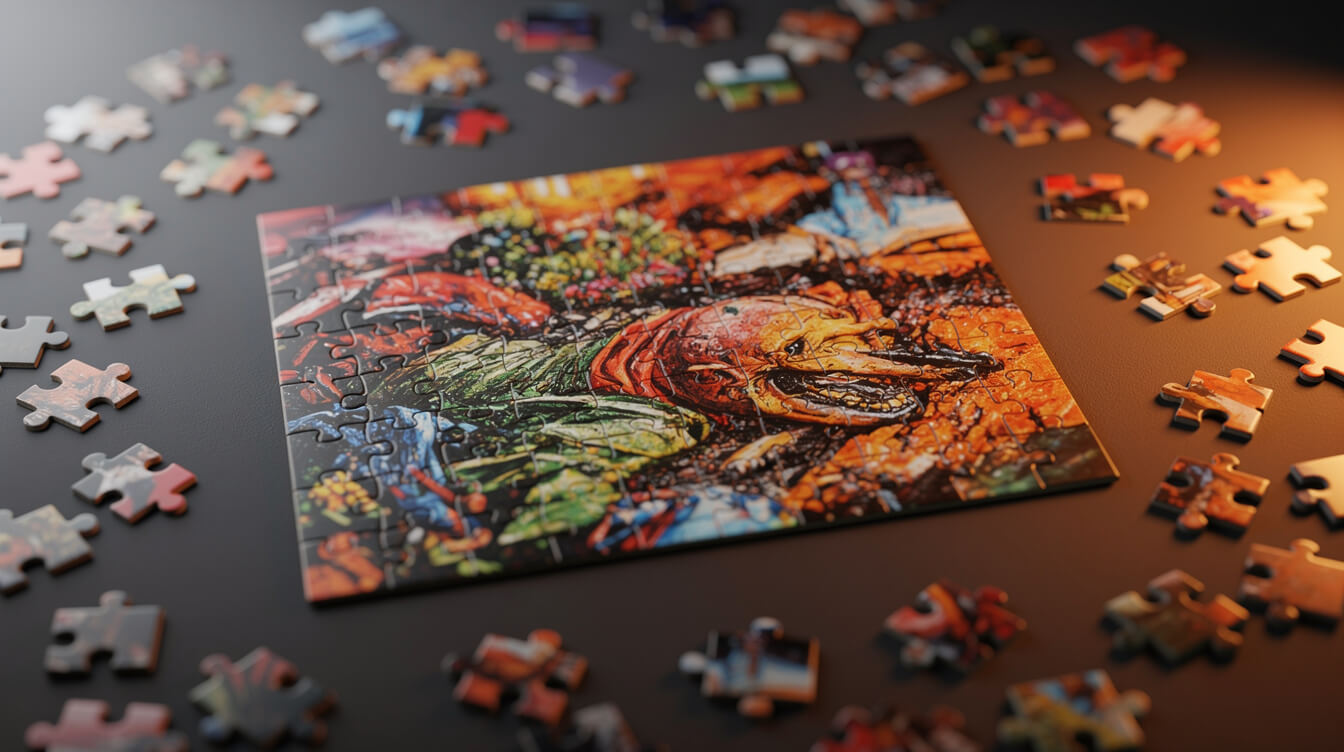
The print process works like this: your customer’s photo is resized to the puzzle dimensions, color-corrected, and printed at high resolution on coated cardboard using CMYK inkjet or digital offset. The printed cardboard sheet is then pressed through a die that cuts the interlocking pieces. The pieces are dropped into a box, typically with a reference image on the inside of the lid or in a booklet insert.
Piece count options matter for both manufacturing complexity and retail pricing. The most common options from POD suppliers are 30-piece (kids, toddler-friendly), 252-piece (entry-level adult), 500-piece (the most popular gift size), and 1000-piece (enthusiast and collector tier). Higher piece counts require tighter die tolerances, which is why not every POD provider supports the full range — some cap at 500 pieces.
Photos that work best for custom puzzles: high resolution (minimum 2 megapixels for 500-piece, 4+ for 1000-piece), strong contrast and color saturation, and a clear focal point. Flat, low-contrast images — overcast sky shots, foggy landscapes — look washed out at puzzle print resolution and generate returns.
Which POD providers carry custom puzzles
The provider landscape for custom puzzles is more limited than it is for apparel or mugs, but the options that exist are solid. Here is what the major platforms offer as of mid-2026.
Printful: Printful carries custom photo puzzles through its catalog. The standard offering includes piece-count options (252, 500, and 1000 pieces), gloss-finish cardboard, and inclusion of a reference image. Production time is typically 2 to 5 business days. Printful’s puzzle pricing sits at the premium end of the POD market, which is fine — the retail price for a custom puzzle can absorb a higher base cost without alarming buyers who are already paying $30 to $50 at consumer services.
Printify partner network: Printify does not manufacture puzzles in-house but offers them through its partner supplier network. The specific suppliers vary by region. For US sellers, Monster Digital and a handful of other Printify network suppliers carry puzzle SKUs. Quality and piece-count options vary by supplier — check the Printify catalog directly for current availability and filter by shipping origin if delivery speed matters for your audience.
Gooten: Gooten carries custom puzzles in its catalog and tends to offer competitive base pricing. Gooten integrates with WooCommerce directly, which makes it worth evaluating for sellers on that stack who want an alternative to Printful or Printify.
Direct-to-supplier options: For sellers who have validated demand and want to explore higher-margin supplier-direct manufacturing at 50+ units per month, companies like MakePlayingCards (which also manufactures puzzles) and dedicated puzzle manufacturers offer white-label production. This moves outside the traditional POD model but is worth knowing as a scaling path for a proven puzzle niche.
Unit cost math at 1, 10, and 50 units

Smash print-on-demand. Join the engine room.
One short email a week. Real numbers, real teardowns, the unfiltered economics behind every move.
The unit economics of custom puzzles are workable, but the numbers require clear-eyed analysis. Let us run the actual math at three volumes using representative Printful pricing as of mid-2026.
At 1 unit (no-order-minimum POD): A 500-piece custom photo puzzle from Printful typically runs $20 to $24 base cost before fulfillment fee and shipping. At $24 base + $4 fulfillment + $6 standard US shipping = $34 total cost to deliver to a domestic customer. If you retail at $49.99, that is a $15.99 gross margin — roughly 32 percent before payment processing fees.
At 10 units per month: The base cost does not change significantly in pure POD — you are paying per unit regardless of volume. Where the math improves is on shipping consolidation and any Printful tiered pricing adjustments. At 10 units per month you are generating roughly $159 in gross margin before platform fees. On WooCommerce, platform fees are near zero (hosting + WooCommerce extension costs, spread across volume). On Shopify with the 1% POD override applied to $500 in monthly puzzle revenue, that is $5 gone directly to Shopify on top of the standard Shopify plan fee.
At 50 units per month: At 50 units per month ($2,500 in puzzle revenue assuming $50 average order value), the Shopify 1% override costs $25 per month on puzzles alone. Over a year, that is $300 in pure platform tax on one product category. WooCommerce charges nothing equivalent. The $300 annual difference from puzzles alone is small in isolation, but aggregated across a full POD catalog — mugs, blankets, socks, phone cases, puzzles — the cumulative Shopify override becomes a material line item.
For context, consumer services like PuzzleYou charge $29.99 for 252 pieces and up to $49.99 for 1000 pieces. Your POD retail pricing at $34.99 for 252-piece and $49.99 for 500-piece is competitive with the direct-to-consumer incumbents without being the cheapest option — which is fine. POD buyers are buying a specific photo product, not comparison shopping on price.
If you want to streamline how you go from keyword to a fully listed puzzle product on WooCommerce, MEGA automates the entire pipeline — research, image generation, and WooCommerce listing — in under seven minutes.
Retail pricing strategy at $30 to $55 AOV
Custom puzzles land in the $30 to $55 average order value range, which is a useful zone for POD sellers. It is high enough that the base cost and shipping do not consume the entire margin, and it is low enough that buyers do not need to think hard before purchasing a gift. The decision calculus for a $45 puzzle is fundamentally different from a $120 canvas print.
Piece-count pricing tiers work well as a bundled upsell structure. Price the 252-piece at $34.99, the 500-piece at $44.99, and the 1000-piece at $54.99. Most buyers default to the 500-piece — it is the intuitive “standard” puzzle size and the AOV sweet spot. The 1000-piece option serves enthusiast buyers and makes the 500-piece feel like better value by comparison.
Rush shipping is a material revenue line for puzzle sellers in Q4. From November 1 onward, buyers are actively searching for gifts with reliable delivery before December 25. Adding a clearly labeled rush shipping option at $15 to $20 premium — and noting it prominently on your product listing — converts meaningfully during the Q4 peak. Buyers in December will pay for confidence.
Bundling is another pricing lever. A three-puzzle holiday gift set (different photos, 252-piece each) at $89.99 raises AOV and works well for the family-photo niche where a buyer might want a puzzle for each of three grandchildren. WooCommerce’s product bundling extensions handle this natively; Shopify’s equivalent requires a paid app.
Regarding SEO for product listings: “custom photo puzzle” and “personalized puzzle gift” are the high-intent search terms on Google Shopping. Your WooCommerce product title and description should front-load these terms. If you are listing on Etsy alongside your WooCommerce store, the Etsy puzzle category is active — but you own the customer relationship on Etsy only to the extent the marketplace allows, which is limited. Build the WooCommerce listing as your primary asset.
Research to live WooCommerce puzzle listing in under 7 minutes
MEGA handles the full pipeline — keyword research, image generation, and WooCommerce listing creation — so you can add puzzle products to your catalog without the manual workflow.
Q4 seasonality: the September to November preparation window
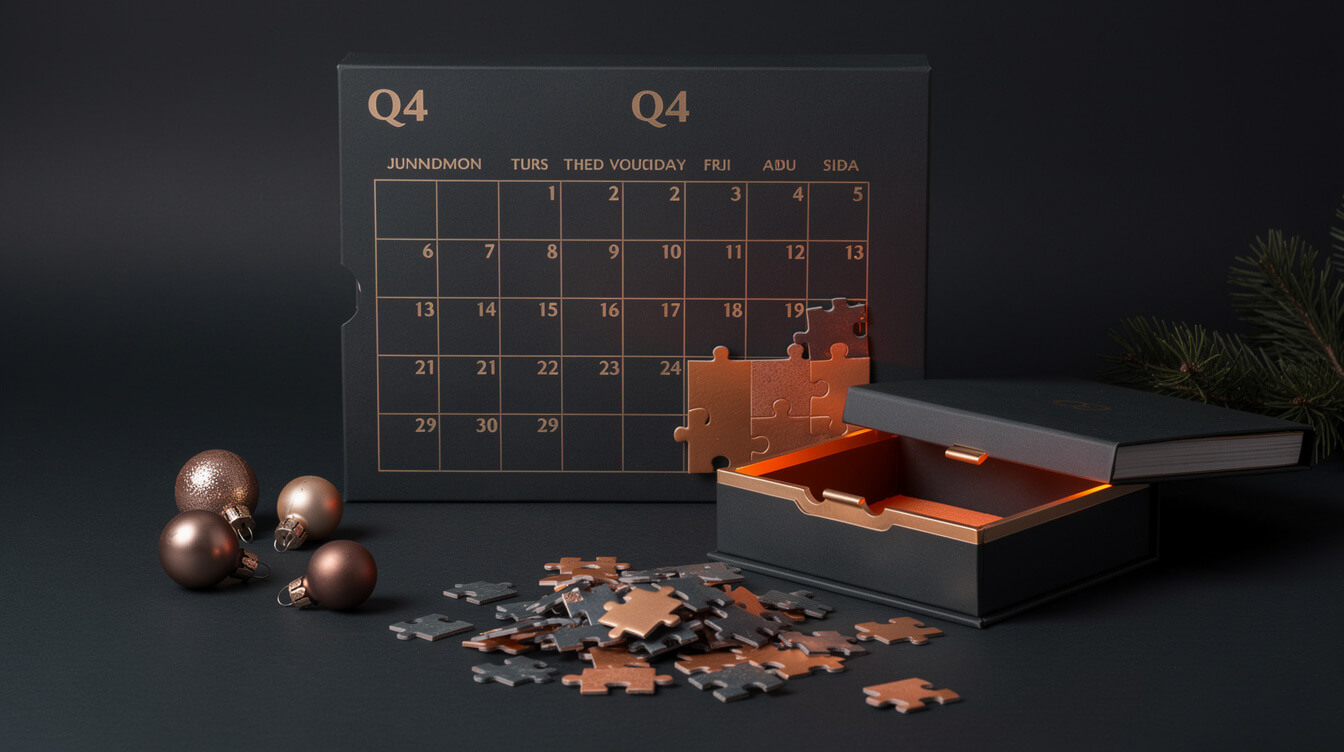
The single most important operational fact about selling custom puzzles is the production timeline relative to Q4 demand. Custom puzzles are not a same-day-ship product. From the moment a customer places an order, Printful needs 2 to 5 business days for production, plus 3 to 7 business days for standard US shipping. That is a 5 to 12 business day window from order to doorstep — call it 2 weeks under normal conditions.
For a gift to arrive by December 25, the practical order deadline is December 12 to 15 depending on the carrier and destination. This means your Q4 sales window is effectively October through December 12, not October through December 24. Every day after December 12 where a buyer attempts to order a custom puzzle without rush shipping is a potential return or complaint.
The preparation calendar for puzzle sellers should look like this:
- August to September: List products on WooCommerce, optimize titles and descriptions for “custom puzzle gift” and “personalized puzzle” search terms, set up your Q4 rush shipping option, test the full order-to-delivery cycle with a sample order.
- October 1: Begin Q4 promotion. Email list, social posts, Pinterest boards (gift guides index early on Pinterest). Label your listings with gift-deadline information.
- November: Peak demand builds. Run any promotional bundles. Monitor production times — Q4 holiday demand can extend Printful’s production windows. Add a buffer note to your product listings if production times extend beyond 5 business days.
- December 1 to 12: Final order window. Clearly display the last-order-by date in your storefront and via email. After December 12, redirect buyers to digital gift cards or other instant-delivery products.
- December 13 onward: Turn off puzzle promotion or add an explicit “ships after December 25” notice. Do not take orders you cannot fulfill in time.
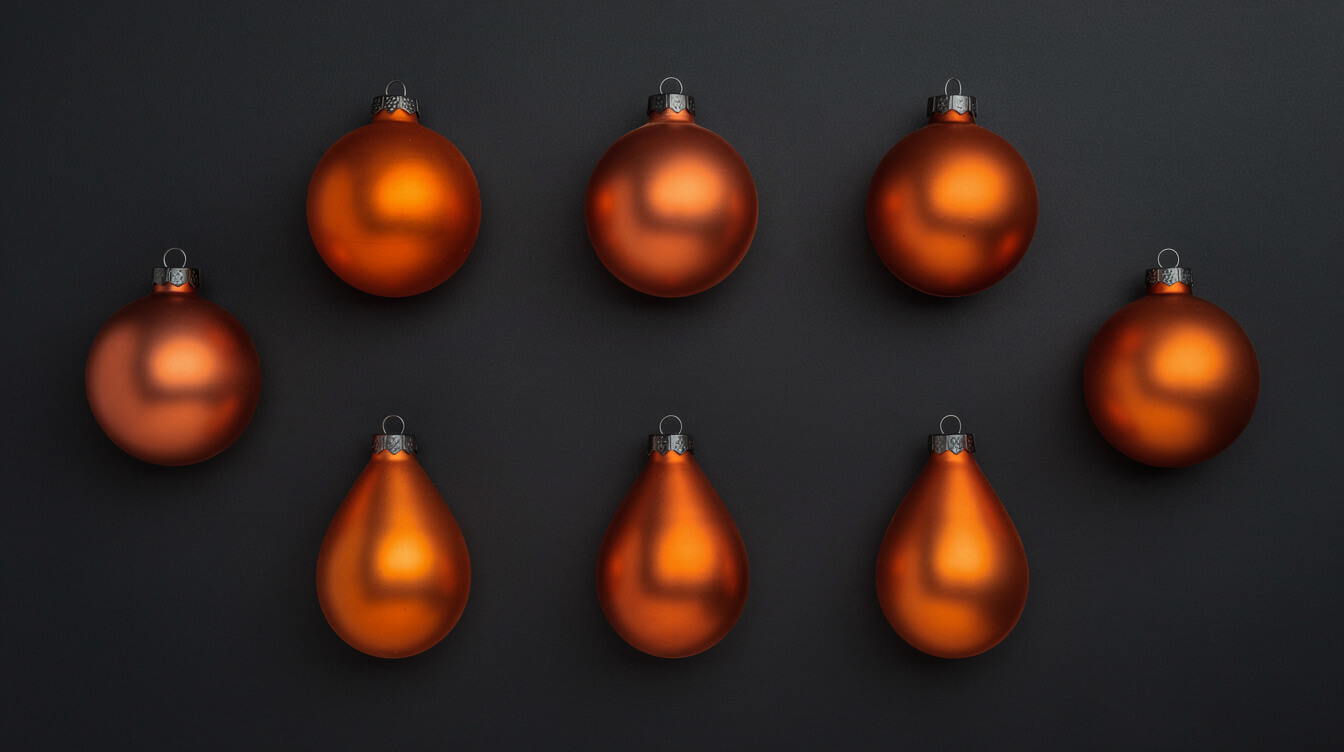
This is also where owning your customer data matters. A WooCommerce store gives you email addresses for every buyer. In October of the following year, a segmented re-engagement email to last year’s puzzle buyers converts well — they already know the product, already bought once, and are likely thinking about gifts again. Related products in the seasonal gift category include custom ornaments, which have similar Q4 seasonality and complement puzzles well as a gift bundle.
WooCommerce vs Shopify at $40 AOV puzzle volume
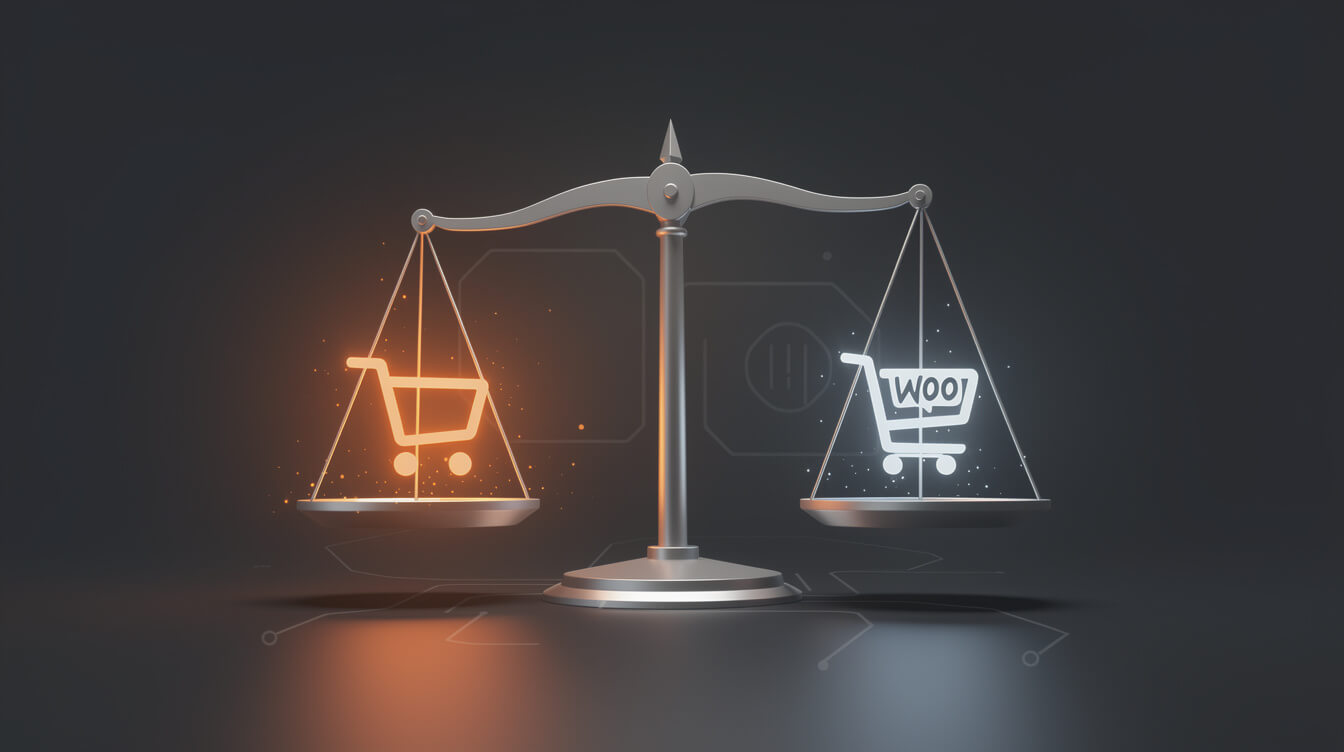
Custom puzzles sit at a $40 average order value, which makes the WooCommerce vs Shopify fee comparison concrete rather than theoretical.
Shopify’s POD override fee is 1% on every third-party payment gateway transaction. If you are using Stripe or PayPal rather than Shopify Payments, this 1% applies on top of the transaction. At $40 AOV and 50 puzzle orders per month, that is $20 per month in override fees from puzzles alone — $240 per year on a single product category.
Add in Shopify’s base plan cost ($29/month for Basic Shopify in 2026) and you are paying $348 per year in base platform fees before a single app subscription. Basic Shopify does not include calculated shipping rates (required for puzzle sellers who want to offer UPS or USPS rate shopping at checkout) — that requires the $79/month Shopify plan, adding $948 per year in platform cost.
WooCommerce on your own hosting runs differently. A WooCommerce store on a $12/month managed WordPress host costs $144 per year. The WooCommerce plugin is free. You add only the extensions you need — calculated shipping ($79/year one-time license), a checkout plugin if you want to improve conversion, and Printful or Printify’s free WooCommerce integration plugin. No percentage override on transactions. Customer data owned entirely. Email address captured on every order.
The math is not close. For a puzzle seller doing 50 orders per month at $40 AOV, WooCommerce costs approximately $400 to $600 per year total (hosting + a few extensions). Shopify at equivalent volume with the correct plan and override fee costs $1,100 to $1,500 per year. That $500 to $900 annual difference buys a meaningful amount of marketing budget, inventory testing, or simply stays as margin.
For a full breakdown of how this math plays out across a complete POD product catalog beyond just puzzles, read our guides on custom photo blankets and custom mug printing, where the same WooCommerce economics apply at similar AOV ranges.
Niche verticals for custom puzzle sellers
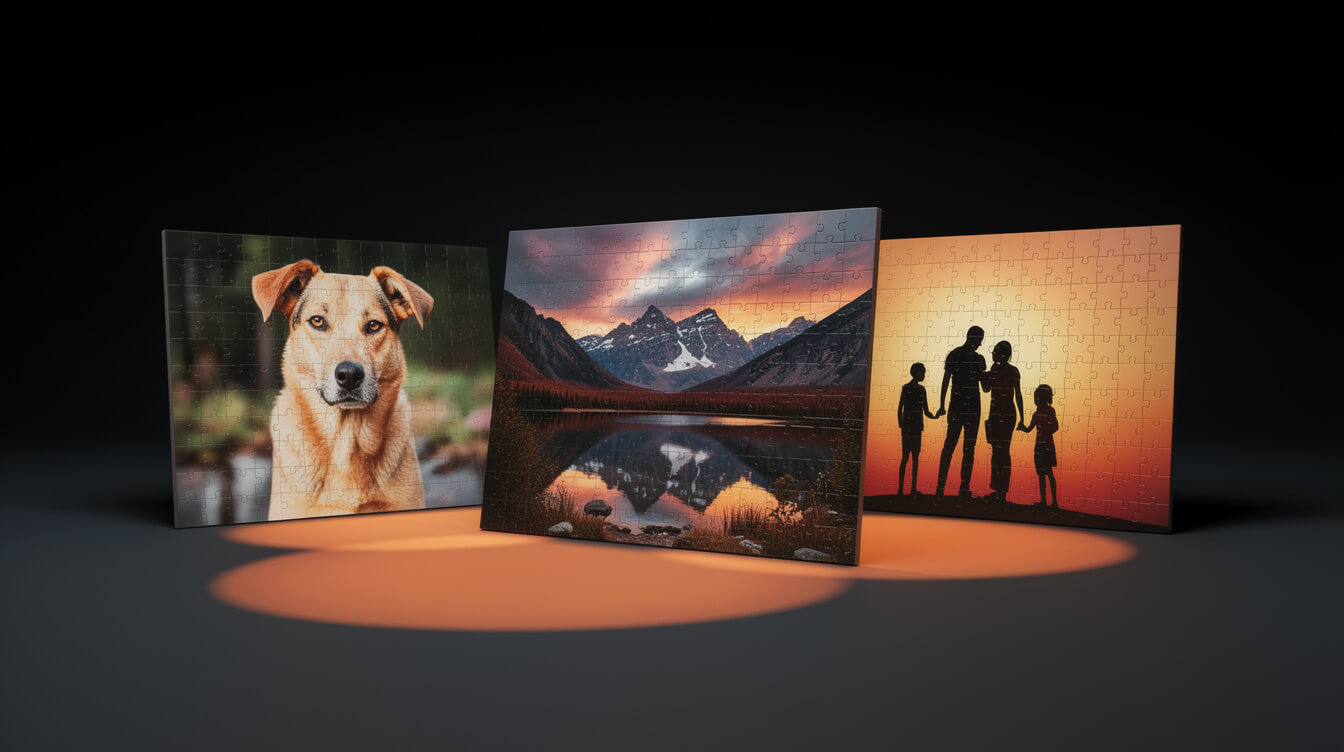
Custom puzzles work across a broad set of consumer niches. Here are the verticals that perform well in the photo-gift segment, with notes on positioning and seasonality for each.
Family photos: The largest volume niche. Grandparents are the primary gift recipient; parents and adult children are the primary buyers. A “family photo puzzle” listing optimized for Google Shopping and Pinterest captures this intent directly. Q4 is the dominant season; Mother’s Day and Father’s Day add secondary peaks.
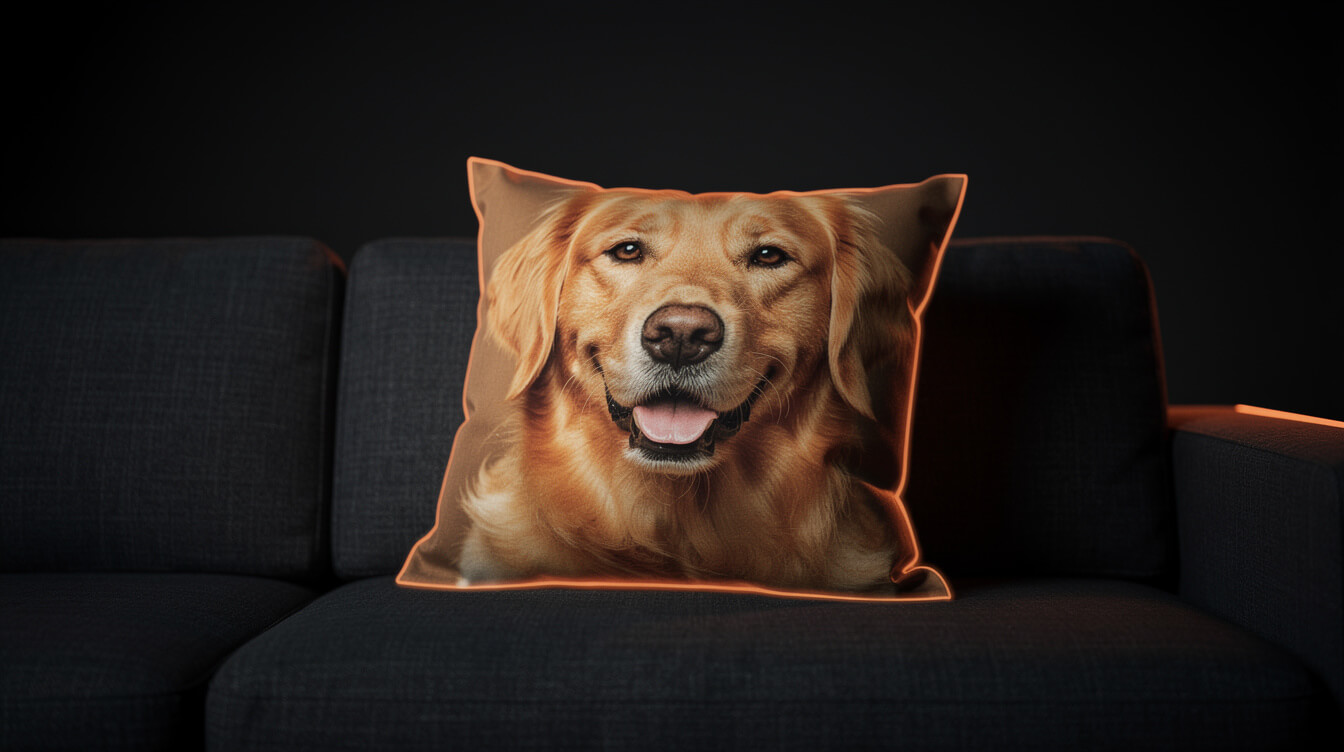
Pet portraits: Custom puzzles with a pet’s photo are a high-conversion novelty gift in the pet niche. Pet owners are unusually enthusiastic buyers and typically have strong brand loyalty once they find a supplier they trust. Cross-promote with other pet-themed POD products — custom blankets with pet photos, for instance, appeal to the same buyer.
Wedding favors and engagement gifts: Engagement announcement puzzles (“we’re getting married” with a couple’s photo) and wedding favor puzzles (table number plus a couple’s photo, given to guests) represent a distinct B-to-C-to-B buying pattern where one buyer purchases in quantity. A wedding favor buyer might order 30 to 60 puzzles for a single event. This drives AOV well above the single-unit average. The production timeline caveat applies here: wedding buyers plan months in advance, which reduces the Q4 rush pressure.
Travel photography: Travel photographers and landscape photographers who want to monetize their images find puzzles an accessible format. A 1000-piece puzzle of a landmark photo has collector appeal and can retail at $55 to $70 without resistance from enthusiast buyers.
Kids education: Alphabet puzzles, number puzzles, and custom classroom-photo puzzles serve a different buyer (parents and teachers) but tap into a year-round education market with a secondary Back-to-School August peak. Lower piece counts (30, 100 pieces) work best for this segment.
Sports team and event photos: Youth sports leagues, high school teams, and recreational league players buy custom group-photo puzzles as end-of-season gifts. The coach or team organizer functions as a high-value repeat buyer who returns each season. Building a relationship with one league can generate 20 to 40 puzzle orders per year from a single contact.
Adding custom puzzles to your POD catalog
Custom puzzles are a defensible addition to any photo-gift-oriented POD store. The unit economics work at $30 to $55 AOV, the Q4 seasonality is predictable and plannable, and the SERP competition from other POD sellers writing for this keyword is effectively zero. The editorial gap this post occupies is real — the incumbents in the search results are all selling puzzles, not advising sellers who want to list them.
The preparation window is the critical variable. A puzzle seller who lists products in August, spends September on listing optimization and a sample order, and enters October with live WooCommerce products and a clean production-to-delivery timeline is set up for Q4 in a way that a seller who starts in November never will be.
If you want to compress that timeline — keyword to image to live WooCommerce listing — the MEGA pipeline handles the full sequence. Research, image generation, product listing, and SEO copy, end to end in under seven minutes.
Implement AI. 30x your throughput. Get a 30-min call with the founder.
Drop your details and book a free 30-minute discovery call. Personalized advice on your POD stack, your margin, and where AI fits. No pitch, no fluff.