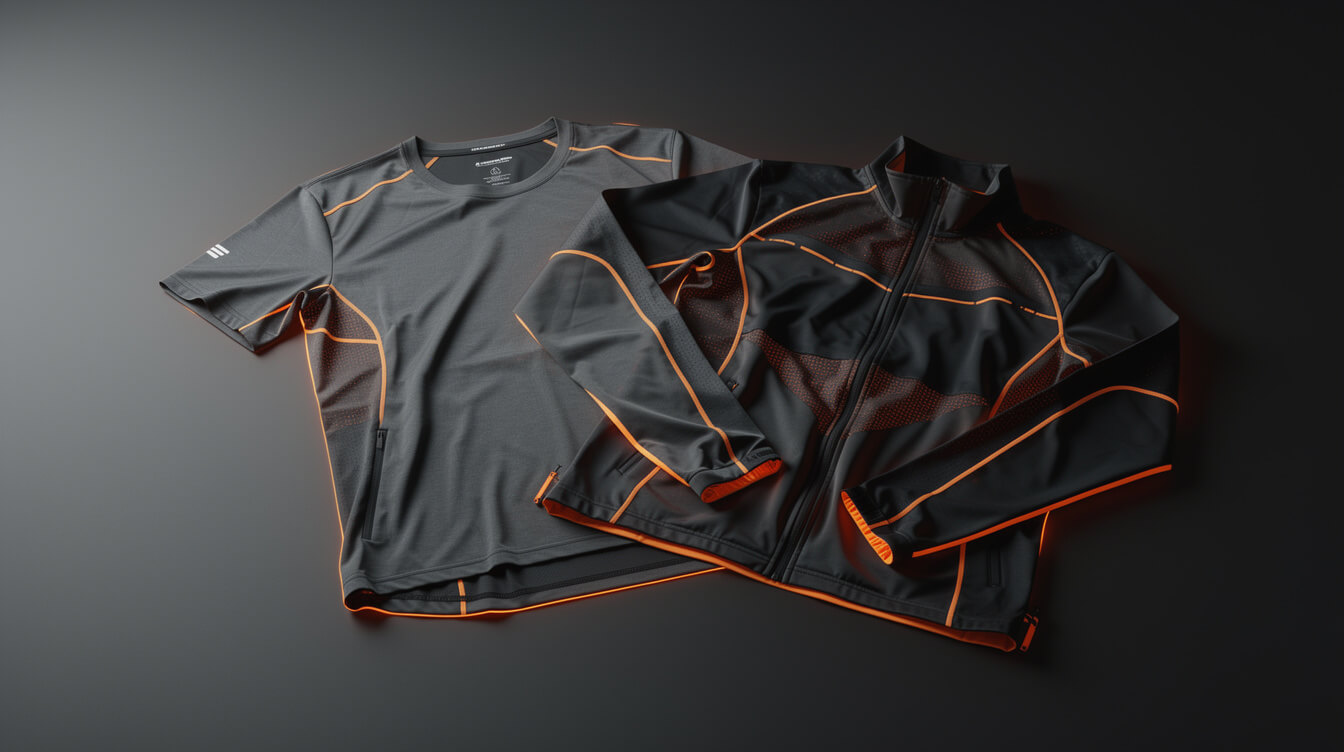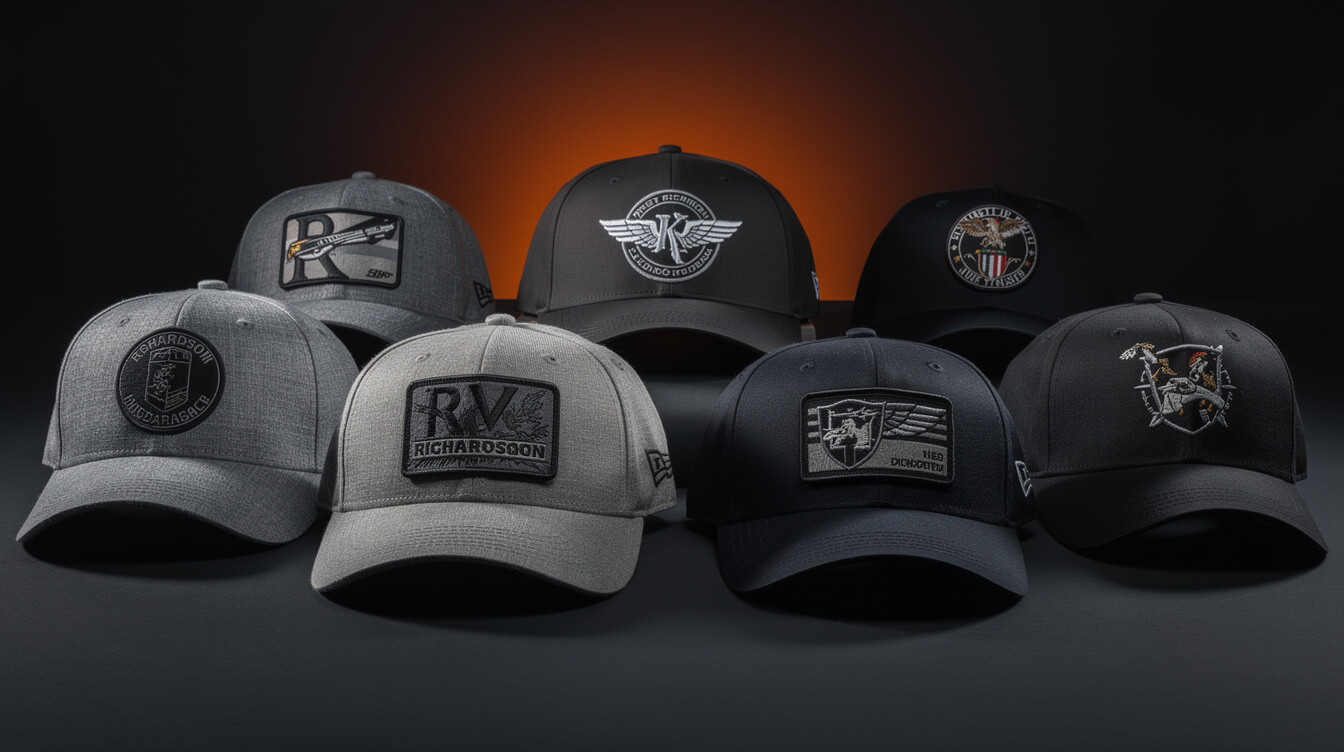
Custom embroidery shirts for POD sellers: how embroidery differs from DTG, which providers carry it, and the unit cost math
Custom embroidery shirts have a price point problem in the POD market. Every search result is a B2B embroidery vendor targeting corporate HR managers ordering 200 polo shirts with a company logo. There is almost nothing for individual print-on-demand sellers who want to add custom embroidery shirts to their catalog, understand which Printful or Printify products actually support embroidery, and know what they will make per sale. This guide fills that gap. It covers the embroidery-versus-DTG decision framework, the stitch count pricing structure, provider availability in 2026, the unit economics from base cost to retail margin, and seven niche verticals where embroidery consistently outperforms digital print.
Embroidery vs DTG vs screen print on shirts: the POD seller’s decision framework
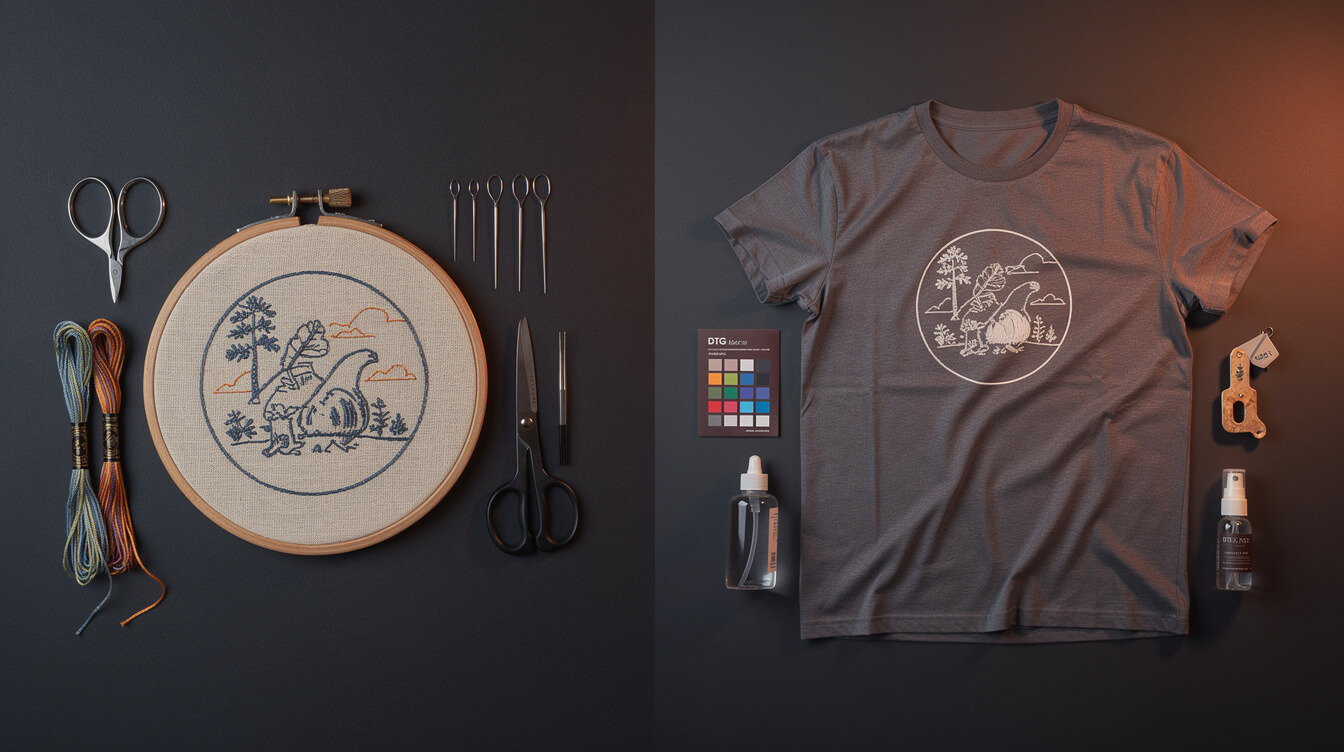
Before adding embroidered shirts to your store, you need to know what the three main print methods can and cannot do. Each has a different cost structure, design constraint, and customer expectation attached to it.
Direct-to-garment (DTG) uses inkjet technology to print full-color images directly onto fabric. It handles photorealistic designs, gradients, and photographs with no minimum order. Base costs at Printful run $14-19 for a standard cotton tee. The limitation is longevity. DTG prints on low-quality blends fade faster than embroidery, and DTG cannot produce the raised, textured look that defines premium branded apparel.
Screen print applies ink through a mesh screen, one color at a time. It produces vivid, durable prints with excellent wash resistance. The problem is setup cost and minimum order requirements. Running a screen print job on a 1-3 piece order is economically nonsensical. Screen print is a batch production method, not a no-MOQ POD method. Most print-on-demand platforms do not offer screen print for individual orders.
Embroidery stitches thread directly into the fabric using a multi-needle machine guided by a digitized design file. The result is a raised, dimensional logo that does not crack, fade, or peel. It is the premium standard for workwear, corporate branded apparel, and any product where the buyer associates the look with quality. The constraint is design type. Embroidery works for solid-vector artwork: logos, monograms, geometric shapes, clean typography. It does not work for photorealistic images, gradients, or designs with more than 15 thread colors.
The decision rule is straightforward. If your customer wants a photograph on their shirt, use DTG. If they want a logo, monogram, or branded mark that looks premium and lasts 200 washes, use embroidery. For high-volume batches of a single design, screen print is worth exploring outside POD. For no-MOQ dropshipping, embroidery and DTG are your two viable options.
One more constraint: embroidery has a minimum feature size. Lettering smaller than 0.25 inches typically loses legibility. This rules out designs with fine detail or small text. If your brand needs intricate illustration work, DTG is the better method. If your brand is built around a clean logo mark, embroidery delivers a result that justifies a $42-65 retail price point.
Which POD providers offer custom embroidery shirts in 2026
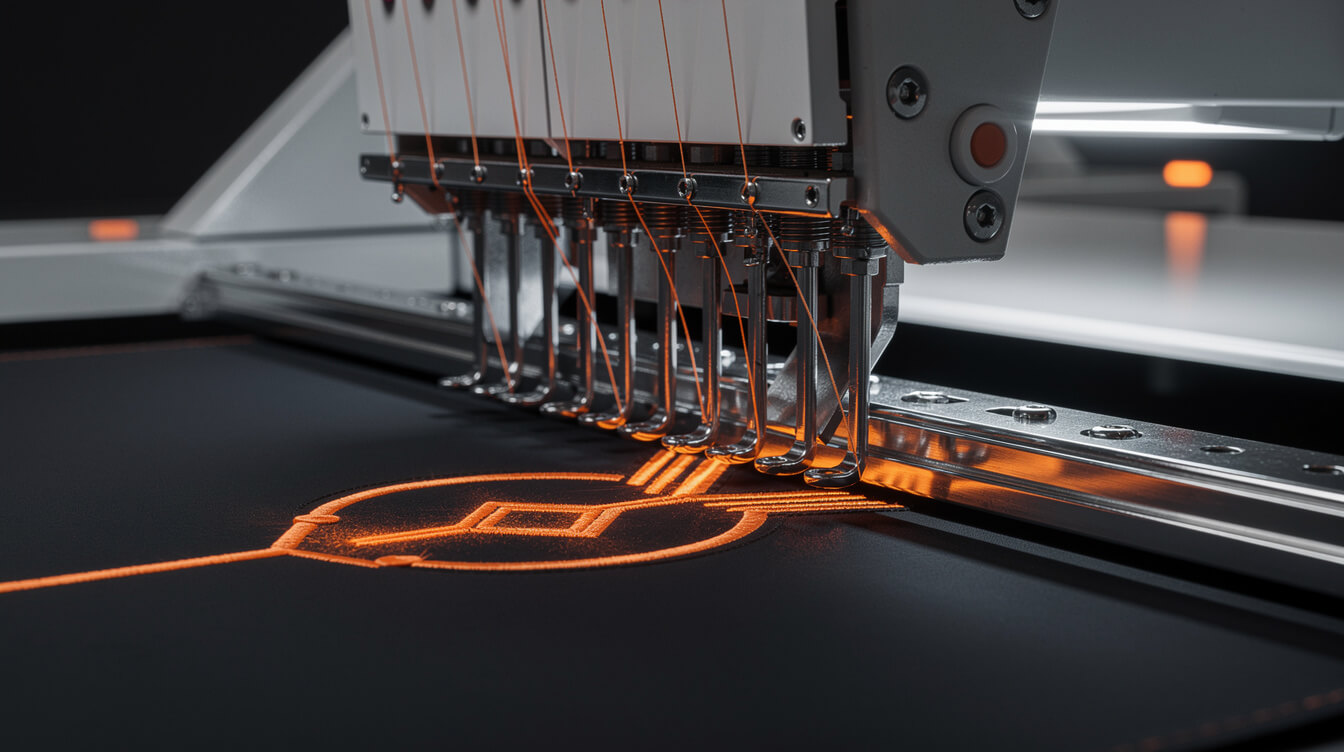
Not every POD platform offers embroidery on shirts. Here is where the market actually stands.
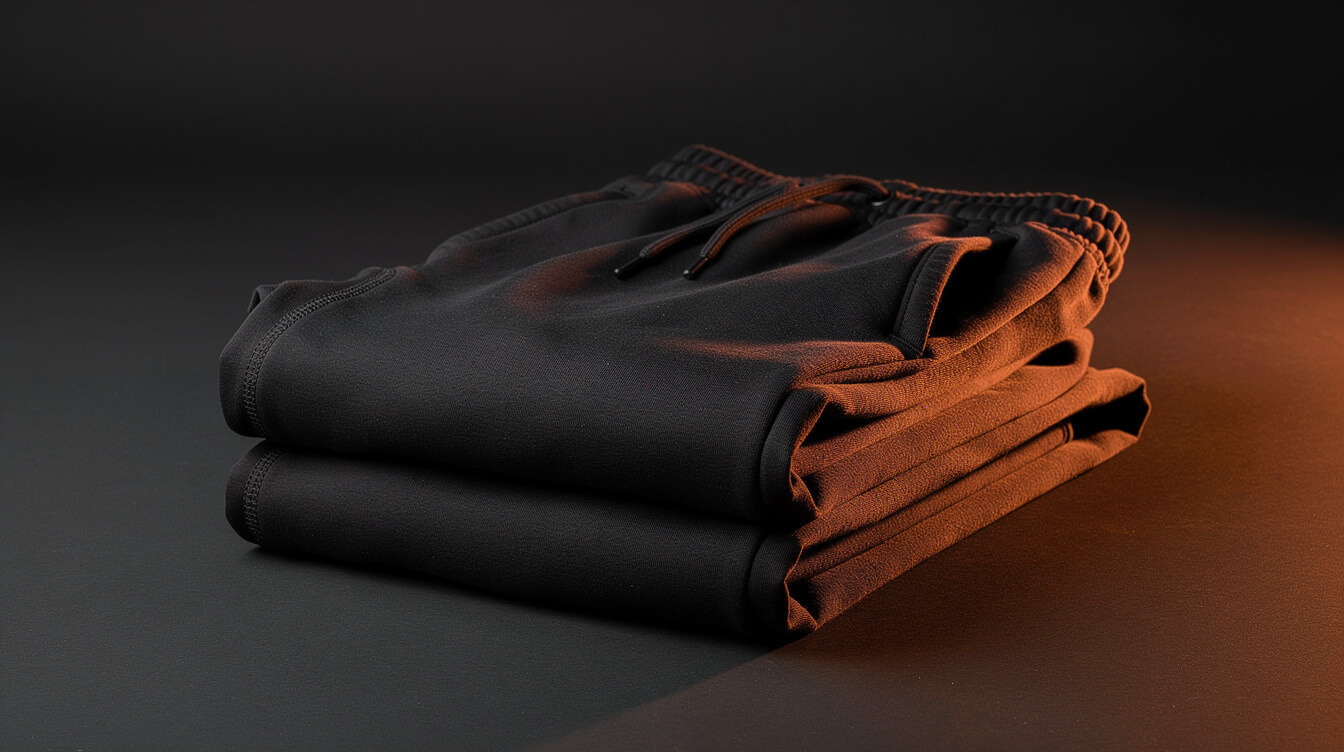
Printful is the most established POD provider with embroidery. They offer it on polo shirts, structured tees, and a range of headwear. Digitizing is included in the base price for most designs under 7,500 stitches, which covers standard chest logos and left-chest placements. Printful operates their own production facilities in North America and Europe, which gives them better quality consistency than network-model providers. The polo shirt base price runs $22-28 depending on the garment. Embroidered tees run $18-24 base.
Printify operates a network model with multiple print providers. Embroidery availability depends on which vendor you are assigned in your region. Check the Printify product catalog directly when building listings. The network model can produce lower base costs, but quality consistency varies more than with Printful. Always order a sample before listing at scale.
CustomCat offers embroidery at competitive base prices in the $14-18 range and has solid US production infrastructure. Their catalog includes polo shirts and structured caps with embroidery. CustomCat is worth evaluating if margin is your primary constraint.
Gooten provides embroidery options with strong international reach, useful if you are selling into European or Australian markets where US-centric providers have slower fulfillment.
Two things to verify with any provider before committing: first, whether digitizing fees are included or billed separately per order. Second, the stitch count limits for the included digitizing tier. Run a sample order through your intended provider before writing listings that promise specific embroidery placements.
For POD sellers building on WooCommerce versus Shopify, provider compatibility matters at the integration layer. Printful and Printify both have native WooCommerce plugins that handle order routing, inventory sync, and fulfillment status updates automatically.
How stitch count determines your custom embroidery shirts base cost
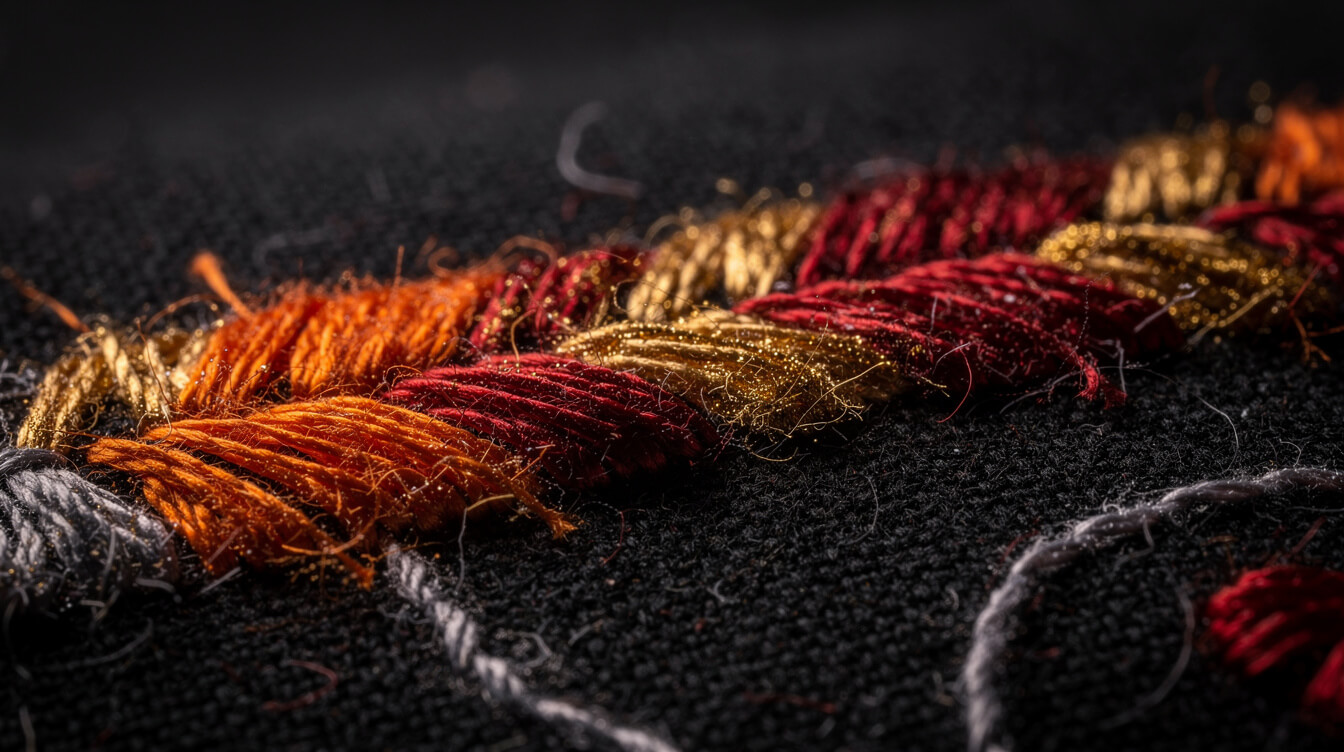
Stitch count is the primary variable in embroidery pricing. Every design is translated into a sequence of individual stitches by digitizing software. More stitches means more machine time and more thread. The relationship between design complexity and stitch count determines whether your product is economically competitive.
Here is what typical designs produce in stitch counts:
- Small left-chest logo (3 inches wide): 3,500-5,000 stitches. Standard for polo shirts and structured caps. This range is covered by Printful’s included digitizing for most designs.
- Medium chest logo (4-5 inches): 5,000-8,000 stitches. Still manageable at most POD providers, but verify whether digitizing is included or billed separately above 7,500 stitches.
- Large chest or full-front design: 10,000-15,000 stitches. This tier may push into a higher stitch tier with adjusted pricing at some providers. Full back designs typically run 15,000-25,000 stitches.
Thread color limits also shape design feasibility. Most POD embroidery providers cap designs at 12-15 thread colors. This is not a practical constraint for most logo work, but it eliminates any design that relies on color gradients or blended hues. If your brand has a multi-color illustrated logo, simplify it to a solid-color variant before submitting for embroidery.
The stitch count ceiling also defines physical minimum feature size. A design element smaller than 0.25 inches (6mm) typically produces illegible stitching. This matters for any brand that wants their name or tagline embroidered in small text below the primary mark. Test small text with a sample order before listing.
Digitizing converts your artwork into a machine-readable stitch file. Printful includes digitizing in their base price for standard logo designs. If you are working with a provider that charges separately for digitizing, budget $10-25 for the one-time fee. That fee is not repeated on subsequent orders of the same design, which means your effective per-unit cost drops after the first order.
The unit cost math: custom embroidery shirts from $18 base to $65 retail
Smash print-on-demand. Join the engine room.
One short email a week. Real numbers, real teardowns, the unfiltered economics behind every move.
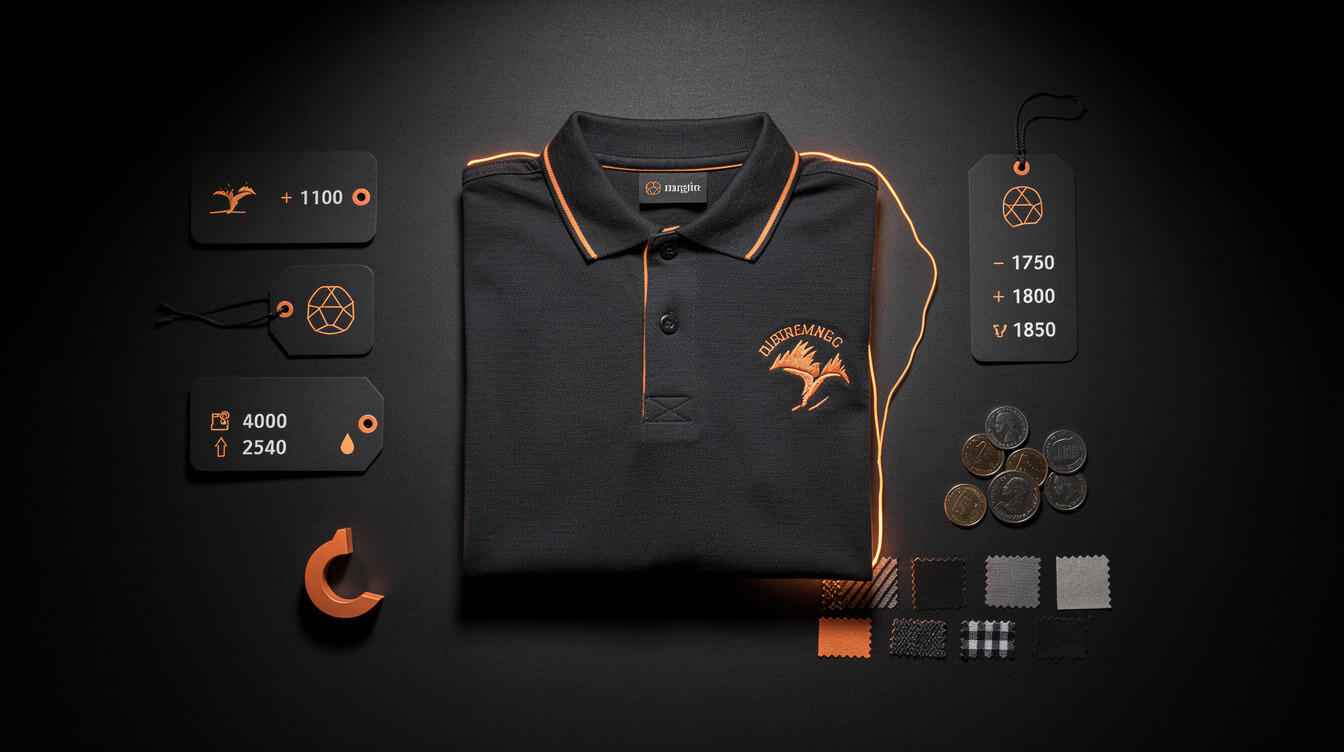
Here is what the numbers actually look like for a POD seller building an embroidered shirt line.
Embroidered polo (Printful, standard chest logo):
- Base cost: $22-28 (varies by garment and colorway)
- Shipping to customer: $4.50-6.00
- Total landed cost: $26.50-34.00
- Retail price: $42-55
- Gross margin: 26-46% (approximately $11-21 gross per unit)
Embroidered tee (Printful, standard chest logo):
- Base cost: $18-24
- Shipping: $4.50-6.00
- Total landed cost: $22.50-30.00
- Retail price: $38-50
- Gross margin: 27-46% (approximately $10-20 gross per unit)
Compare this to a standard DTG tee: Printful Bella+Canvas 3001 base at $14-18, landing at $18.50-24, retail $28-38, gross margin 24-37%. The embroidered polo commands a higher retail price point, producing more gross dollars per order even when the percentage margin is similar.
For a seller doing 100 orders per month on embroidered polos at $48 average order value, the monthly gross at 38% margin is approximately $1,824. The same volume on a $32 DTG tee at 30% margin produces $960. The embroidery retail premium more than offsets the higher base cost.
Bundle math also works well for embroidered products. A 2-shirt bundle at $75-85 retail (polo plus tee, matching logo) keeps margins healthy while raising AOV substantially. For corporate and team buyers who need identical shirts for multiple staff, bundles align with real purchasing behavior.
MEGA automates product listing setup for embroidered shirt SKUs on WooCommerce, including title generation, SEO metadata, and variant setup for multiple colorways. Try MEGA if you are building an embroidered apparel line and want the listing pipeline handled automatically.
Managing custom embroidery shirt orders in WooCommerce
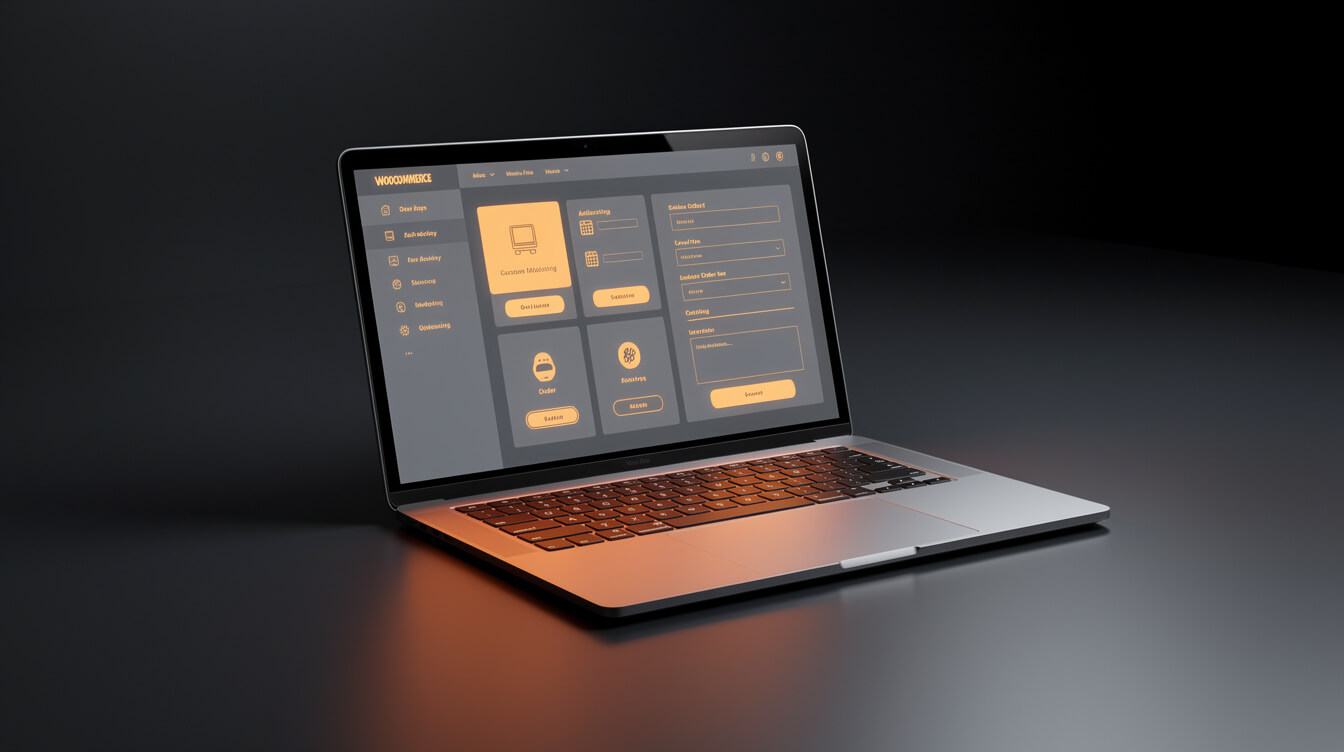
The embroidery workflow creates a specific order management challenge. For custom embroidery shirts with personalization, such as a customer’s name, initials, or custom text, you need a way to capture that information at checkout and route it to your fulfillment provider correctly.
WooCommerce supports custom product fields natively through product options. You can add a text field labeled “Personalization text” directly to the product page without any additional plugin. The text entered by the customer appears in the order notes, which you then include in the order submission to Printful or your chosen provider. This is a zero-cost solution that handles most embroidery personalization use cases out of the box.
For more complex workflows where customers need to upload their own artwork file, common for corporate orders where the buyer has an existing brand guide or logo file, WooCommerce supports file attachment fields through the product options system. The uploaded file appears in the order notes alongside the personalization text, giving you everything you need to process the order in a single view.
Shopify requires a $19-49 per month app to add custom text fields or file upload options to product pages. At 200 embroidered shirt orders per month, that app cost is $2.64-6.86 per order before you count the platform override fee. For a seller whose margin per embroidered shirt is $15-21, a $5 per-order overhead from a personalization app is significant margin drag.
Order routing to Printful from WooCommerce is handled by the official Printful plugin. Orders with personalization text in the notes are routed automatically, and you can configure the personalization text to pass through to the print file specification during design setup. For sellers using Printify, the equivalent plugin handles the same routing.
This operational advantage is one of the clearest arguments for WooCommerce over Shopify for custom sportswear and embroidered apparel. The native tools handle personalization at zero marginal cost per order, versus a recurring app subscription that compounds with every order you take.
Generate embroidered shirt listings in under 7 minutes
MEGA is the research-to-product pipeline for POD sellers. Connect Printful, feed a niche idea, and MEGA handles image generation, sizing, titles, SEO, and full WooCommerce listings automatically.
Shopify 1% override on $42-65 AOV: the custom embroidery shirts fee math

The Shopify 1% platform override applies to every order regardless of product type. But its impact is amplified by AOV. For custom embroidery shirts at $42-65 average order value, the override produces a specific monthly cost that compounds at scale.
Here is the fee math at 200 orders per month:
- Average order value: $52 (midpoint of $42-65 range)
- Monthly revenue: $10,400
- Shopify 1% override: $104 per month ($1,248 per year)
- Shopify Basic plan: $39/month ($468 per year)
- Personalization app for custom text fields: $19-49/month ($228-588 per year)
- Total Shopify overhead: $1,944-2,304 per year
On WooCommerce with Printful integration:
- WooCommerce hosting: $15-40/month ($180-480 per year)
- Custom text fields: $0 (native product options)
- Printful WooCommerce plugin: free
- Total WooCommerce overhead: $180-480 per year
At 200 orders per month, Shopify costs $1,464-2,124 more per year than WooCommerce for an embroidered shirt store. That is $7.32-10.62 per order in platform overhead before product cost. On a $52 order with $17-20 gross margin, that overhead is 36-62% of your profit margin going to platform fees rather than back to the business.
The gap widens as volume increases. At 500 orders per month on Shopify, the 1% override alone reaches $3,120 per year. WooCommerce hosting stays fixed whether you take 200 or 2,000 orders. For embroidered shirt sellers with any real volume ambition, the economics favor WooCommerce by an increasingly wide margin.
There is also an ownership angle specific to embroidery customers. Corporate and team buyers place repeat orders, often annually for staff refreshes or new hires. On WooCommerce, you own the customer relationship fully. You can export customer lists, set up account-based ordering, and give corporate buyers a login that shows their order history. Shopify restricts this in ways that matter for the repeat-order B2B-adjacent buying pattern that embroidered shirts attract.
7 niche verticals where custom embroidery shirts outperform DTG
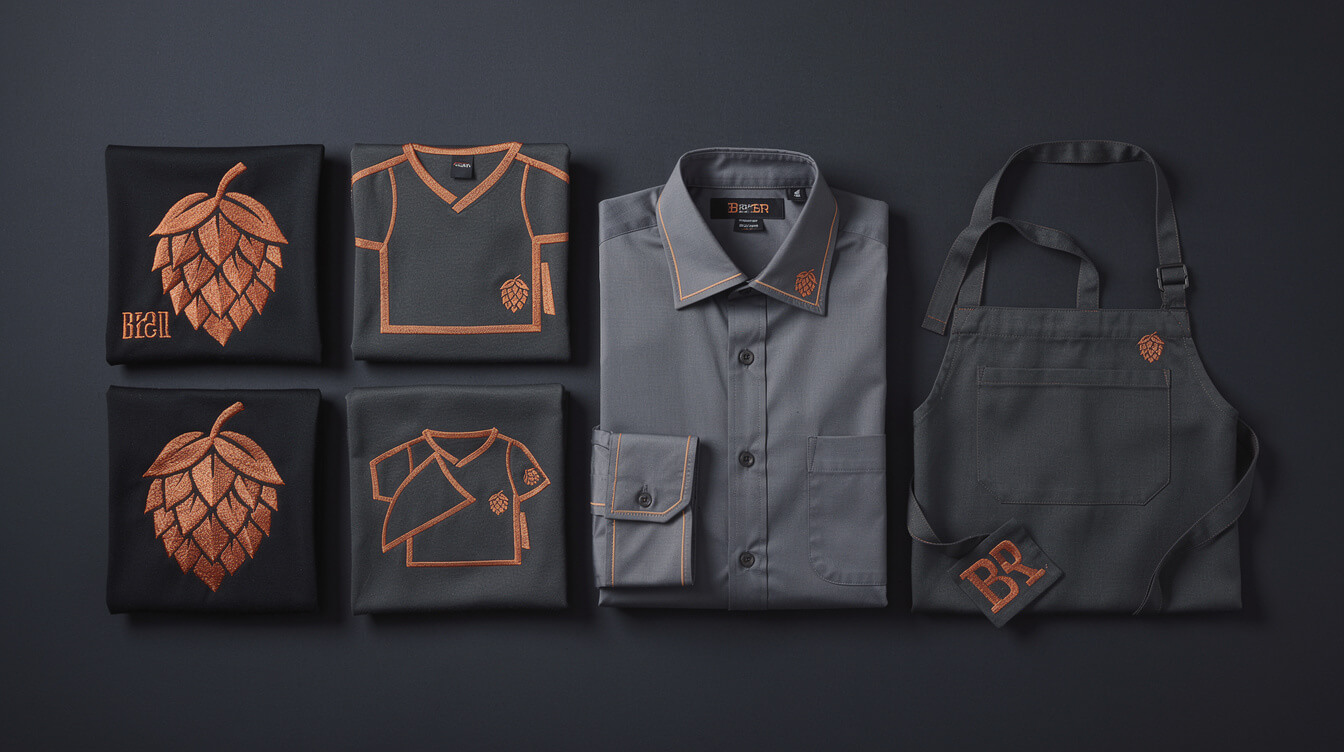
Embroidery is not the right tool for every niche. But in these seven verticals, it outperforms DTG for reasons tied to buyer psychology, durability requirements, or AOV potential.
1. Craft brewery and taproom merchandise. Craft beer buyers identify heavily with their local brewery brand. A $52 embroidered polo reads as craft and quality in a way a $28 DTG tee does not. Staff uniforms, branded merchandise, and event apparel all fall here. Craft brewery orders tend to run 12-24 units per engagement with quarterly repeat orders as staff turns over.
2. Restaurant, cafe, and hospitality staff uniforms. Food service businesses need durable, professional-looking uniforms that survive industrial washing. Embroidery holds up where DTG fades. A restaurant with 10-20 staff turning over two to three times per year is a recurring 20-60 shirt order annually. At $48 per unit on WooCommerce with no override fee, that is $960-2,880 in recurring revenue from a single account.
3. Youth and adult sports teams. Custom sports jerseys sell well in POD because team buyers have high identity investment. Embroidered warm-up shirts, coach polos, and team staff apparel complement jersey sales at higher AOV. Team apparel sales tend to happen in seasonal clusters, creating predictable demand windows.
4. School clubs and organizations. Student government, drama clubs, athletics boosters, and parent organizations all need branded apparel on tight budgets and inconsistent order sizes. POD embroidery handles one-off orders and 50-unit runs equally. The annual refresh cycle creates predictable repeat business from a single decision-maker.
5. Small business branded kits. Businesses launching or rebranding need staff shirts, customer-facing apparel, and promotional items in small quantities. Small business buyers are often tax-deducting the purchase, making them less price-sensitive than retail consumers. Premium embroidery at $52 per unit versus a $28 DTG tee is a smaller relative decision when it is a deductible business expense.
6. Music artists and tour merchandise. An embroidered crewneck or polo for a limited tour run commands $55-75 at the merch table. For independent musicians who care about brand presentation, a raised-thread logo reads as premium versus a printed graphic that any fan could produce at home. The limited-run nature of tour merchandise also protects perceived scarcity value.
7. Corporate brand kits for remote teams. Companies with distributed workforces increasingly send branded welcome kits to new hires. An embroidered polo or zip pullover is a common component. Orders run 5-25 units per engagement at $55-75 retail, with quarterly follow-up orders as headcount grows. A company hiring 50 people per year at 15 units per cohort is 750 units annually. That is the highest-LTV buyer segment in the embroidery niche, and WooCommerce’s native account and order management makes it workable without custom development.
All seven niches share a common thread: the buyer is purchasing embroidered apparel as a brand investment, not just a product. That psychology supports the premium price point and higher AOV that makes embroidery economically competitive despite its higher base cost versus DTG.
Conclusion: is adding custom embroidery shirts the right move for your POD store?
Custom embroidery shirts are not the right choice for every POD catalog. If your store is built around photorealistic designs, gradients, or artistic illustration, DTG remains the better technical match. Embroidery’s constraints on halftones and small feature detail are real and no amount of stitch count optimization will overcome them.
But if your store targets any of the seven niches covered above, embroidery adds a product tier that commands $42-65 retail, creates repeat purchase behavior from corporate and team buyers, and builds brand association around quality and permanence that DTG products cannot match on their own.
The unit economics work at scale. A Printful embroidered polo at $22-28 base, retailing at $48-55, returns 38-48% gross margin with digitizing included for standard logo designs. On WooCommerce, you capture that margin without a 1% platform override eating $1,248 per year at 200 orders per month. The native WooCommerce custom fields handle personalization at zero additional cost, removing the $228-588 per year Shopify app expense from the math entirely.
For sellers ready to build a custom embroidery shirts line efficiently, a research-first approach that validates the niche before investing in listing infrastructure makes the most sense. MEGA automates the research-to-listing pipeline for WooCommerce POD stores, handling product titles, SEO, image generation, and variant setup for new product lines including wall art, apparel, and accessories.
Implement AI. 30x your throughput. Get a 30-min call with the founder.
Drop your details and book a free 30-minute discovery call. Personalized advice on your POD stack, your margin, and where AI fits. No pitch, no fluff.