
MEGA Research vs Muse: What’s the Difference?
People mix these two up all the time, and it makes sense — both are part of the MEGA flywheel. But they do opposite jobs. Here’s the cleanest way to hold it:
- MEGA Research = “what should I make?” (demand intelligence)
- Muse = “make it, beautifully” (design generation)
One line to remember: Research finds the demand; Muse supplies the supply.
MEGA Research — the intelligence layer
It scrapes the market and tells you what will sell before you spend a minute designing.
Seven sources — Reddit, Etsy, Amazon, search results, Google Trends, Redbubble, and TeePublic — feed a niche scan, then a dossier, then territories, then product picks. It’s grounded in real demand signals, and the winners get stored as a corpus so future research retrieves proven patterns.
- Input: a niche (e.g. “pickleball”)
- Output: evidence-backed ideas and territories — the themes, phrases, and concepts the market is actually buying
- Question it answers: Is there demand, and for what?
Muse — the design studio
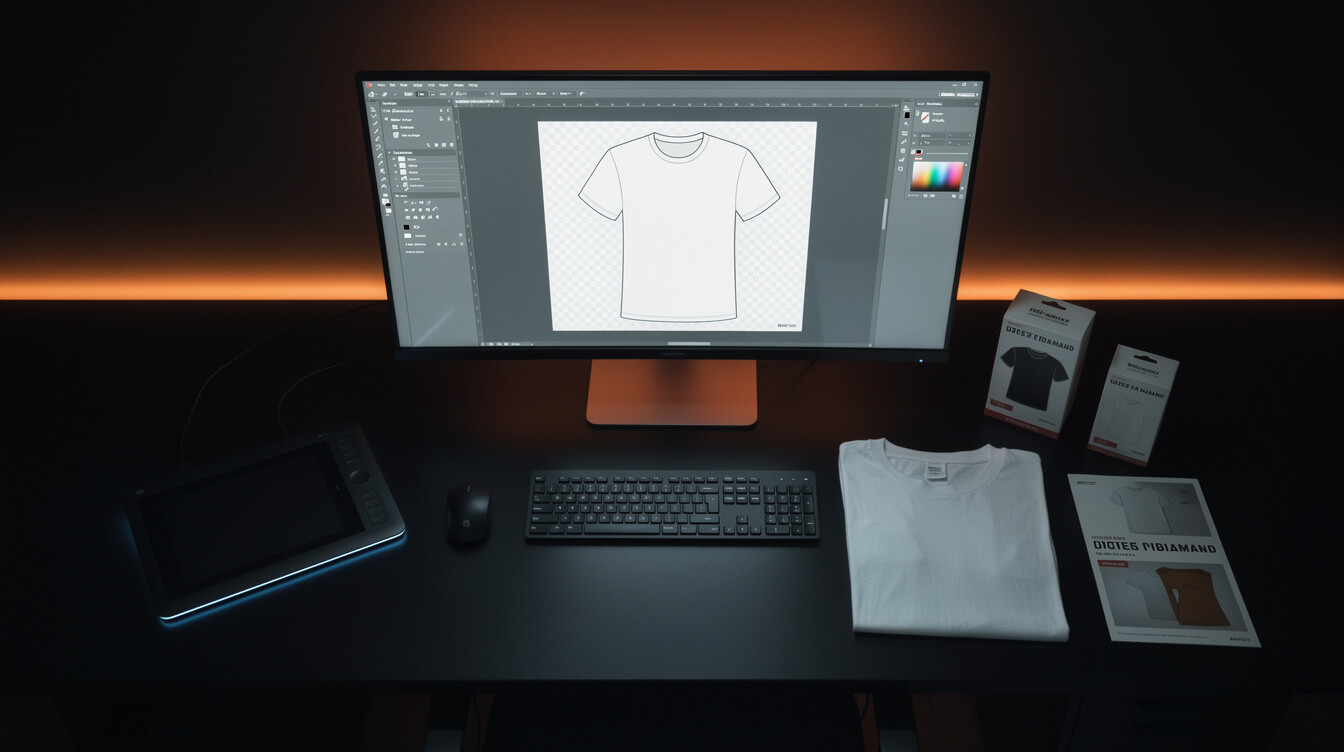
It takes a brief and generates the actual artwork.
A brief becomes about 10 concepts, each with a light and a dark sibling — roughly 20 designs — that land in your own gallery. You triage them (approve, pass, or deny), and Send to MEGA ports an approved design straight into the product creator, ready for background removal and a product pick. Its moat is taste: a real design engine plus an anti-slop critic and per-brand doctrine — not generic AI slop.
- Input: a creative brief (often informed by Research)
- Output: finished, on-brand designs you can put on a product
- Question it answers: What does the thing actually look like?
How they fit together

Smash print-on-demand. Join the engine room.
One short email a week. Real numbers, real teardowns, the unfiltered economics behind every move.
Think of it as a pipeline:
MEGA Research (what to make) → Muse (the design) → MEGA product creator (the product) → Meta Ads (which design wins) → sales feed back into the Research corpus.
Research doesn’t just come before Muse — it plugs into it. The Research niche dossier becomes creative fuel that Muse layers on top of a brand’s design doctrine. So the loop compounds: the more you research and sell, the smarter both halves get.
Research finds the demand; Muse supplies the supply.