Custom golf polo shirts for POD stores: unit cost math, sublimation vs embroidery, and the golf niche buyer profile
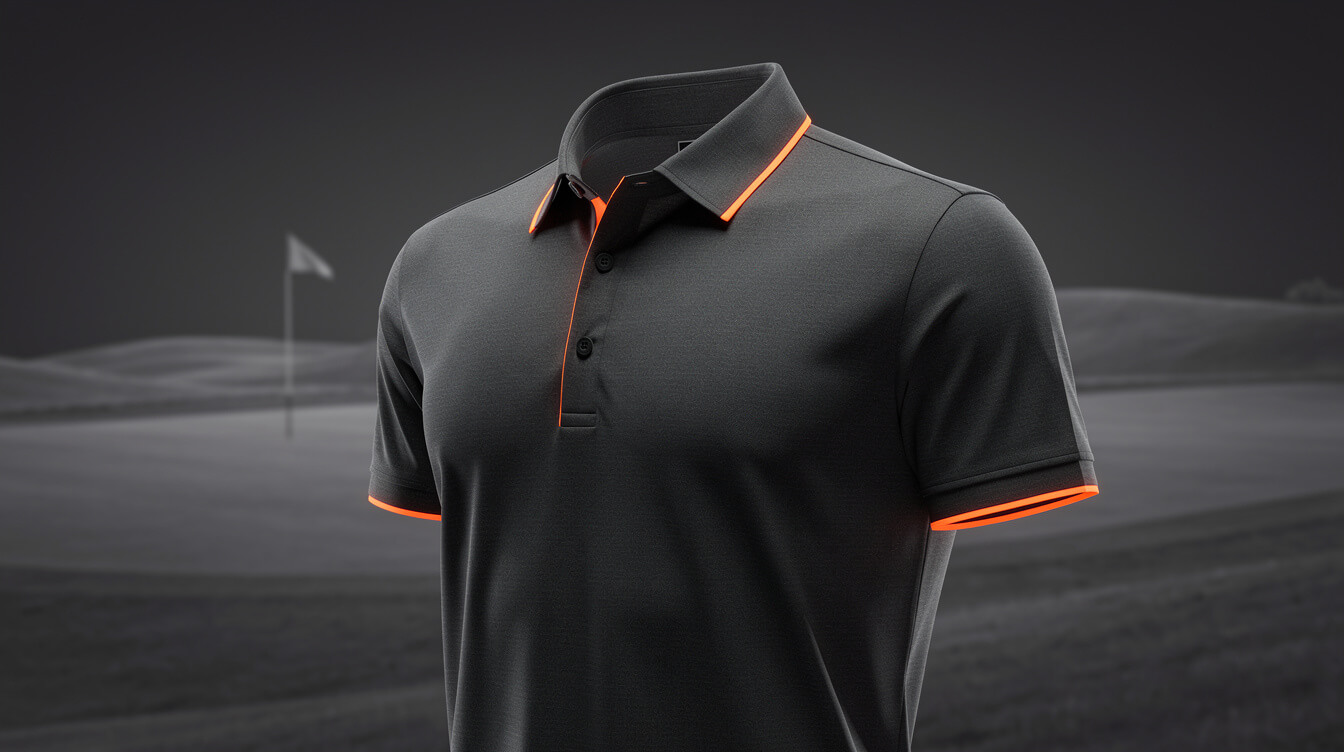
If you sell print-on-demand apparel, you have probably noticed that most POD sellers default to the same products: standard tees, hoodies, and hats. The custom golf polo shirt barely registers. That is a mistake. At $70 to $100 average order value, the golf polo is one of the highest-margin items a no-inventory POD store can carry. And with a search volume of 1,900 monthly searches and a difficulty score of 0, the editorial gap for sellers who want to understand the actual catalog options, print methods, and economics is wide open.
This post covers everything a POD seller needs to know about adding custom golf polo shirts to their store: which providers carry them, sublimation vs embroidery as print methods, unit cost math at low volumes, and the specific buyer profile that makes golf apparel a repeat-purchase category.
Why custom golf polo shirts are a high-margin POD product
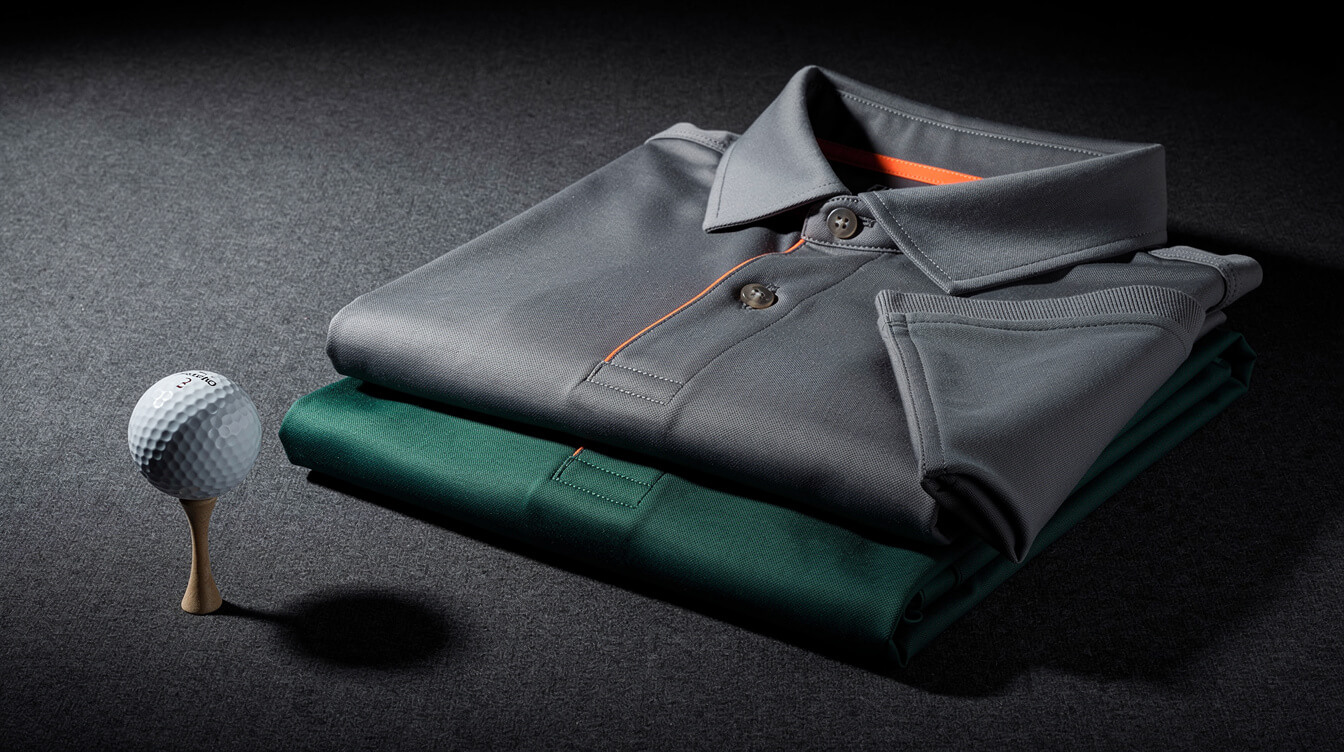
The average print-on-demand tee sells for $22 to $28. A custom golf polo shirt retails for $70 to $100, sometimes more for performance blends. That three-to-four times AOV difference matters a lot when you are paying fixed fulfillment and shipping costs on every order.
Here is a simple illustration. A store selling five tees per week at $25 each generates $125 in revenue. A store selling five golf polos per week at $85 each generates $425 in revenue. The fulfillment workflow is nearly identical. You design once, upload once, and let the print partner handle production and shipping.
Beyond AOV, golf apparel has structural repeat-purchase behavior. Tournament organizers come back every year. Corporate sponsors order new kits for each conference season. Club pro shops reorder when inventory runs low. This is not the one-and-done gifting dynamic you see with tee-shirt stores. The golf niche rewards sellers who build durable relationships with specific buyer types.
Most POD sellers overlook this category because they assume it requires embroidery equipment, minimum order quantities, or specialized supplier relationships. None of that is true with the current Printful and Printify catalogs. The barrier is lower than it looks.
Golf polo shirts also attract buyers with higher disposable income and lower price sensitivity. A corporate buyer ordering 15 polos for a charity scramble does not negotiate on a $5 discount. A tournament director sourcing 30 shirts for player packets wants consistency and professional presentation more than the cheapest possible blank. That profile gives you pricing power that generic tee-shirt niches rarely offer.
What Printful and Printify actually carry: golf polo catalog options and blank specs
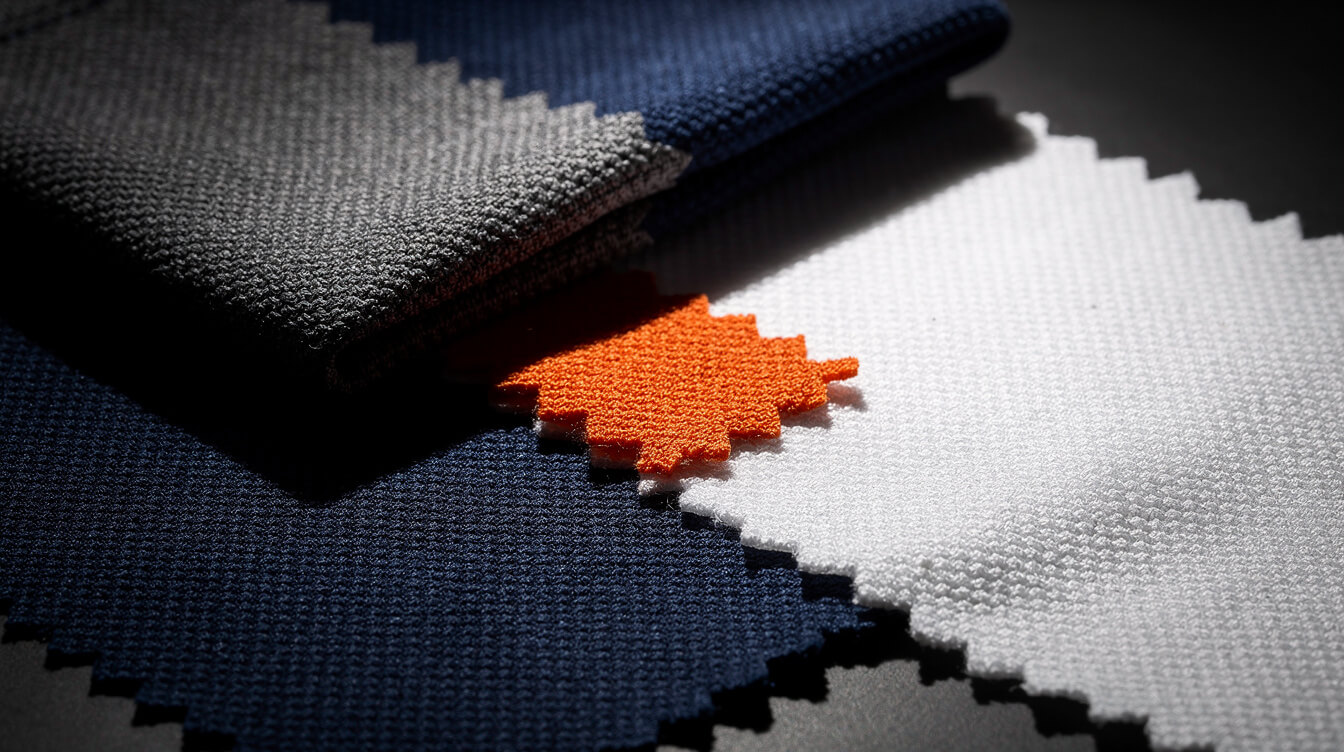
Let me start with what the two dominant POD platforms actually carry, because this is where many sellers get confused. The POD polo shirt catalog is narrower than the tee-shirt catalog, but it is workable for most golf niche use cases.
Printful: Printful carries embroidered polo shirts through its catalog, primarily Gildan-compatible blanks and select premium performance fabrics. The core offering is a classic polo with a chest embroidery position. Printful also carries all-over-print (AOP) polo options in some markets, though these use a different production route and fabric. For a golf niche store, the Printful embroidered polo is the most reliable starting point. It ships from US, European, and Mexican fulfillment centers, which keeps delivery times reasonable for North American and EU buyers. Expect base production costs in the $22 to $28 range before markup and shipping.
Printify: Printify’s network includes MWW On Demand, AOP Factory, and several other print partners that carry polo shirts. Printify’s catalog is broader in some respects because you can swap between print partners, but quality and consistency vary more than they do with Printful’s vertically integrated model. For golf niche sellers who need consistent color reproduction on performance fabrics, Printful’s tighter quality control is worth the slightly higher base cost.
What to check on blank specs: Golf-specific buyers care about a few things that generic tee buyers do not. Moisture-wicking fabric is table stakes for anyone who actually wears the shirt on a course. Pique knit texture signals quality to golfers. Collar construction matters for the overall look. Before setting up a product listing, verify whether your chosen POD partner’s polo uses a pique or jersey knit, and confirm the fabric blend. A 100% polyester polo opens the sublimation route. A cotton-heavy blend limits you to embroidery for logo placement.
As of mid-2026, the standard Printful polo catalog covers sizes S through 4XL in the embroidered variant, which handles most buyer size ranges without custom requests. For a tournament organizer ordering 30 shirts across a range of sizes, that coverage matters.
Sublimation vs embroidery for custom golf polo shirts: which print method fits a no-inventory store
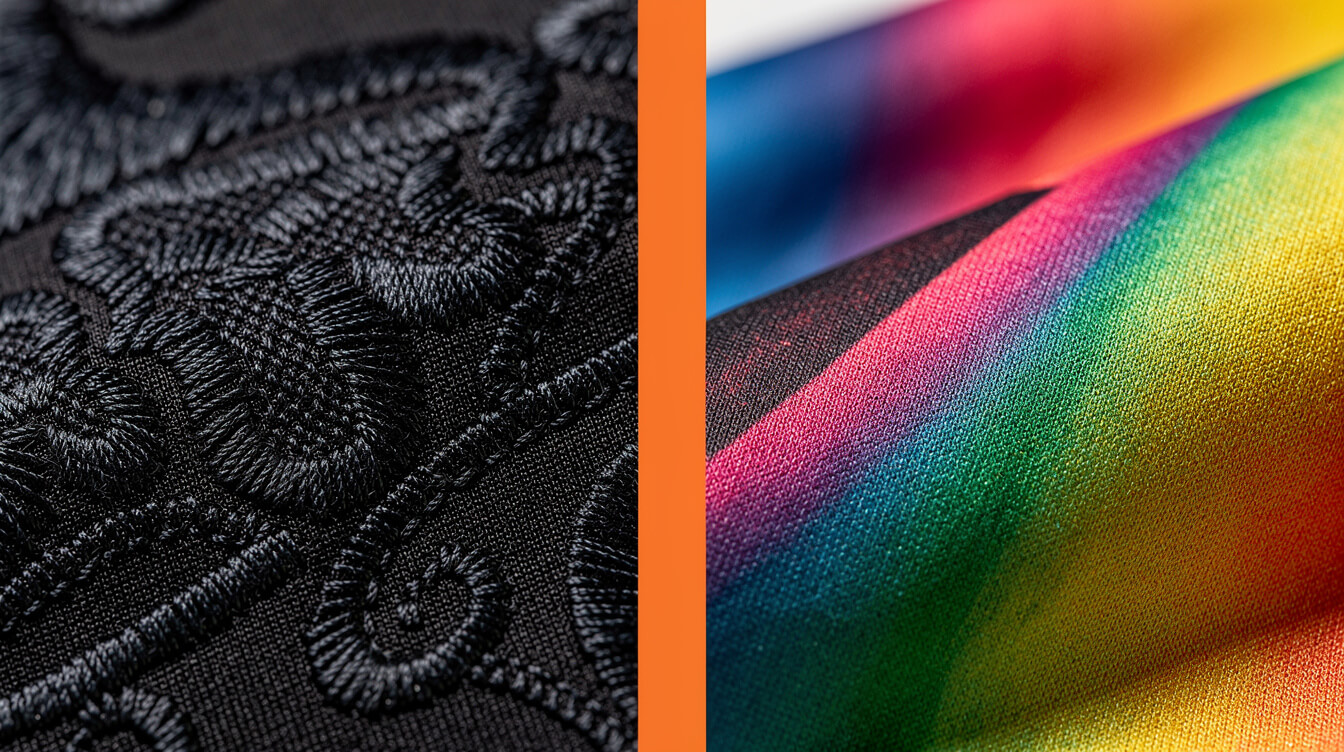
This is the decision that trips up most new POD sellers in the golf niche. Embroidery and sublimation produce completely different results, and each has a different production cost structure.
Embroidery: Embroidery sews thread directly into the fabric. It produces a raised, textured logo that most corporate buyers associate with premium quality. The look is conservative and professional, which matches the aesthetic preferences of tournament organizers, corporate sponsors, and club pro shops. The economics have one notable wrinkle: digitization. Before Printful can embroider your design, they need to convert it to a stitch file. This is a one-time fee, currently around $0 to $4.99 for simpler designs or up to $14.99 for complex artwork. You pay the digitization fee once. After that, every embroidered unit uses the same stitch file at no additional digitization cost. The per-unit embroidery cost varies by stitch count, with typical chest logo placements running $8 to $14 on top of the blank cost.
One practical implication: embroidery works on any fabric composition, including cotton-polyester blends. That flexibility means you are not limited to 100% polyester blanks.
Sublimation: Dye sublimation infuses ink directly into the polyester fibers under heat and pressure. The result is a full-fabric print with no raised texture and unlimited color gradient capability. A sublimated polo can carry a complex design across the entire shirt, which makes it ideal for sports teams, esports organizations, and buyers who want a distinctive performance look rather than a logo-on-chest corporate style. The critical constraint: sublimation only works on 100% polyester or high-polyester-blend fabrics. On a cotton polo, the dye will not bond properly and the print will fade rapidly.
For most golf niche POD stores, embroidery is the correct starting choice. The buyer profile in golf skews toward conservative presentation. A chest embroidered logo on a solid-color performance polo is what tournament directors buy. Sublimation makes sense if you are targeting golf lifestyle brands or esports teams that want a bolder aesthetic.
You can carry both in a single WooCommerce store. Set up an embroidered polo product for the corporate segment, and a sublimated AOP polo product for the streetwear-adjacent golf niche. For a deeper look at how embroidery costs stack across apparel categories, see the custom embroidered sweatshirt guide, which walks through digitization fee math that applies directly to the polo embroidery calculation.
Unit cost math at 1, 10, and 50 units: POD vs dedicated golf vendors

Smash print-on-demand. Join the engine room.
One short email a week. Real numbers, real teardowns, the unfiltered economics behind every move.
This is where the economics of POD golf polos get interesting. Let me run the numbers at three volume levels.
At 1 unit: Printful embroidered polo, standard chest logo, US fulfillment. Base product cost approximately $26 to $30. Embroidery add-on approximately $8 to $12. Shipping approximately $5 to $8 domestic. Total landed cost to you: roughly $39 to $50. At a retail price of $75, that is a gross margin of $25 to $36 per unit, or 33% to 48%. That is a workable margin for a discovery order from a new customer testing your store.
At 10 units: POD pricing does not drop on a per-unit basis the way wholesale does. Your cost at 10 units is essentially 10 times your single-unit cost. However, your customer is now placing a $750 order, and you have zero inventory risk. You collected $750 before a single shirt was printed. The margin math holds, and you never touched a box.
At 50 units: This is where dedicated golf vendors start to look attractive on paper. LogoSoftwear, one of the larger no-minimum golf shirt vendors, charges $64.99 to $102.99 per polo. ThreadLogic runs from $70 to $82 for their classic and modern fit embroidered golf shirts. At 50 units, a buyer going direct to a local embroidery vendor might pay $18 to $24 per polo, significantly undercutting your Printful-based price.
The question for a POD seller is whether your customer will comparison-shop that way. Corporate tournament directors rarely do. They value the convenience of online ordering, per-unit personalization, and no-minimum flexibility far more than shaving $8 per shirt. A 30-shirt tournament order where each player gets a personalized polo with their own name on it is simply not possible through a bulk embroidery vendor at any reasonable price. That personalization premium is where POD wins.
The manual Canva workflow that most POD sellers still use does not scale to a category like golf apparel, where you need consistent product variants across multiple colorways, sizes, and personalization options. MEGA automates the research-to-product pipeline end-to-end, so you can build out a full golf apparel catalog without the per-product time cost that makes most sellers stop at five listings.
Also worth checking: the full custom polo shirt guide covers the broader economics of polo POD, including the corporate client math that applies across all polo categories, not just the golf niche.

Build your golf polo catalog in under 7 minutes
MEGA handles research, image generation, sizing, mockups, titles, SEO, and full product listings on Printful and WooCommerce. No Canva. No manual uploads. One pipeline from niche idea to live product.
The golf niche buyer profile: tournament organizers, corporate sponsors, club pro shops, and charity fundraisers

Understanding who buys custom golf polo shirts in bulk changes how you position your store, your product listings, and your pricing. There are four distinct buyer types in this category.
Tournament organizers: Golf tournaments, from charity scrambles to corporate invitationals, almost universally give players a branded polo as part of the entry package. The organizer is buying consistency across a size range, a professional finish, and reliable delivery before the event date. They typically order 20 to 100 shirts per event. Most tournaments are annual, which means a satisfied organizer becomes a repeat buyer at the same volume every year. Price sensitivity is moderate. They will pay $75 to $85 per polo for a clean product delivered on time, without the hassle of dealing with a local shop’s minimum order and production timeline.
Corporate sponsors: Companies that sponsor golf tournaments, charity events, or executive retreats want polo shirts as branded swag for attendees or as team uniforms. The quantities vary widely, from 10 shirts for a small executive outing to 200 for a major corporate event. Corporate buyers care about logo accuracy, consistent color across units, and a professional chest placement. They are usually working with a marketing or events budget that has already been approved, which makes them low-friction buyers compared to individual consumers comparing prices across five tabs.
Club pro shops: Golf clubs with pro shops sometimes use custom polos as resale inventory or staff uniforms. The volumes here are smaller, typically 10 to 30 units, but the relationship can be ongoing. A pro shop that orders staff uniforms every spring is a reliable recurring account. For a WooCommerce store targeting this segment, building a simple wholesale pricing tier can capture this demand without any minimum-order infrastructure on your end.
Charity fundraisers: Charity golf events are among the largest single-event buyers of custom golf polos. A charity scramble with 120 players generates an order of 120 shirts, often with personalization such as a player name on the collar or sleeve. The charity’s procurement committee is buying on behalf of the event, and they value ease of ordering and a professional final product over price. That is a clear POD value proposition.
For store positioning, the most direct path to these buyers is SEO content that speaks to their specific event type. Dedicated landing pages for tournament polo shirts, corporate golf event apparel, and charity scramble packages put you in front of search intent that generic polo vendors do not serve editorially. For the embroidery economics that underpin the quality expectation in this buyer segment, see the custom embroidered hat guide, which covers digitization fees and stitch-count math in detail.
The Shopify 1% override on an $80 custom golf polo sale: why WooCommerce changes the math

At $80 average order value per polo, the Shopify platform fee does more damage than it does on a $22 tee. Here is the actual cost breakdown.
Shopify charges a 1% override fee on all external payment transactions on its Basic plan. On a single $80 golf polo sale, that is $0.80 in platform tax on top of the standard payment processing fee. On 50 units sold per month, that is $40 in pure platform override fees every month, or $480 per year, before you count the Shopify subscription fee itself ($29/month on Basic) and the apps you inevitably add for print-on-demand integration, reviews, upsells, and email marketing.
Run the full Shopify stack math: $29 Shopify subscription, $40 platform override on 50 polos, $30 to $80 in app fees. That is $99 to $149 per month in overhead before you sell a single unit. At 50 polo units sold, your revenue is $4,000. Your platform overhead is $99 to $149, or 2.5% to 3.7% of revenue before product costs.
WooCommerce on owned hosting eliminates the 1% override entirely. You pay for hosting, typically $10 to $25 per month on a managed plan, and any WooCommerce extensions you choose. The Printful and Printify integration plugins cost nothing. Payment processing through Stripe or PayPal runs at the standard 2.9% plus $0.30 per transaction, identical to what you pay on Shopify.
At 50 golf polo units per month at $80, the annual savings from eliminating the Shopify override is approximately $480. At 100 units per month, it is approximately $960. That is real margin recovered without changing your product, your design, or your marketing.
There is also the question of data ownership. A WooCommerce store gives you direct access to your customer email list, purchase history, and analytics without platform mediation. For a golf niche store building repeat relationships with tournament organizers and corporate buyers, owning that customer data matters. You can reach out to last year’s tournament organizer in March to check whether they are planning an event. Shopify technically allows this too, but the platform sits between you and your customers in ways that owned WooCommerce infrastructure does not.
Final thoughts: building a golf polo niche in a store that owns its margin
Custom golf polo shirts represent one of the clearest high-AOV opportunities in print on demand right now. The SERP for editorial content is empty. The buyer profile is repeat-purchase and relatively price-insensitive. The catalog options from Printful and Printify are sufficient to serve the core tournament, corporate, and club market segments without any inventory commitment.
The two decisions that matter most: choosing between embroidery and sublimation based on your target buyer, and choosing a platform that does not take a percentage cut of every high-value transaction. A WooCommerce store with Printful integration and a clean product catalog gives you both the product flexibility and the platform economics to make the margin work at any volume.
For POD sellers building out an apparel catalog beyond golf, the custom embroidered jacket guide covers adjacent product economics, including the corporate buyer math that overlaps heavily with the golf polo buyer profile.
Implement AI. 30x your throughput. Get a 30-min call with the founder.
Drop your details and book a free 30-minute discovery call. Personalized advice on your POD stack, your margin, and where AI fits. No pitch, no fluff.