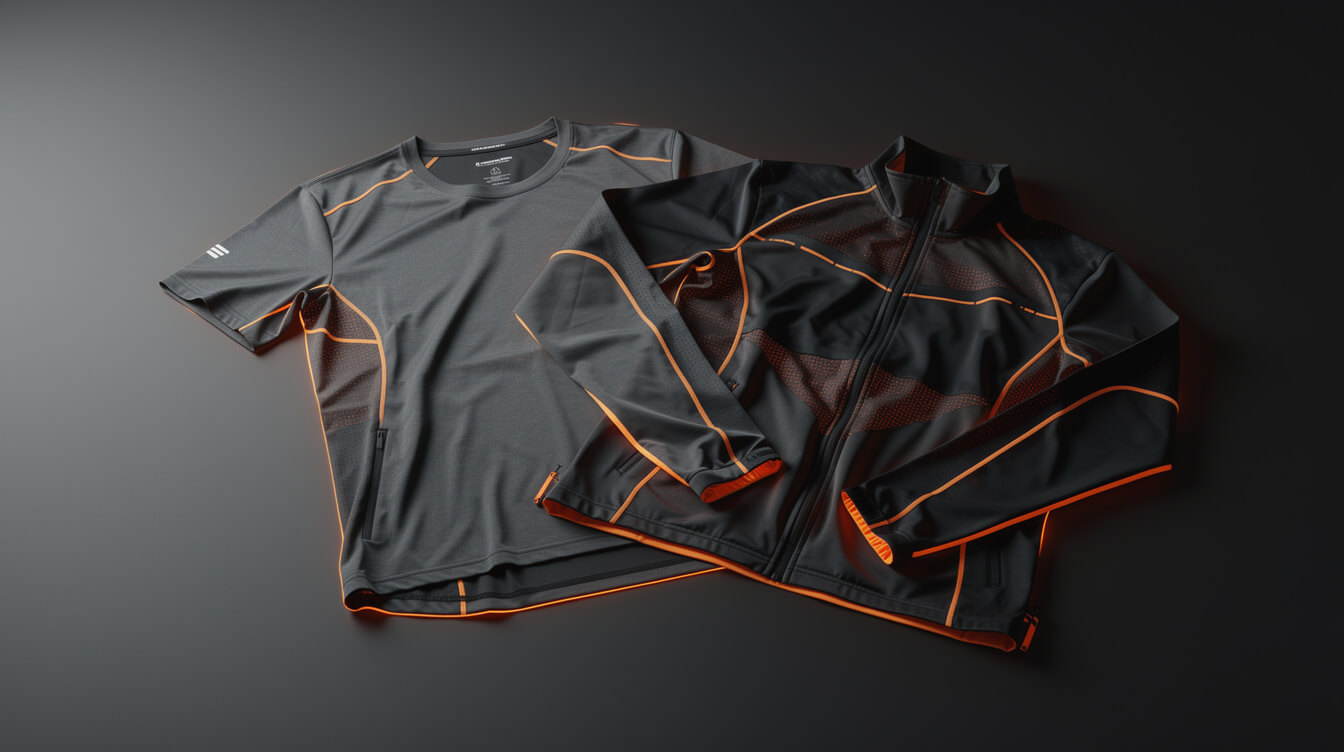
Custom embroidered jackets for POD stores: unit cost math, provider comparison, and when embroidery beats screen print
If you search for custom embroidered jacket, the results you get back are not built for you. They are built for HR managers ordering 200 fleeces with a company logo. Every top-ranking page sells bulk minimums, group discounts, and corporate uniform programs. For a print-on-demand seller who wants to add one embroidered jacket style to an owned WooCommerce store, the search results are essentially useless. This post is the editorial that does not exist yet: a ground-level look at what custom embroidered jackets actually cost in a no-inventory POD setup, which providers support them, how the digitization fee math works at 1, 10, and 50 orders, and whether WooCommerce or Shopify protects your margin on a $75-95 product.
What the SERP gets wrong: custom embroidered jackets serve corporate bulk buyers, not POD sellers
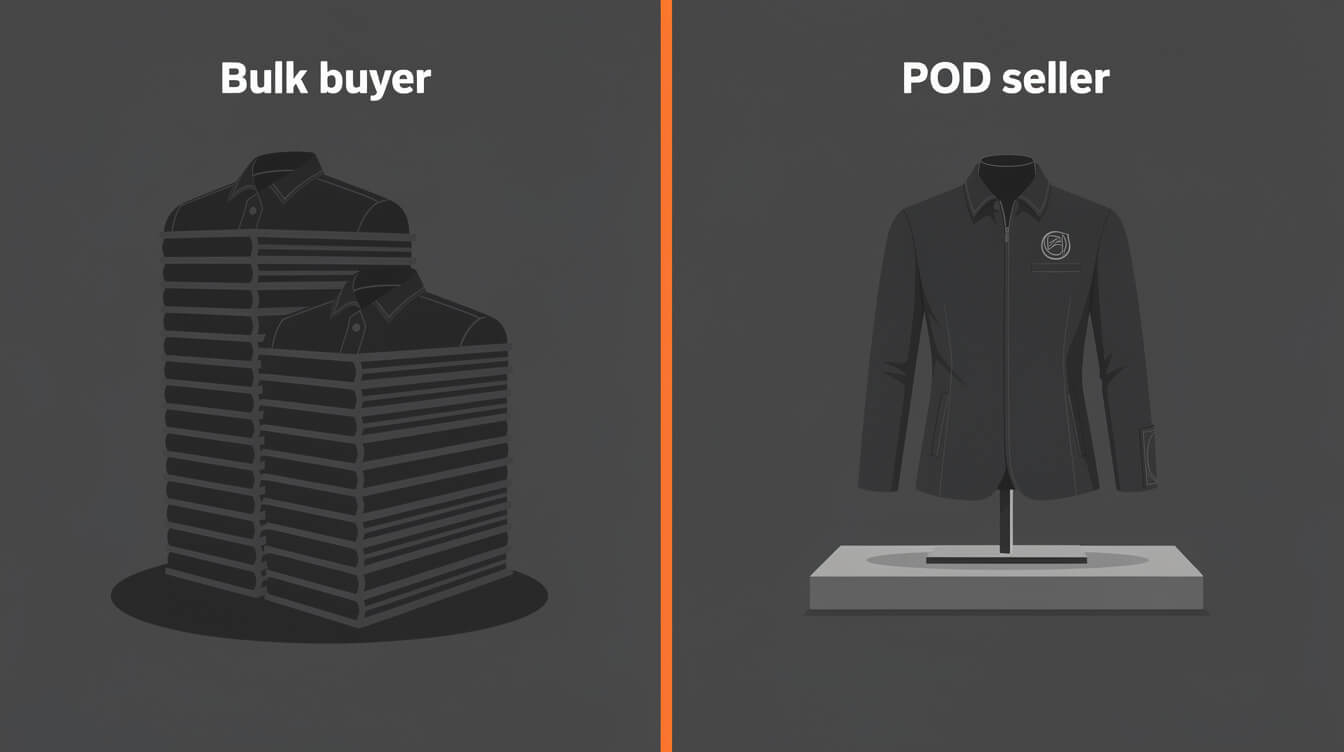
The top five results for “custom embroidered jacket” are Carhartt workwear configurators, Lands End Business, Corporate Casuals, and Stitch America. Every page leads with minimum order quantities, corporate account pricing, and bulk discount tiers. None of them address the economics of a POD seller who wants to list a single embroidered bomber on WooCommerce and fulfill it on demand.
That gap is the entire reason this post exists. The corporate bulk buyer and the POD seller share a keyword but have completely different economics. A corporate buyer ordering 100 jackets can absorb a $25 digitization fee across the run and end up paying $2.50 per unit. A POD seller fulfilling one jacket at a time has to absorb the full digitization fee on the first sale, which changes the break-even math dramatically.
The other thing the SERP misses is the platform layer. Carhartt and Lands End do not care whether you are on Shopify or WooCommerce. But for a POD seller, the platform decision is a margin decision, especially at the $75-95 price point where embroidered outerwear lives. More on that in a later section. First, the foundational question: do the major POD providers actually offer embroidered jackets?
Answering that question requires a real catalog audit, not a generic answer. The two providers most POD sellers use are Printful and Printify. Their jacket embroidery support is meaningfully different.
Do Printful and Printify offer embroidered jackets? (catalog audit)
Printful has the most developed embroidery program of any major POD provider. Their embroidery catalog includes fleece jackets, bomber-style varsity jackets, and quarter-zip pullovers. Embroidery positions on these styles typically include the front left chest, front right chest, center back (smaller designs), and left sleeve. Printful’s embroidery has no minimum order quantity, which is the core requirement for a no-inventory POD store.
The key technical detail: Printful embroidery supports up to 15,000 stitches on most jacket positions. Designs above that threshold may require a separate quote or a modified design. For context, a clean wordmark or simple logo at 3-4 inches typically runs 5,000-8,000 stitches. A detailed crest or patch-style design can reach 15,000+ stitches and may need to be split or simplified.
Printful’s digitization workflow is also straightforward. You upload a vector file (SVG or EPS preferred), and Printful converts it to an embroidery stitch file during the first order. They have historically offered free digitization for designs under a certain stitch count, though pricing on this changes periodically and sellers should verify the current policy in the Printful dashboard before building their cost model around it.
Printify’s embroidery support is more limited. Printify is a network of print providers rather than a single production facility, so embroidery availability varies by provider. Some Printify providers offer embroidery on fleece and quarter-zip styles, but the selection is narrower than Printful’s, and the digitization process is provider-dependent. If embroidery is central to your product line, Printful is the more reliable default.
A third option worth knowing: Gooten has expanded its outerwear catalog, and some of their provider network supports embroidery. If you need redundancy or are already using Gooten for other product lines, it is worth checking their current jacket embroidery catalog.
For most POD sellers starting with embroidered jackets, Printful is the anchor. The rest of this post uses Printful pricing as the baseline, with notes where Printify or an alternative applies.
Unit cost math: what a custom embroidered jacket actually costs your POD store
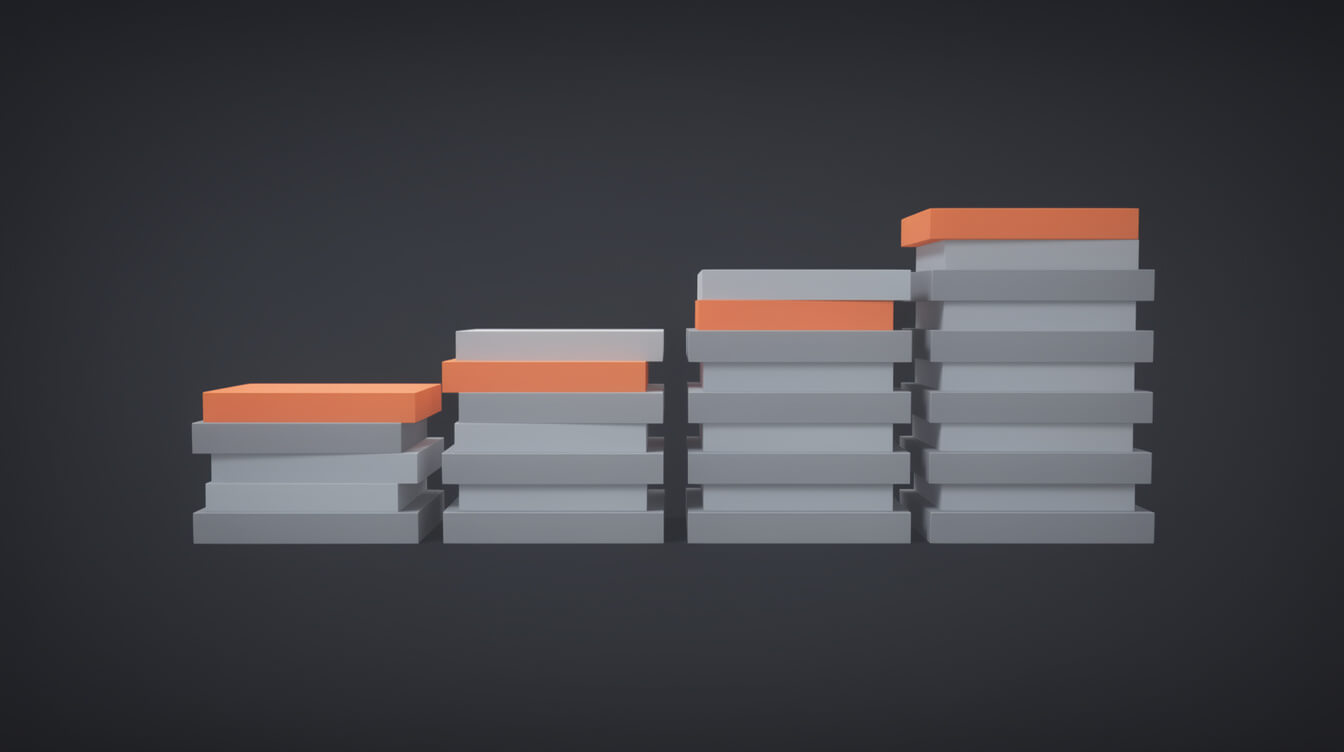
The unit cost for a custom embroidered jacket has more components than a standard print product. Here is a realistic breakdown using current Printful pricing for a mid-tier fleece jacket with front chest embroidery.
Blank garment cost varies significantly by style. A standard fleece zip-up jacket runs $35-45 from Printful as the base blank. A bomber or varsity-style jacket sits higher, typically $45-55. Premium outerwear blanks (insulated, technical fabrics) can reach $65-80 before embroidery costs are added.
Embroidery adds a thread-cost layer on top of the blank. Printful charges per stitch count. A 5,000-stitch design might add $3-5 per unit. A 12,000-stitch design might add $8-12. These numbers shift with the specific product and position, so always pull the real figure from the Printful product builder before setting your retail price.
Shipping from Printful adds $5-10 for domestic US fulfillment on outerwear, depending on weight. Jackets are heavier than t-shirts, and that weight affects the shipping calculation materially.
Put it together on a mid-range fleece jacket:
- Blank: $38
- Embroidery (8,000 stitches): $7
- Shipping: $7
- Total landed cost to customer: $52
At a retail price of $85, the gross margin is $33, or about 39%. That is a workable margin for apparel, but it leaves less room than a standard printed t-shirt where blanks are $10-15 and embroidery costs do not apply. The implication: pricing discipline matters more on jackets. Underpricing an embroidered jacket by $10 has a much larger proportional impact on margin than underpricing a $25 t-shirt by the same amount.
This is where the custom embroidered sweatshirt math becomes a useful comparison. Sweatshirts have a lower blank cost than jackets ($18-28 vs $35-55), similar embroidery charges, and comparable retail pricing potential. If you are new to the embroidery category, sweatshirts are the lower-risk entry point. Jackets are the next tier up once you have the pricing model validated.
Embroidery digitization fees: the one-time cost that makes jackets profitable at scale
Smash print-on-demand. Join the engine room.
One short email a week. Real numbers, real teardowns, the unfiltered economics behind every move.
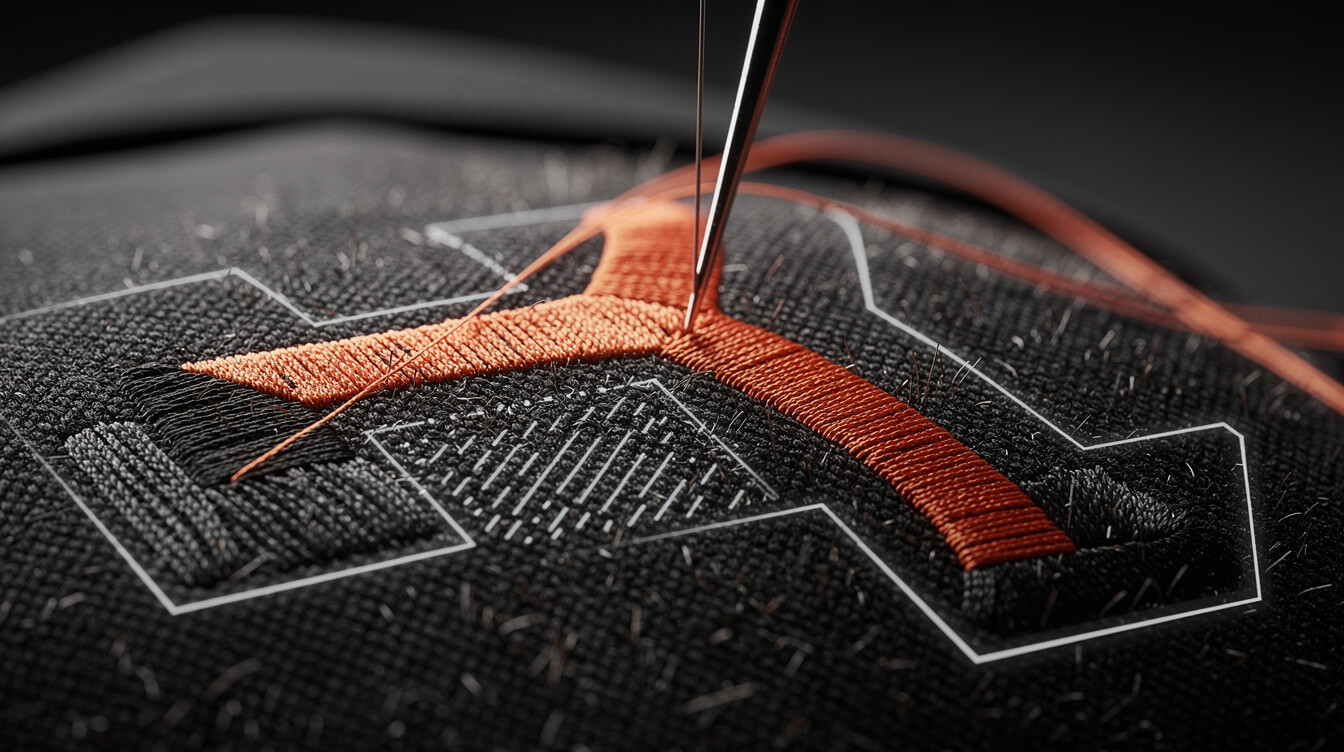
Digitization is the process of converting your vector artwork into a stitch-path file that embroidery machines can read. This is a one-time cost per design, not a per-unit cost. Understanding where it hits your margin is essential before you list an embroidered jacket.
If you are using Printful and they handle digitization for you, the fee is often absorbed into the first order or waived below a stitch threshold. Check the current Printful policy. If they charge a digitization fee, it typically ranges from $5-25 depending on design complexity.
If you are digitizing independently through a third-party service (which gives you a portable DST/PES file you can use across providers), fees run $10-30 for standard designs. Services like EmbDigitizing, PunchProfessionals, and similar shops turn around files in 24-48 hours.
Here is how digitization hits your margin at different order volumes:
Scenario: $15 digitization fee, $33 gross margin per jacket before the fee
- 1 order: $33 – $15 = $18 net margin (45% reduction)
- 5 orders: $33 – $3 = $30 net margin ($15 spread over 5 units)
- 10 orders: $33 – $1.50 = $31.50 net margin
- 50+ orders: $33 net margin (fee fully amortized, essentially zero impact)
The practical takeaway: on the first sale of a new embroidered jacket design, your margin is materially compressed. This is not a problem if you plan for it. The math works if you treat the digitization fee as a setup cost, not a recurring expense, and price your retail accordingly.
A common mistake is calculating jacket margin without factoring in the digitization fee, then feeling surprised when the first order barely breaks even. Run the math before you list the product, not after the first sale arrives.
One more note on file ownership: if Printful digitizes for you and you later want to list the same design on Printify or another provider, you may not own the stitch file. Paying for independent digitization gives you a portable file and more provider flexibility. Worth considering if you expect the design to become a core part of your catalog.
The same dynamic applies to embroidered hats. If you are already running custom embroidered hats in your store, that digitized file might work for your jacket too depending on design scale and position requirements. Check with your provider before ordering a duplicate digitization.
Shopify vs WooCommerce: how the 1% override fee hurts most on premium outerwear
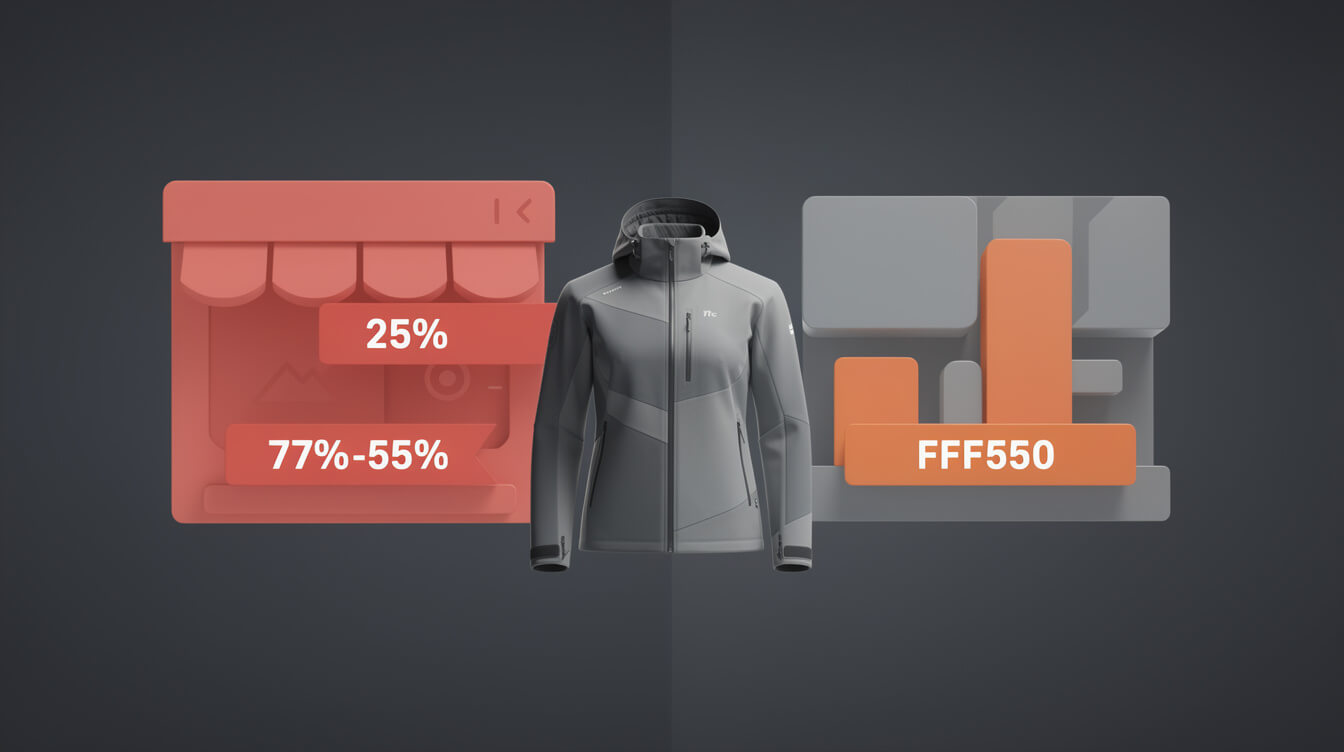
The Shopify platform fee structure deserves attention any time you are selling at higher AOVs, and embroidered jackets are a category where it matters. Shopify’s 1% platform override fee (on top of payment processing) applies per transaction on most plans. At a $25 t-shirt AOV, that is $0.25 per sale. At an $85 embroidered jacket AOV, it is $0.85 per sale.
That may sound small. Run the math at volume:
100 jacket sales/month at $85 average order value:
- Shopify 1% fee: $85/month
- WooCommerce platform fee: $0
- Annual difference: $1,020
200 jacket sales/month at $85 AOV:
- Shopify fee: $170/month
- Annual difference: $2,040
This is real money that does not improve the product, the customer experience, or your marketing. It is a tax on revenue that scales proportionally with your AOV, which means premium outerwear sellers pay it harder than t-shirt sellers.
WooCommerce runs on WordPress with no platform override fee. The Printful WooCommerce plugin is free. Hosting a WooCommerce store costs roughly $10-20/month. The infrastructure cost difference is substantial once you are moving any real jacket volume.
The counterargument is that Shopify is easier to set up and manage for operators who are not comfortable with WordPress. That is a fair tradeoff at zero revenue. At $100+/month in Shopify fees, the setup cost of WooCommerce has long since paid for itself.
If you are already running an embroidered sweatshirt or custom quarter-zip line on Shopify, the jacket expansion is the moment to model both platforms side by side. The fee math is the same structure but the absolute dollar impact per transaction is higher on outerwear than on lighter apparel.
This is not a knock on Shopify as a platform. They serve their use case well. But the economics of POD on premium outerwear are tight enough that a 1% annual tax on every sale is a meaningful decision, not a rounding error.
Jacket embroidery vs screen printing vs DTF: which method fits a no-inventory POD store
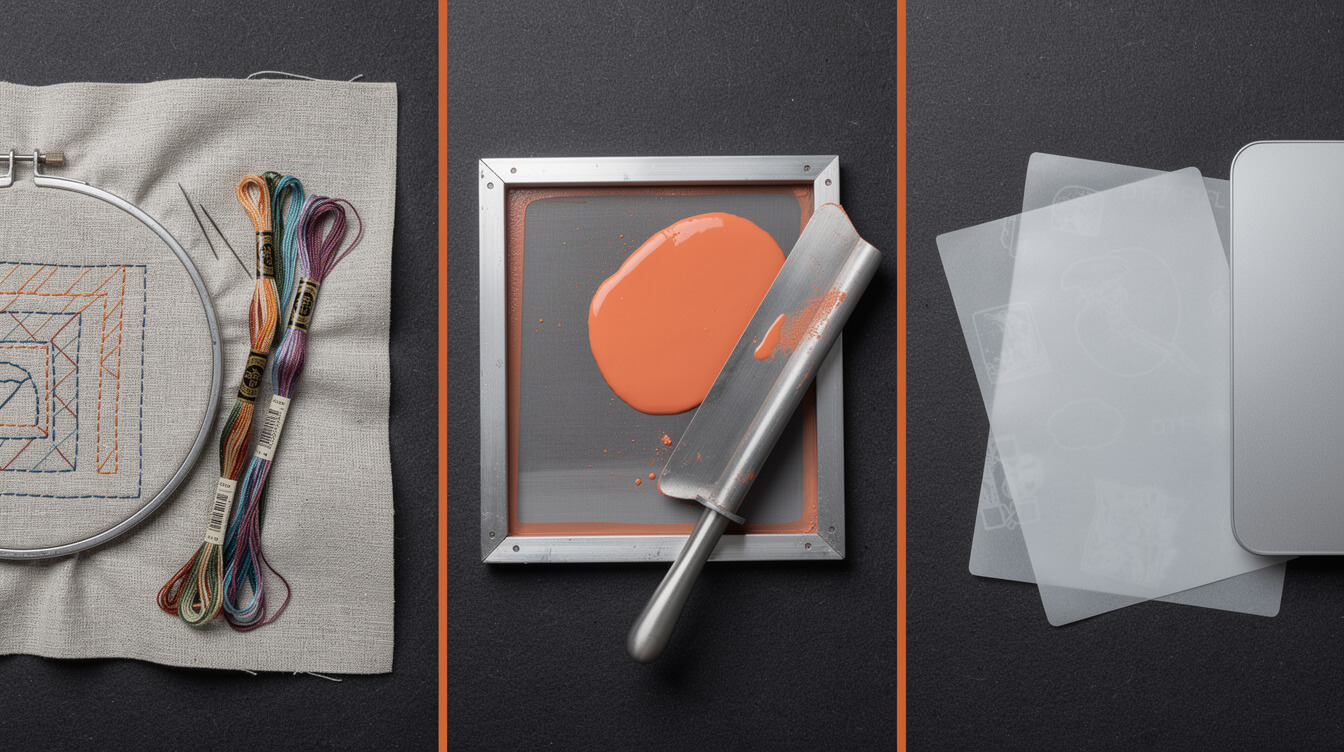
Embroidery is not the only way to decorate a jacket. Screen printing and DTF (direct-to-film) transfers are both used on outerwear. Understanding the differences helps you choose the right method for the market you are serving.
Embroidery is the premium tier. It creates a raised, textured look that reads as high quality to most buyers. It works especially well on chest logos, patches, and clean wordmarks. The limitations: complex gradients and photographic imagery do not translate well to thread. Embroidery is best for designs with clear outlines and limited colors. Cost is higher per unit than print methods, and it is slower to set up (digitization required).
Screen printing on jackets is less common in POD because traditional screen printing requires minimum runs to justify setup. Some POD providers use plastisol or water-based inks on nylon or polyester shells. The result is a flat, printed look rather than the raised texture of embroidery. For lifestyle and streetwear aesthetics, screen print can work on specific jacket fabrics. For premium corporate or structured outerwear, embroidery typically wins on perceived value.
DTF (direct-to-film) transfers are increasingly common in POD. DTF applies a printed film to the fabric using heat, allowing for full-color designs with fine detail. Unlike screen printing, DTF works at one unit. Unlike embroidery, DTF handles gradients and photo-realistic designs with no stitch count limitation. The trade-off: DTF does not have the tactile quality of embroidery. A customer who expects raised stitching and gets a smooth DTF transfer may feel they received something cheaper than advertised.
For most jacket applications in a POD store, the method choice comes down to the design and the customer:
- Logo-only or wordmark design: embroidery wins on perceived value
- Illustrated or full-color graphic: DTF is the practical choice at no-minimum scale
- Mixed design (logo + graphic elements): consider a hybrid or choose embroidery with a simplified design
This connects directly to what you are already doing in your store. If you already run a custom hoodie embroidery line, the jacket is a natural extension with the same design file. The digitization you already paid for may work on jackets if the position and stitch count are compatible with the jacket’s embroidery constraints. Check with your provider before assuming portability.
Similarly, if you run a custom sweatshirt printing line using DTF, you can often use the same workflow for jackets with DTF-compatible outer shells. The difference is that not all jacket fabrics take DTF well. Nylon shells and coated fabrics can be problematic. Test before you list.
30x your jacket product pipeline with MEGA
MEGA automates the research-to-listing workflow for POD sellers. Feed a niche, get a complete product pipeline with images, SEO titles, and WooCommerce listings in under seven minutes.
How MEGA automates the jacket product research and listing workflow
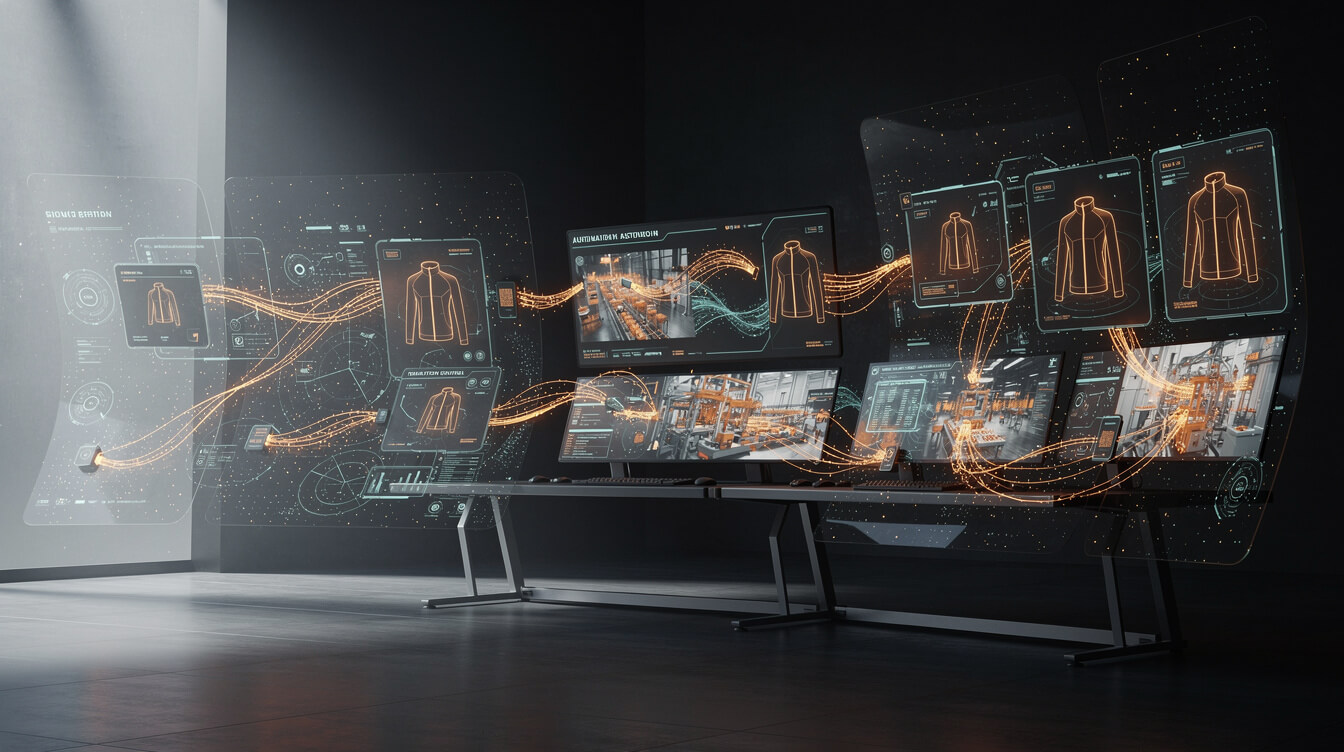
The manual path to listing a custom embroidered jacket on WooCommerce involves a sequence of decisions most sellers handle one at a time: choose a provider, build the cost model, write the product title, write the SEO description, generate a mockup, set the price, create the listing. That process takes hours on the first product and still takes 30-45 minutes per variation once you have done it before.
MEGA compresses this pipeline. You feed a niche (say, “embroidered varsity jacket for dog breeders”), and MEGA pulls provider catalog data, builds the unit cost model, generates product imagery, writes the SEO title and meta description, and creates the WooCommerce listing. The output goes from research to live product in under seven minutes. MEGA automates this entire step so you can focus on the niche selection and demand validation rather than the listing mechanics.
For embroidered jackets specifically, this matters because the product research step is more nuanced than a standard printed t-shirt. You need to know: which Printful jacket SKUs support embroidery in the positions your design requires, what stitch count your design will hit (to estimate cost), and what retail prices the market in your niche will support. MEGA handles the first two automatically by querying provider catalogs and applying the cost model. The retail price research pulls from live SERP and market data.
The result is a product pipeline that does not require you to know the Printful catalog by heart, run cost spreadsheets manually, or write 20 variations of an SEO title to find one that works. That throughput difference is the 30x claim. If a manual process produces one new jacket product listing per afternoon, MEGA produces 30 in the same time window.
This post itself is generated and published through the MEGA content pipeline. The same automation that builds product listings builds the editorial content that attracts the buyers who purchase those products. The stack is end-to-end, not just the product side.
Frequently asked questions about custom embroidered jackets for POD stores
Does Printful offer embroidered jackets with no minimum order?
Yes. Printful’s embroidery program has no minimum order quantity, which is the core requirement for a no-inventory POD store. You can fulfill a single embroidered jacket on demand without committing to bulk orders.
What is a typical digitization fee for jacket embroidery?
Fees vary by provider and design complexity. Printful has historically offered free digitization on simpler designs, while third-party digitization services charge $10-30. The fee is a one-time cost per design, not a per-unit charge. At 10+ orders of the same design, it becomes negligible.
What is the minimum stitch count where embroidery makes sense on a jacket?
There is no hard minimum. Simple designs (wordmarks, small logos) at 3,000-5,000 stitches cost the least per unit and are the easiest to digitize accurately. More complex designs above 10,000 stitches add cost but can work well for crest-style or patch-style applications.
Can I use DTF instead of embroidery on jackets?
Yes, on fabrics that accept DTF transfers. Nylon shells and coated outerwear can be problematic. DTF is better for photographic or multi-color designs; embroidery is better for logos and wordmarks where the raised texture adds perceived value.
How does the WooCommerce vs Shopify decision affect jacket margin?
Shopify’s 1% platform override fee applies to every transaction. At an $85 jacket AOV and 100 sales/month, that is $85/month or $1,020/year in fees that WooCommerce does not charge. For sellers moving meaningful jacket volume, the platform fee is a material margin decision.
Is jacket embroidery more profitable than hoodie embroidery?
Jackets have a higher blank cost than hoodies, which compresses margin at the same retail price point. However, jackets often support a higher retail price, which can offset the blank cost difference. The profitability comparison depends on your specific niche and what the market will pay. See our analysis of custom hoodie embroidery unit economics for the hoodie-side baseline.
The right provider and the right platform
Custom embroidered jackets are a premium category. They cost more to produce, sell at higher price points, and attract buyers who are comparing perceived quality as much as price. The economics reward sellers who get the cost model right, choose the right embroidery provider, and own their store on a platform that does not take a percentage of every sale.
For most POD sellers, that means Printful for the embroidery (no minimum, strong catalog, manageable digitization), WooCommerce for the platform (no transaction fee at premium AOV), and a reliable research pipeline to identify which niches are worth the higher product complexity.
The research step is where most sellers stall. Finding a niche where embroidered jackets at $85-95 will sell is not obvious from keyword data alone. You need provider cost data, margin models, and market-signal research layered together. That is exactly what MEGA was built to compress into a seven-minute workflow. Start with a niche idea, end with a live product listing. The jacket is the product. The pipeline is what makes it repeatable.
Implement AI. 30x your throughput. Get a 30-min call with the founder.
Drop your details and book a free 30-minute discovery call. Personalized advice on your POD stack, your margin, and where AI fits. No pitch, no fluff.