Custom blankets with names for POD sellers: which providers support personalization, what sublimation costs, and the gift niche math
Custom blankets with names are one of the most searched gift items in the personalized products category. At 3,600 searches per month, this keyword sits at the intersection of two buyer behaviors that reliably produce sales: the gift economy, where price sensitivity drops significantly, and personal keepsakes, where buyers return for anniversaries, births, and holidays year after year. For POD sellers, that combination is worth understanding. This guide covers which providers actually carry name-customizable blankets, how sublimation printing works on fleece and sherpa substrates, the full unit cost math from base cost to retail, and why the personalization workflow on WooCommerce is structurally cheaper than the Shopify equivalent.
Why custom blankets with names are one of the strongest POD gift items

The personalized gift market is not homogeneous. A custom mug sells because it is cheap and fast. A custom framed print sells because it looks premium on a wall. A custom blanket with a name sells for a different reason: it has function and sentiment at the same time. Buyers do not need to find a spot on the wall. They use it. That is why blankets hold retention in a way that decorative items do not.
Three data points that matter for POD sellers considering this category:
Repeat-purchase rate. Gift buyers who find a quality personalized blanket at the right price point tend to return. Baby showers lead to first-birthday orders. Anniversaries lead to holiday orders. One customer can generate three or four transactions per year if the product performs as expected.
AOV ceiling. At $38-58 retail, a personalized fleece or sherpa blanket sits in meaningful gift territory without crossing into luxury pricing that triggers buyer hesitation. That is the sweet spot for conversion: no sticker shock, and a purchase that feels like a real investment in the relationship.
Q4 concentration with a year-round floor. The Q4 peak in November and December is real and significant. But custom blankets with names also sell in February for Valentine’s Day, in May for Mother’s Day, and year-round through the baby shower niche. A seller with a well-structured product listing captures four distinct seasonal windows from one SKU.
The operational advantages are also worth noting. Blankets do not require sizing variants in the traditional sense. The standard 50×60″ and 60×80″ options cover the two sizes most buyers want, which means simpler product configuration than apparel, lower return complexity, and less customer service overhead per order.
Compare this to the custom drinkware category, where buyers expect personalization but AOV caps at $18-28 for a standard mug. The blanket category roughly doubles AOV while keeping the same gift-purchase psychology. Sellers already running a POD store on WooCommerce can add personalized blankets as a category extension without building a new storefront. The infrastructure is already there. The question is which provider to use and what the margin looks like.
Which POD providers carry custom blankets with names in 2026
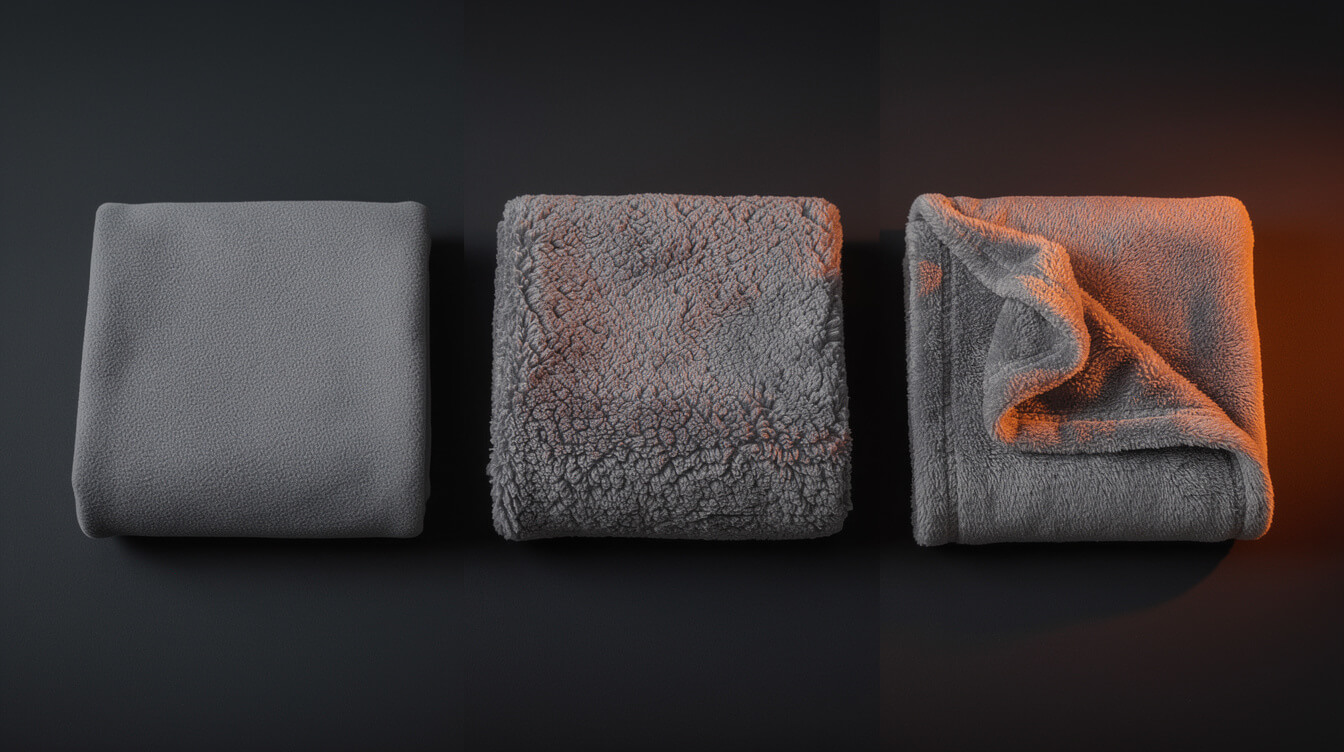
The short answer: Printful does, the Printify network does with more substrate options, and a handful of direct platforms fill specific gaps. Here is what the landscape looks like as of mid-2026.
Printful
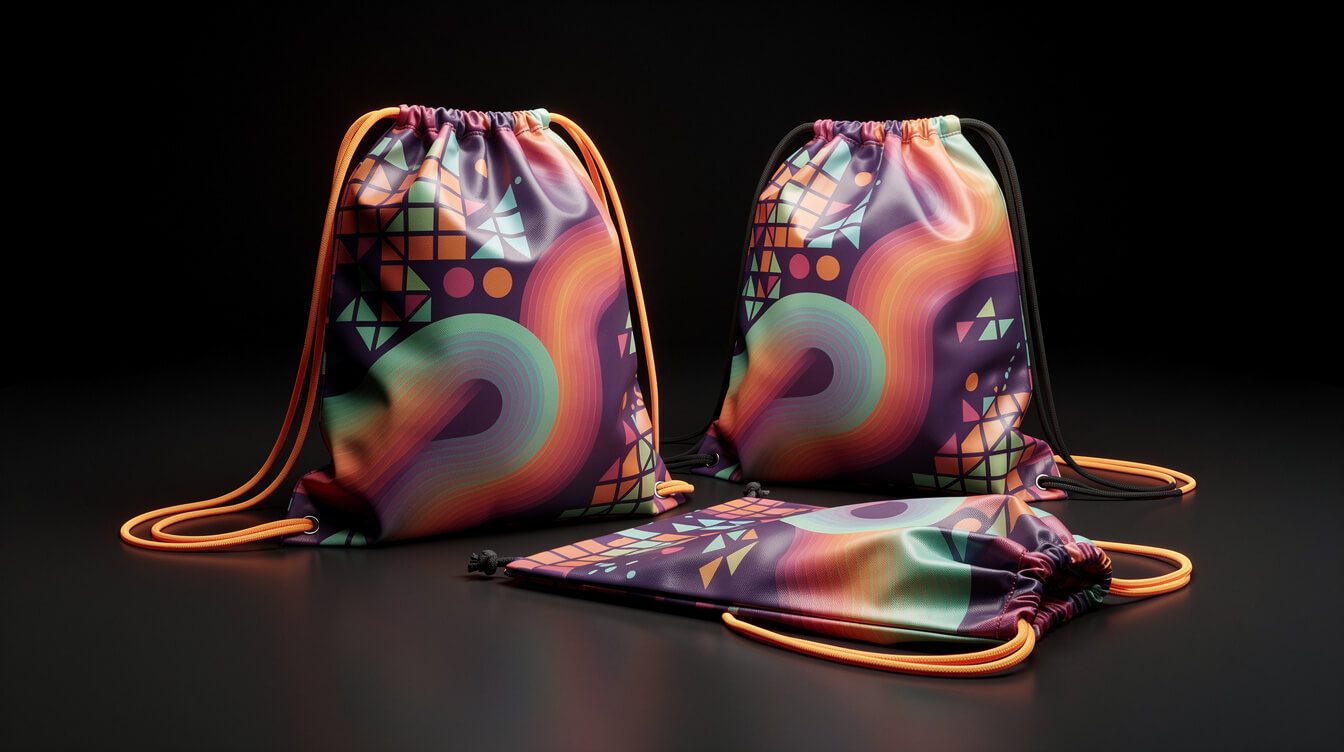
Printful carries sublimated fleece blankets in two sizes: 50×60″ and 60×80″. The substrate is 100% polyester fleece, which is a requirement for sublimation (covered in the next section). Printful’s fulfillment network includes US, EU, and Mexico facilities, which helps with delivery speed to North American and European buyers.
For name personalization, Printful does not insert custom text into the design on your behalf. You as the seller need to set up a WooCommerce product with a custom text field, collect the buyer’s input at checkout, and communicate that information to Printful via the order notes or the Printful product customizer tool. This is a workflow step, not a blocker, but sellers need to plan for it before the first order ships.
Printify
The Printify network adds sherpa and plush blanket options that Printful does not carry. Sherpa is a polyester microfiber fabric with a plush wool-like texture on one side. It has become a strong seller in the premium gift category specifically because it photographs well and buyers perceive it as higher quality than standard fleece. Provider availability within Printify varies by region, so check the product catalog directly before building listings. The base cost structure is similar to Printful but varies by vendor.
SPOD (Spreadshirt)
SPOD carries a soft fleece blanket option and has competitive production times, typically 48 hours for US orders. For sellers wanting a fast-turnaround blanket option with a reliable US fulfillment partner, SPOD is worth including in your evaluation.
What all three share
All providers in this category require the buyer’s name to be embedded into the print file at the time of production. The text is baked into the design artwork before the image reaches the printer. This means your WooCommerce product must collect the name at checkout and that input must flow into the design before the order is submitted to the fulfillment partner. Sellers who automate this step via the MEGA platform handle the design generation inside the pipeline itself. Sellers handling it manually need a clear workflow for passing order notes to their design step before submission.
For a parallel product category that also relies on sublimation-based personalization, see our breakdown of custom canvas prints for POD sellers.
How sublimation printing works on fleece and sherpa blankets

Sublimation is the only viable large-format full-color print method for blankets in the POD supply chain. Understanding how it works clarifies the design constraints you will work within as a seller.
The substrate requirement
Sublimation dye works by converting from solid to gas under heat, then bonding directly into the polymer molecules of the fabric. That bonding reaction requires polyester. Standard cotton blankets cannot accept sublimation dye. The dye has no polymer structure to bond with, so it either sits on the surface and washes out, or it does not adhere at all.
This is why all sublimation blankets from Printful, Printify, and SPOD are 100% polyester or high-polyester blends. Sherpa blankets typically have a polyester backing side, which is where the print goes, and a plush textured front side. The print bonds into the polymer backing at the molecular level.
The heat press process
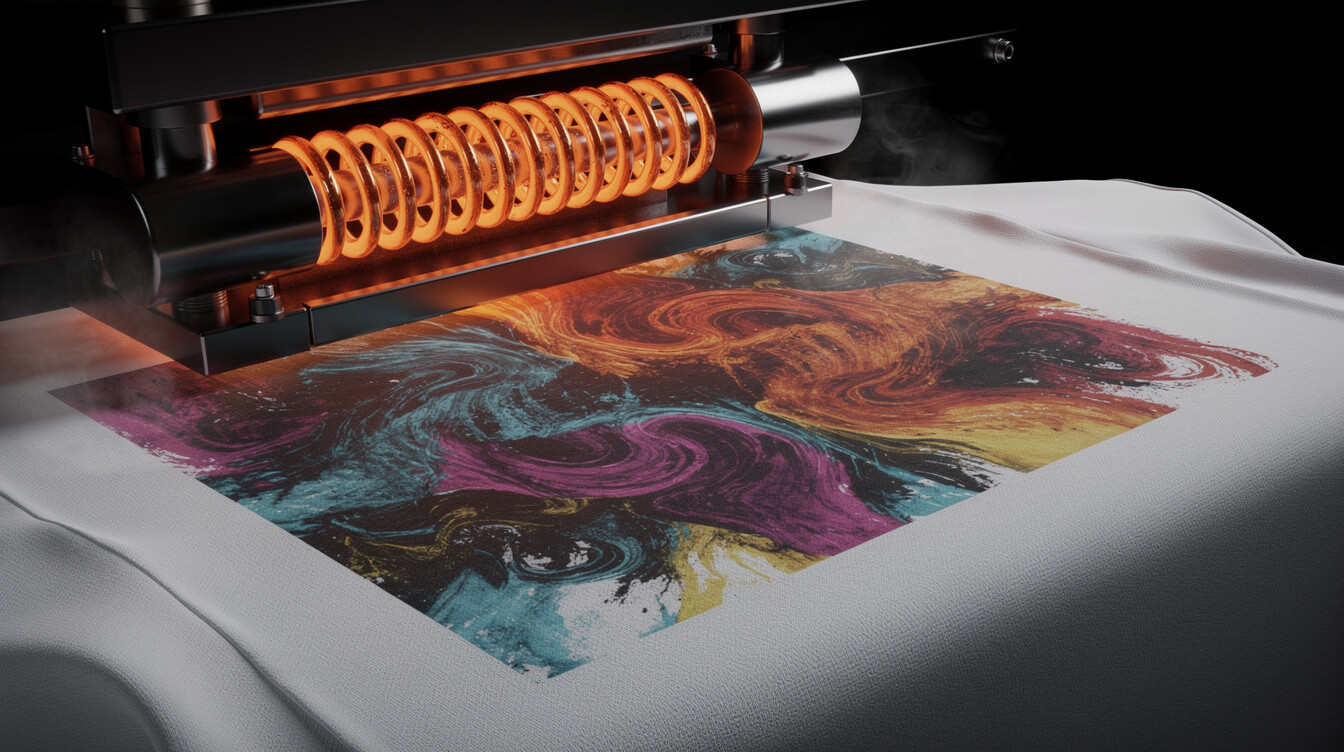
At the facility, the design file, which includes the buyer’s name embedded into the artwork, is printed onto transfer paper using sublimation inks. The transfer paper is placed face-down on the blanket and run through a heat press at approximately 380-400°F for 45-60 seconds. Under pressure and heat, the dye converts to gas, the polymer fibers open, and the dye bonds permanently inside the fabric structure.
The result is a print that cannot peel, crack, or fade through normal washing. The dye is inside the fiber, not sitting on top of it. This is why sublimated blankets maintain print quality after 50 or 100 wash cycles, which matters for buyer satisfaction and your long-term return rate.
Design file specifications
The standard dimensions for a 50×60″ blanket at 150 DPI are approximately 7,500×9,000 pixels. At 60×80″, that scales to 9,000×12,000 pixels. The name field must be positioned and typeset inside the artwork file at full resolution. Low-resolution text, especially names with thin letterforms or small type sizes, will print visibly blurry at this scale.
This is the main technical constraint sellers underestimate. If your artwork file is not at the correct pixel dimensions for the blanket size you are selling, print quality will fall below what buyers expect at $38-58 retail. The investment in proper file preparation reduces customer service volume and return rates.
The unit cost math: from $15 base to $58 retail

Smash print-on-demand. Join the engine room.
One short email a week. Real numbers, real teardowns, the unfiltered economics behind every move.

Here is the actual cost structure across the standard size range for sublimated fleece blankets, using Printful as a baseline. Printify and SPOD vary within a similar range depending on the specific vendor.
50×60″ fleece blanket
- Base production cost: $15-18
- Standard shipping (US domestic): $5-7
- Landed cost to seller: $20-25
- Suggested retail: $38-45
- Gross margin: 34-47%
60×80″ fleece blanket
- Base production cost: $18-22
- Standard shipping (US domestic): $5-7
- Landed cost to seller: $23-29
- Suggested retail: $45-58
- Gross margin: 36-48%
Sherpa blanket (Printify network, 50×60″)
- Base production cost: $18-24 (premium substrate)
- Standard shipping: $6-8
- Landed cost to seller: $24-32
- Suggested retail: $48-62
- Gross margin: 35-46%
What these numbers mean in practice
At 50 orders per month with a $48 average order value, gross profit runs approximately $1,050-1,350 per month from the blanket category alone. At 200 orders per month, which is a realistic volume after 6-12 months of proper SEO and listing optimization, monthly gross climbs to $4,200-5,400.
These margins are not exceptional by POD standards. Custom canvas prints and framed wall art hit similar or higher percentage margins. What blankets offer that wall art does not is gifting velocity. The repeat-purchase rate from gift buyers keeps the monthly order count growing without proportional advertising spend, which makes the category a compounding asset rather than a one-time acquisition.
For a comparison with another seasonal gift-category product in a similar AOV range, see the breakdown on custom wrapping paper for POD stores.
Handling name personalization in WooCommerce: custom text fields vs product variants
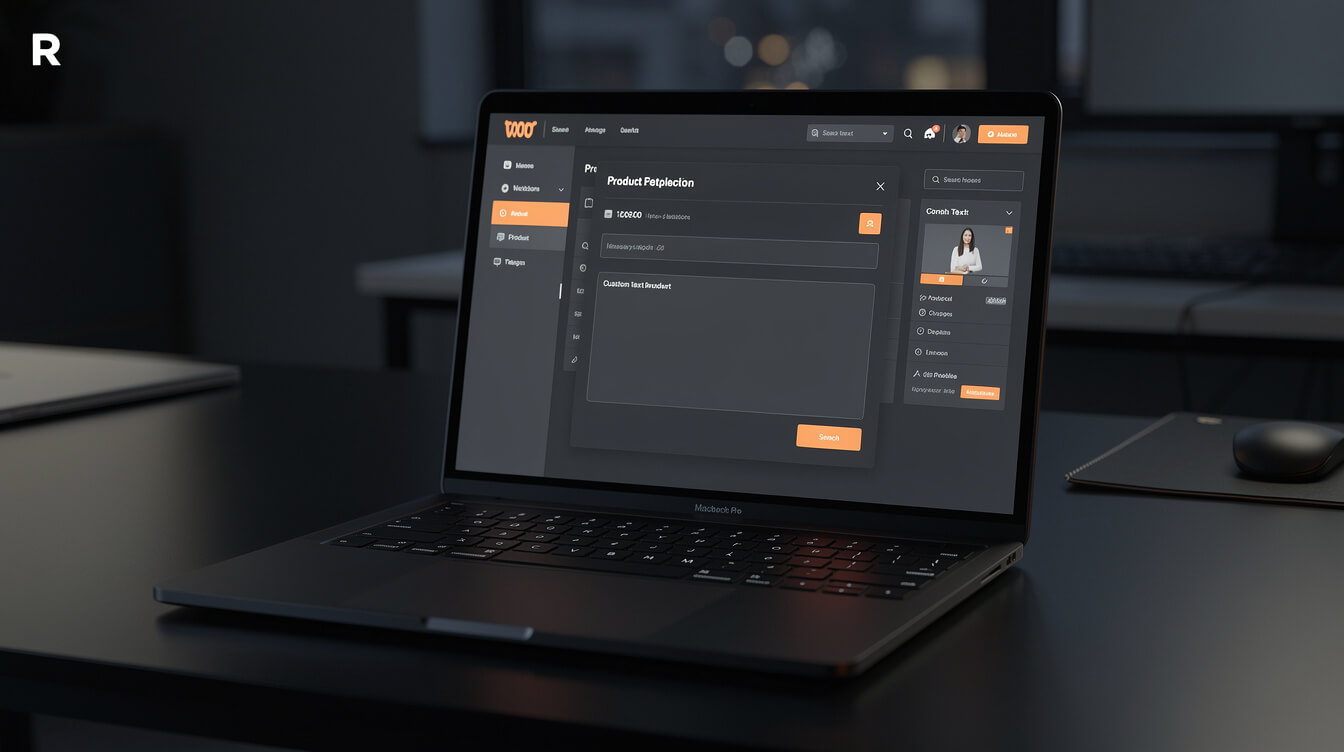
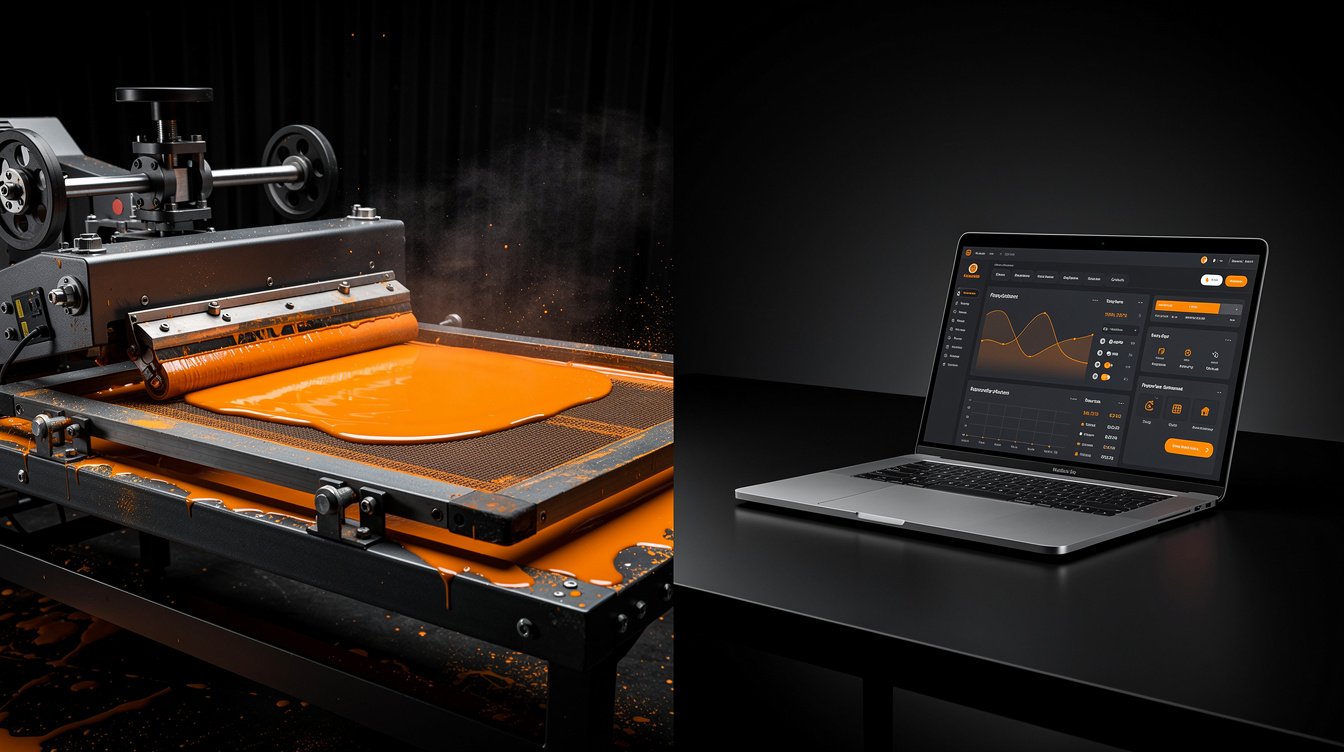
This is where WooCommerce and Shopify diverge sharply, and where the platform choice directly affects your monthly margin on a personalized product store.
The WooCommerce approach
WooCommerce handles name personalization through a custom product field. The implementation is straightforward: you add a text input labeled something like “Name to print” to the product page. The buyer types the name at checkout. The field value flows into the order details, which you then use to generate or modify the design file before sending the order to your fulfillment partner.
This setup costs nothing beyond the free WooCommerce stack. There is no monthly app fee, no revenue cut, and no per-order surcharge. WooCommerce’s native product field functionality handles the entire name-collection workflow without adding to your cost base.
The Shopify approach
Shopify’s standard product variant system handles size, color, and material natively. Custom text inputs, which you need to collect a buyer’s name, are not a native Shopify feature. To add a name field to a Shopify product page, you need a third-party app. Common options run $19-49 per month. At $28 per month average across 12 months, that is $336 per year for a feature that WooCommerce includes by default.
The combined cost picture
For a blanket store running 100 orders per month with a $45 AOV, Shopify charges $45 per month in platform override fees (1% on gross revenue) plus $28 per month for the personalization app, or $73 per month total in platform overhead. WooCommerce handles both natively for $0 per month above hosting.
If you are building a personalized product store where text customization is the core feature, the platform decision is a structural one. See the full comparison at WooCommerce vs Shopify for POD sellers.
For sellers who want to automate the design generation step, MEGA handles the full product setup process, including custom field configuration, artwork generation from order data, and WooCommerce listing optimization, reducing the per-product manual work to near zero.

Automate the full personalization pipeline
MEGA generates complete POD product listings end-to-end in under 7 minutes. Research, artwork, WooCommerce setup, and SEO optimization in one automated pipeline.
Shopify 1% on custom blankets with names: the margin leak you don’t see

Shopify charges a 1% platform override fee on all transactions processed through third-party payment gateways. For most POD sellers, that means every order placed through Shopify Payments or Stripe. The fee is applied against gross revenue before you receive payment.
At $48 AOV across 200 orders per month, the arithmetic is: $48 x 200 x 0.01 = $96 per month. That is $1,152 per year in Shopify override fees alone, before the Shopify plan subscription, before the personalization app, and before any advertising spend.
On a blanket product running at a 40% gross margin, that $96 per month represents approximately $240 per month in equivalent gross revenue. You would need to sell five additional blankets per month just to offset the fee drag at this order volume.
The fee compounds as revenue grows. At $10,000 per month in blanket revenue, the override is $100 per month. At $25,000 per month, it is $250 per month, or over $3,000 per year from a single platform fee line. The math worsens precisely when your store is performing well.
WooCommerce does not charge a platform override fee. Fixed hosting costs of $15-40 per month on a managed WordPress host replace the variable fee structure. As revenue grows, the fixed infrastructure cost stays flat while your effective margin expands. That structural difference compounds in your favor at scale in a way that a percentage-based platform fee cannot match.
6 niches where custom name blankets sell year-round
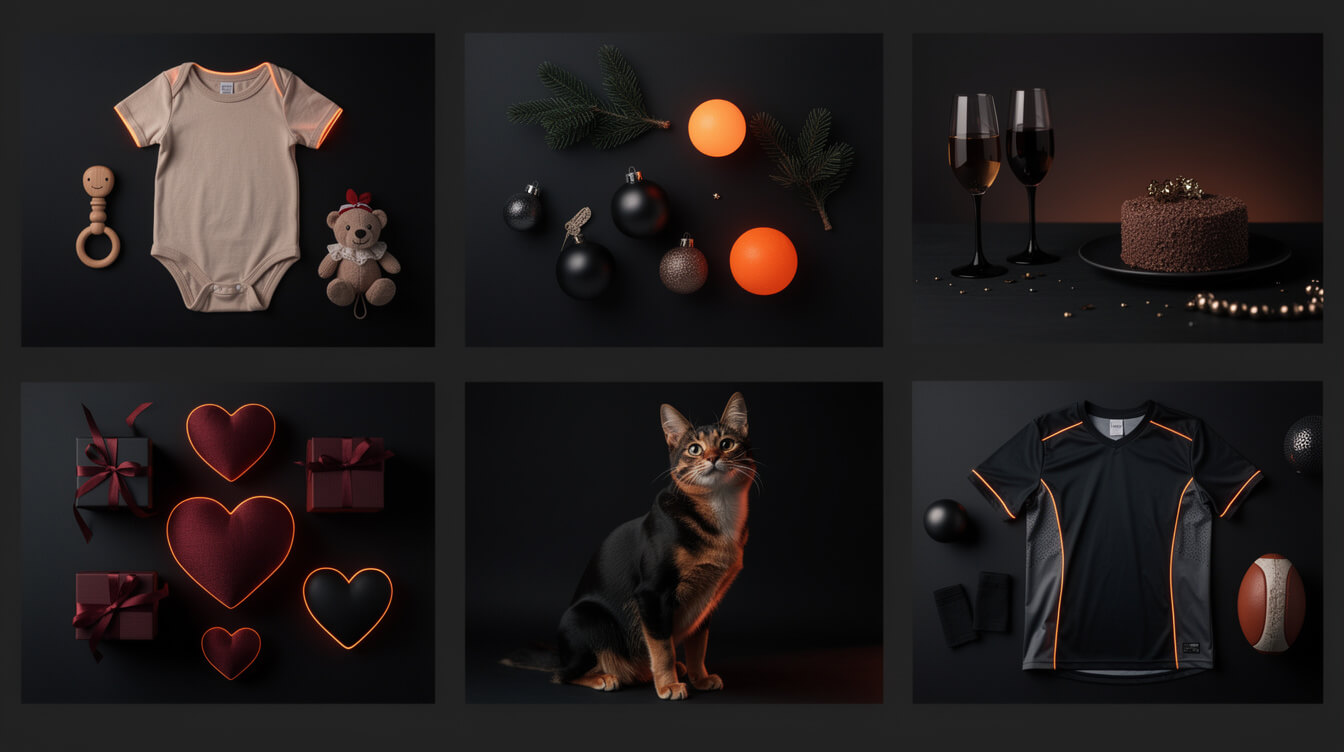
1. Baby shower gifts
New parent gifts are among the strongest repeat-purchase triggers in POD. Parents share your store with other parents. Baby names on blankets are evergreen. There is no off-season in the baby gift market, and the gifting occasion is a predictable life event that generates consistent search volume year-round.
2. Q4 holiday gifting (November-December)
The highest-volume window for the category. Buyers seek personalized blankets for siblings, partners, parents, and grandparents. Listings need to be indexed before October for the search volume build to matter. September is the optimal publish window for Q4 traffic capture.
3. Anniversary and milestone gifts
Couple’s names, wedding dates, or Est. year designs land at $55-65 AOV because the emotional significance of the occasion reduces price sensitivity. Buyers for this niche are motivated by meaning, not price, which translates to a higher conversion rate on well-photographed listings.
4. Valentine’s Day
February is a secondary peak that mirrors the anniversary gift buyer profile. Adult partner purchases, full margin pricing, and low return rates characterize this window. Listings prepared in November and December capture the Valentine’s search build before competitors do.
5. Pet portrait blankets
Adding a pet’s name to a portrait design creates a hybrid product that crosses the pet owner demographic with the gift buyer demographic. This niche has a strong repeat-purchase rate driven by new pets, gifting between pet owners, and seasonal occasions.
6. Youth sports teams
Coaches, team parents, and athletic directors buy blankets for end-of-season recognition. This is a B2B-adjacent buying pattern: one customer places 12-25 unit orders per season at $38-48 each. A single sports team order generates $456-1,200 in revenue. The lifetime value of a sports team buyer significantly exceeds a single gift buyer because the order repeats annually and team composition changes create new personalization needs every year.
Sports team orders convert well when you surface bulk pricing tiers or a simple quote inquiry form on your WooCommerce product page. WooCommerce handles variable pricing natively; Shopify requires a volume-pricing app at $9-29 per month for the same functionality.
Building a custom name blanket store: the economics in summary
Custom blankets with names occupy an unusual position in the POD product catalog. They are not the highest-volume keyword and not the easiest product to source. What they offer is structural advantage: multiple seasonal demand windows, repeat-purchase buyer psychology, and an AOV of $38-58 that works at full margin without heavy advertising.
The key decisions for a seller entering this category are provider selection, print file quality, and platform configuration. Printful covers the core fleece sublimation use case with US and EU fulfillment. Printify’s network adds sherpa and premium substrate options for a higher-perceived-quality product at a slightly higher base cost. The 150 DPI file specification at full blanket dimensions is non-negotiable at this retail price range.
On platform configuration, WooCommerce handles name collection through a native custom text field at no additional cost. Shopify requires a $19-49 per month personalization app for the same functionality, plus a 1% override fee on every transaction. At 200 orders per month and a $48 AOV, that combination costs over $1,400 per year in platform overhead that a WooCommerce store does not carry.
Sellers who automate the design personalization workflow, from order intake to artwork generation to print file delivery, reduce the per-product labor cost to near zero. That is where the economics of a custom blanket store shift from a manageable side income to a reliable revenue stream that scales without proportional manual effort.
Implement AI. 30x your throughput. Get a 30-min call with the founder.
Drop your details and book a free 30-minute discovery call. Personalized advice on your POD stack, your margin, and where AI fits. No pitch, no fluff.