Custom boxing shorts for POD sellers: providers, unit cost math, and the combat sports fan niche
If you search for custom boxing shorts today, every result sends you to a fight gear vendor. Boxxerworld. Summo Sports. Rival Boxing. Suzi Wong. These are companies selling to actual boxers placing batch orders for fight night. They are not talking to print-on-demand sellers who want to add a combat sports product to their WooCommerce store.
That gap is the opportunity. The search demand is real. The editorial coverage for POD sellers is zero. This article covers the honest catalog reality, the POD-native alternative that actually works, the unit cost math at different volume levels, and the fan merch angle that most sellers completely miss.
What the search results aren’t telling you about custom boxing shorts
The entire first page of search results for custom boxing shorts is designed for one buyer: someone ordering fight gear in quantity. Boxxerworld lists prices starting at $77. Summo Sports starts at $54. Rival Boxing, Suzi Wong, and the other specialty vendors all assume you want traditional satin construction with logo embroidery, side panel inserts, and elastic waistbands cut to fight-sport specifications. Most have minimum order quantities of 10 to 25 units.
None of them are talking to a POD seller building a product catalog on Printify or WooCommerce.
The mismatch matters because POD sellers are solving a different problem. You are not outfitting a boxing gym or designing a fighter’s ring walk kit. You are building a product that ships one at a time, on demand, with no upfront inventory, into a niche where your design is the differentiation. The search results assume MOQ. You need no MOQ.
That structural gap, zero editorial coverage of custom boxing shorts for POD sellers, is why difficulty sits at 0 on this keyword despite 1,900 monthly searches. The information vacuum rewards the seller who publishes first with the right angle.
The right angle is not “how do I compete with Boxxerworld.” It is “how do I serve boxing gym owners, MMA team coaches, and combat sports fans who want branded gear without placing a 25-unit order.” Those buyers exist. The search demand reflects them. And the product solution is different from what traditional fight gear vendors offer.
Does Printful or Printify carry boxing shorts? The honest catalog check
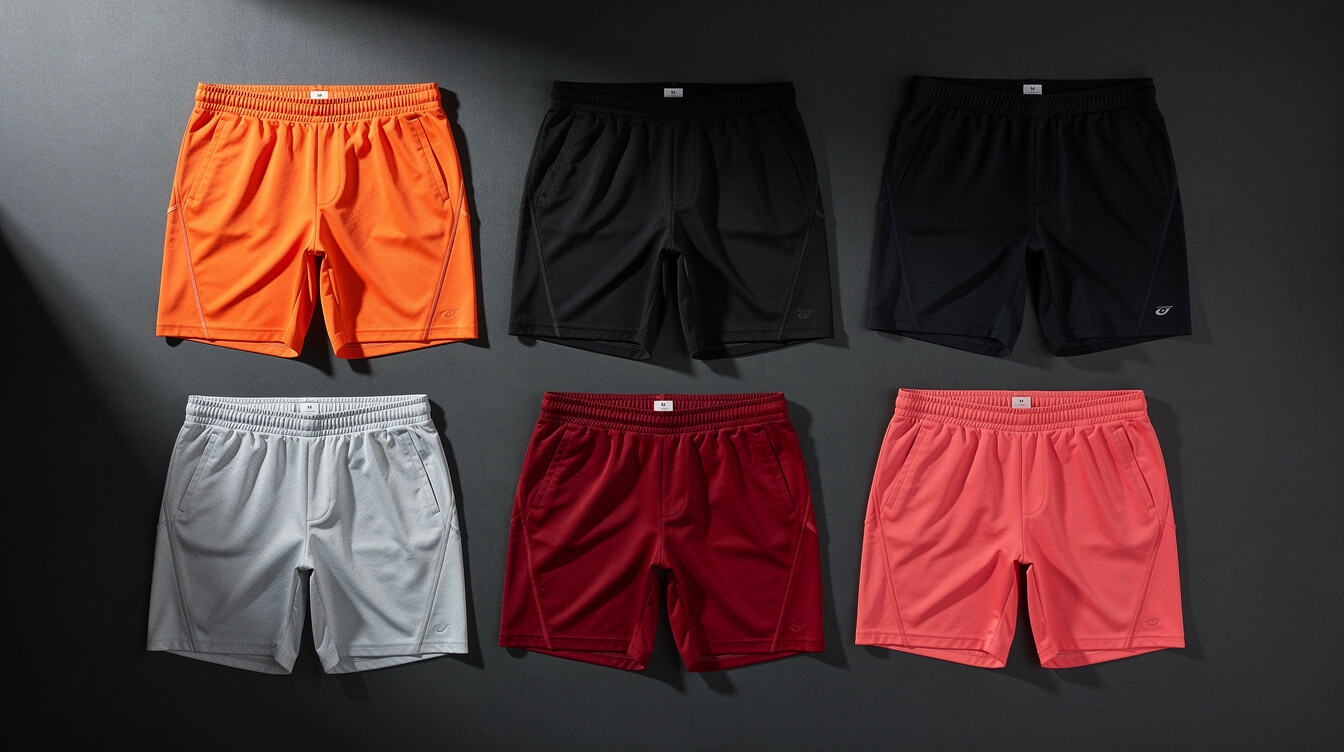
The honest answer: Printful does not carry traditional satin boxing shorts. Their catalog includes athletic wear, performance tees, and sublimated all-over print products, but the structured satin shorts with side panels and fight-sport construction that define “boxing shorts” in the traditional sense are not in their standard catalog as of mid-2026.
Printify’s vendor network is broader and changes more frequently. Some vendors in the Printify catalog carry AOP athletic shorts that can serve the same visual purpose. The specific availability depends on the vendor, the region, and which products are active at the time you build your listing. The Printify product creator is the authoritative source, not any third-party list, because vendor availability shifts.
What both platforms do carry is all-over print (AOP) sublimation athletic shorts. These are not traditional boxing shorts in construction, but they solve the same visual problem: a garment that can display full-color, all-panel custom graphics in a cut that fits the combat sports aesthetic.
The gap is in terminology. Buyers searching for custom boxing shorts may accept AOP athletic shorts as the product if the design, presentation, and listing copy position them correctly. A buyer who wants matching gym kit for their team cares about the design more than the fabric construction. A fan who wants to wear the aesthetic of the sport is not comparing satin weave specs.
The sellers who understand this distinction build better product listings. They describe what the product actually is, use accurate imagery, and attract buyers who fit the real use case. The sellers who fight the catalog limitation spend time chasing a product that POD platforms do not offer and miss the buyers who would have purchased the alternative.
AOP sublimation as the POD-native alternative: how it works on sports shorts
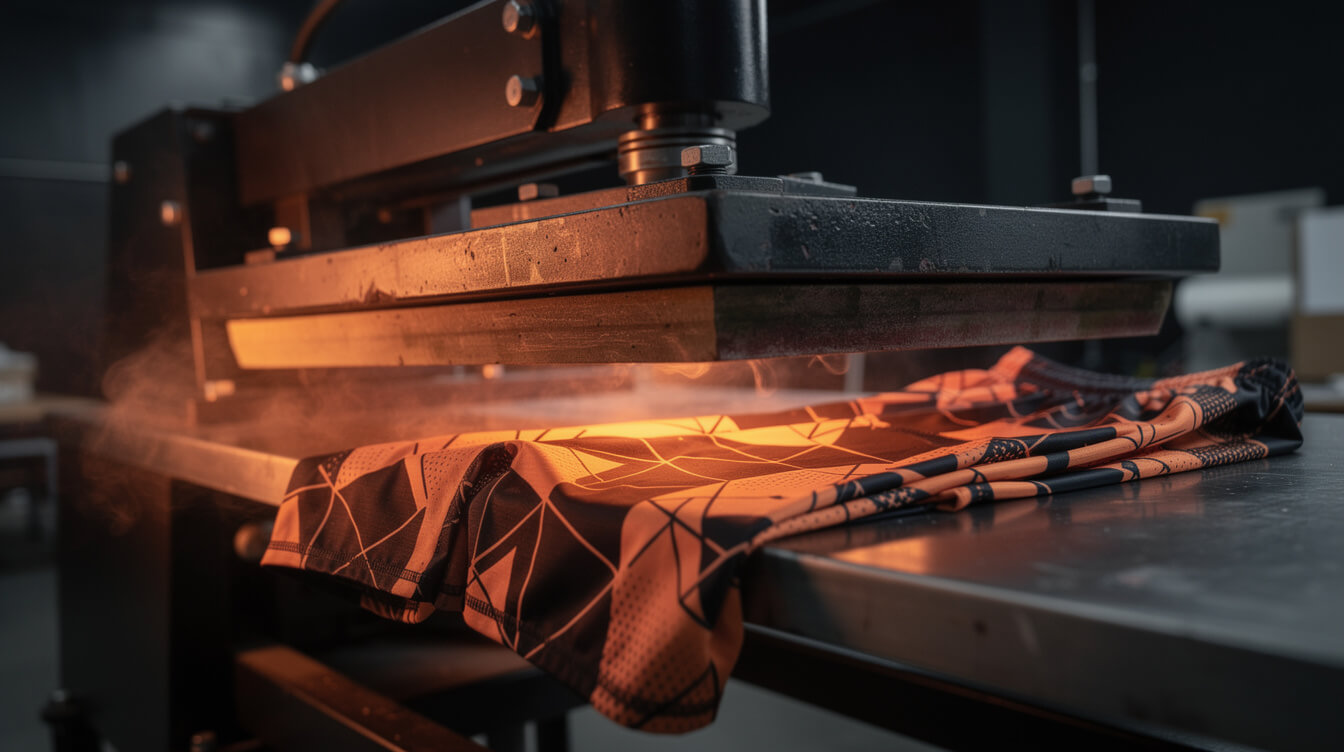
All-over print sublimation is the print-on-demand native solution for sports shorts that need full-panel, full-color graphics. Understanding how it works helps you design better products and set accurate expectations with buyers.
Sublimation works by heating a special dye so it converts from solid to gas at around 375 to 400 degrees Fahrenheit. The gas penetrates the polyester fiber structure and bonds at the molecular level. Once cooled, the dye is permanently embedded in the fabric. It cannot crack, peel, or wash off because it is part of the fiber itself, not sitting on top of it.
The critical requirement: the fabric must be at least 80 percent polyester, and 100 percent polyester produces the most vibrant results. Cotton and linen cannot absorb sublimation dyes because they lack the polyester structure the dye needs to bond with. This is why standard cotton shorts are not a sublimation candidate. Polyester athletic shorts are the target material.
For POD sellers, the practical upside of AOP sublimation is that there are no color count limits, no plate fees, and no screen setup costs. A complex design with 15 colors costs the same to produce as a two-color design. The full surface area of the short, the side panels, the waistband area, the hem, is printable canvas. You can wrap a design all the way around the garment without seam interruption.
The design file specifications vary by vendor, but a standard athletic short requires a full-garment template that accounts for the seam lines. Most Printify vendors provide template overlays. The design needs to be built at 150 DPI or higher to avoid pixelation in the print. Scaling a low-resolution design up at the production stage produces soft, muddy prints.
Compared to traditional satin boxing shorts, AOP athletic shorts have a different hand feel and sheen. Traditional boxing shorts use a satin weave that creates a distinctive shine under lights. AOP athletic shorts feel more like compression or training wear. Both are legitimate products. They serve different aesthetic expectations, and your product listing copy should reflect which one you are selling.
Supplier-direct at volume: unit cost math at 25 and 100 units
Smash print-on-demand. Join the engine room.
One short email a week. Real numbers, real teardowns, the unfiltered economics behind every move.

For sellers who specifically need traditional satin boxing shorts construction, the POD catalog route will not fully satisfy the brief. The supplier-direct route exists, but it requires committing to a minimum order quantity and taking on inventory risk. Understanding the economics helps you decide when that tradeoff makes sense.
At a 25-unit minimum order from a direct manufacturer (typically via Alibaba or a specialized fight gear supplier), production costs land in the $18 to $22 per unit range depending on the complexity of the construction, the fabric quality, and the embroidery or printing requirements. Add $4 to $6 per unit for international shipping and you are looking at $22 to $28 landed cost per unit.
At retail pricing of $55, a 25-unit batch at $25 landed cost gives you 54 percent gross margin per sale. The catch is the upfront commitment: $625 in production plus $125 to $150 in shipping before your first sale. If the design does not sell, you hold the inventory.
Scaling to 100 units changes the math. Production costs drop to $12 to $15 per unit as the manufacturer spreads setup costs across a larger run. At $14 production and $4 shipping, your landed cost is $18. At $55 retail, you are at 67 percent gross margin. The 100-unit batch costs $1,400 to $1,500 plus shipping, so the upfront exposure is larger, but the per-unit economics are meaningfully better.
The decision framework is straightforward. If you have not yet proven demand for a specific design, start with AOP sublimation through Printify at no MOQ. Test the design, the listing, the buyer. Once you have confirmed that a particular graphic consistently sells, that is when supplier-direct at 25 or 100 units becomes worth evaluating. Let the POD route validate before the batch route scales.
Sourcing local alternatives is another option. Screen printing and embroidery shops that work on apparel can sometimes produce custom athletic shorts in smaller batches than overseas factories. The unit cost is higher, typically $25 to $35 at a 12-unit run, but the lead time is shorter and there is no international shipping complexity. We covered this dynamic in more detail at our local screen printing and embroidery guide.
The combat sports fan merch opportunity: gym gear, fight team kits, MMA event merch

The most overlooked angle in the custom boxing shorts space is not the fight gear buyer. It is the three categories of buyers who want the aesthetic and the identity of combat sports without ordering professional fight gear. These buyers are large, they are underserved, and they fit the POD no-MOQ model perfectly.
Boxing gyms and their members. Every established boxing gym has some level of brand identity. The owner has a logo. They have colors. They want their members wearing gear that represents the gym during sparring sessions, at local shows, and in their social media posts. A gym with 40 active members who all want matching training shorts is a 40-unit relationship in one transaction. They will reorder as membership changes. They will add sizes. They will want matching gear for every season. Gym operators are repeat B2B-adjacent buyers who understand the value of consistent branding. The custom polo shirt parallel is the same dynamic, which we covered in our custom polo shirt POD guide.
MMA academies and fight teams. Competition fighters and their support teams want matching kits for tournaments and events. An MMA academy entering a regional grappling competition might want 8 to 15 matching fight shorts for their competitors. The volume per transaction is lower than a full gym order, but the design specifications are often more detailed and the willingness to pay a premium for quality is higher. Fight team kits are prestige purchases. Buyers compare on design quality first, price second.
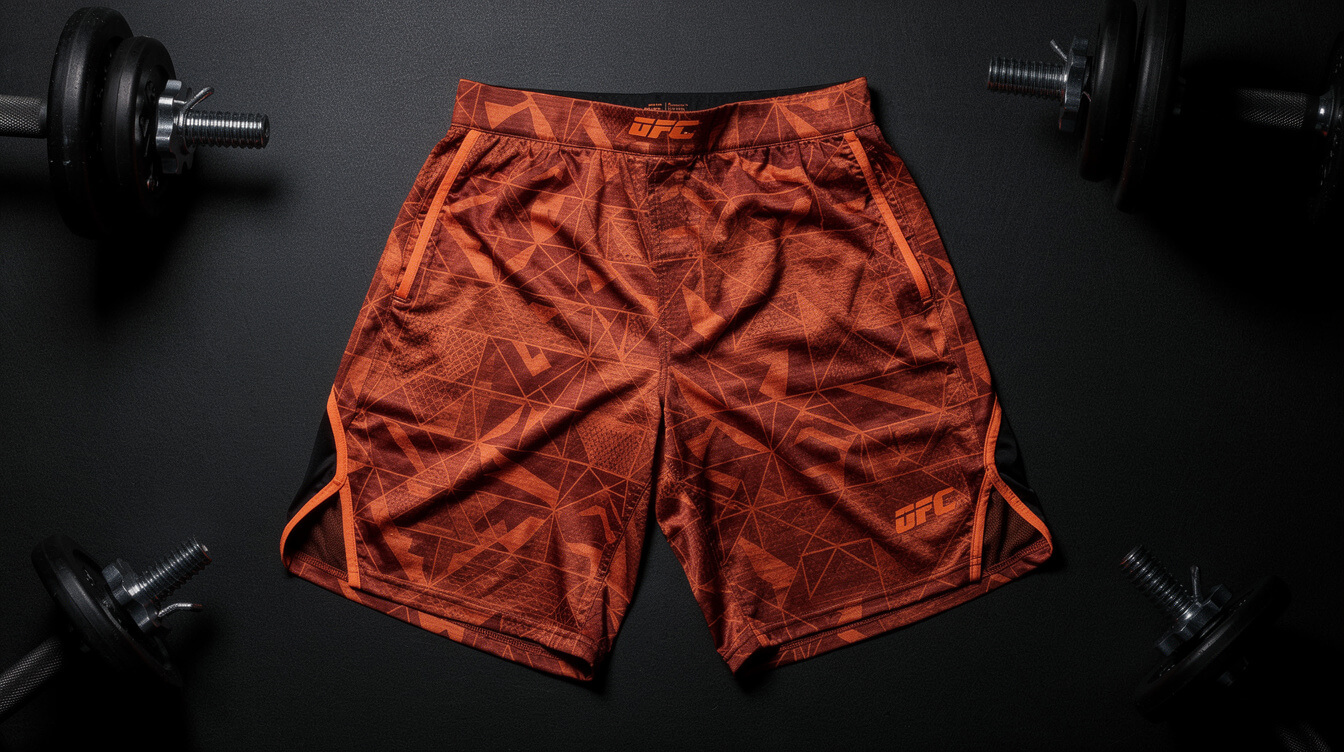
Combat sports fans and lifestyle buyers. The third category is the fan who wants the aesthetic of the sport without competing in it. Combat sports have a broader cultural footprint than the athlete population would suggest. Boxing and MMA aesthetics appear in streetwear, lifestyle apparel, and fan gear contexts that have nothing to do with stepping into a ring. A fan of a local fighter, a person who watches UFC and wants to represent their favorite gym, a buyer who simply likes the aggressive geometric patterns of fight wear, these buyers exist and they shop online. They do not need satin boxing short construction. They need a product that looks and feels right.
MEGA’s research-to-product pipeline is built for exactly this kind of niche identification. You identify the keyword cluster, pull the buyer profile, and build the listing to match. When the product is live on WooCommerce with proper SEO, you are reaching those three buyer categories in the same listing. The pipeline handles the research and image generation. Your job is to select the niche and set the retail price. MEGA automates this step entirely.
Research-to-product in under 7 minutes
MEGA identifies the niche, generates the image, writes the SEO copy, and publishes the WooCommerce listing. One pipeline. No Canva. No manual research. Try it at mega.management.
Unit cost and retail price math for boxing shorts on WooCommerce vs Shopify

The unit economics for AOP sublimation athletic shorts sit in a range that works for POD, but only if you are not bleeding margin to platform fees. Here is the math at typical price points.
Base production cost for an AOP sublimation athletic short runs $14 to $18 through Printify vendor pricing. Shipping adds $5 to $7 per unit. Your landed cost lands between $19 and $25. At a retail price of $55, which is competitive for branded combat sports aesthetic gear, gross margin runs 55 to 65 percent per unit. At $45, the lower end of the competitive range, gross margin is 44 to 56 percent. These are workable margins for POD, particularly because the zero-inventory model eliminates the capital you would otherwise tie up in stock.
Where Shopify erodes that margin is the 1 percent platform override built into Shopify plans, and the additional transaction fees on lower-tier plans. At $55 average order value and 100 sales per month, the Shopify platform override alone costs $55 per month. At 200 monthly sales, that climbs to $110 per month, or $1,320 per year. That is not a percentage of profit. It is a percentage of revenue, extracted before any fulfillment or platform cost is covered.
WooCommerce charges nothing per transaction. The annual cost is hosting, typically $180 to $360 per year for reliable managed WordPress hosting. At 200 monthly sales of $55, WooCommerce saves $960 to $1,140 per year compared to the Shopify transaction fee alone.
The personalization angle adds another layer. Gym owners and fight teams often want their gym name, team name, or fighter name on the waistband area or as a design element. Shopify requires a paid app, typically $19 to $49 per month, to add a text input field to a product listing. WooCommerce handles product personalization text fields natively, at no additional cost. At 200 orders per month, you are looking at $228 to $588 per year in additional Shopify app fees just to capture personalization data.
The full WooCommerce vs Shopify fee breakdown across multiple product categories and revenue levels is covered in detail in our WooCommerce vs Shopify for POD sellers guide. The custom boxing shorts numbers follow the same pattern we see across every POD product type: the Shopify tax is most punishing on lower-AOV products where the 1 percent represents a significant share of a thin per-unit margin.
Niche verticals worth building: boxing gyms, MMA academies, combat sports brands
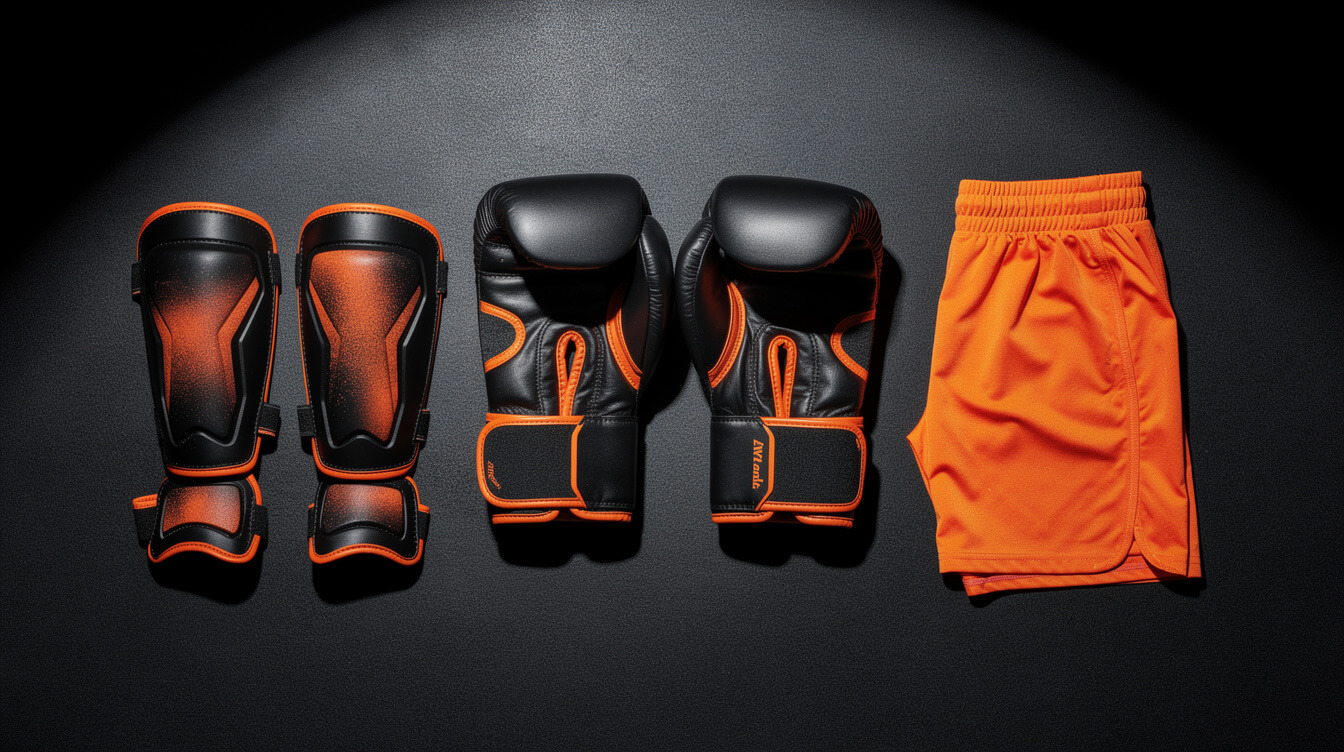
Five niche verticals have distinct enough buyer profiles and demand patterns to merit separate product strategies. Understanding what each buyer needs changes how you design the product, write the listing, and price the offer.
Boxing gyms. The gym owner wants matching branded training gear for the full membership. The design brief is consistent with their existing brand identity: specific colors, a logo or crest placement, clean and professional aesthetics. The order timeline is not urgent, but repeat business is reliable. Once a gym establishes you as their branded gear supplier, they come back for replacement units, new members, and seasonal updates. The ideal listing for this buyer is a clear customization workflow, realistic production timelines (AOP sublimation typically ships in 3 to 5 business days), and transparent pricing at multiple quantities. Custom socks bundled with the shorts make a natural upsell, which we covered in our custom socks POD guide.
MMA academies and competition teams. Competition teams care about design quality, not just matching colors. They want aggressive, bold graphics that communicate the team identity under fight-night lighting. The buyer is often a coach or team manager who takes gear seriously and will pay more for better execution. The order size is 5 to 15 units per event season. Winning this buyer requires strong portfolio imagery and fast turnaround. They are shopping on urgency, not price.
Youth boxing programs. Youth boxing is a growing segment in urban markets. Programs affiliated with USA Boxing and city recreation departments are always looking for affordable branded training gear for young athletes whose families may not have the budget for premium fight wear. The buyer here is the program coordinator, not the parents. Positioning your product as the affordable no-MOQ option for youth programs, where traditional vendors require minimums those budgets cannot meet, is a genuine differentiator.
Local combat sports events. Amateur boxing cards, local MMA promotions, and grappling tournaments need event-specific merchandise for participants and spectators. The window is narrow, 3 to 6 weeks before the event, and the volume per event is modest, 20 to 50 units across both fighter and spectator categories. The upside is premium pricing for limited-run event merch and the opportunity to become the go-to supplier for an event series that recurs annually.
Combat sports lifestyle brands. The broadest and most scalable vertical is the lifestyle buyer who wants the aesthetic of combat sports without competing in the sport. This buyer discovers products through social media, not Google search. They respond to editorial imagery that captures the visual language of the sport without being literal about fight gear. The AOV for lifestyle buyers is similar to fight team buyers, but the repeat purchase rate is lower and the design needs to be more aspirational than functional. Custom golf polo shirts follow a similar lifestyle-adjacent dynamic, which we explored in our custom golf polo shirts POD guide.
The niche that offers the most stable and repeatable revenue is the boxing gym model. One relationship with a gym owner who has 40 active members is worth more than 40 individual consumer transactions. The gym operator buys once, approves the product, and reorders as membership changes. The lifetime value of a single gym account exceeds the LTV of most individual consumer buyers in the lifestyle segment.
For POD sellers starting from zero, the research sequence is: identify 3 to 5 boxing gyms or MMA academies in a specific metropolitan area, understand their current branding, and build a sample listing that demonstrates what their branded shorts could look like. The approach is outreach-first, product second. You are not waiting for the gym owner to find your Etsy listing. You are showing them a mockup of their own brand on a product they already need.
Custom boxing shorts are one of the few POD-adjacent products where the B2B-adjacent buyer is identifiable, reachable, and motivated to buy if you solve their actual problem. The fight gear vendors are not solving it. The POD-native AOP route gives you a product that works. The niche research pipeline gives you the buyer. The WooCommerce store gives you the margin. The question is whether you start with the niche or wait for the niche to find you.
Start with the niche.
Implement AI. 30x your throughput. Get a 30-min call with the founder.
Drop your details and book a free 30-minute discovery call. Personalized advice on your POD stack, your margin, and where AI fits. No pitch, no fluff.