Custom face masks for POD sellers: which providers still carry them, 2026 demand reality, and the niche buyer profile
Custom face mask searches run at 1,300 a month in mid-2026. That is down from the COVID peak, but stable. The buyers sending that traffic today are not shopping for public health protection. They are looking for anime fan merch, sports team accessories, Halloween costume props, and branded gear for outdoor workers. If you are a print on demand seller, that shift matters more than the raw volume number. The demand is real, the SERP is empty of editorial for POD sellers, and the economics of a custom face mask listing carry one specific wrinkle you need to understand before you add the product to your store.
What a custom face mask means in 2026
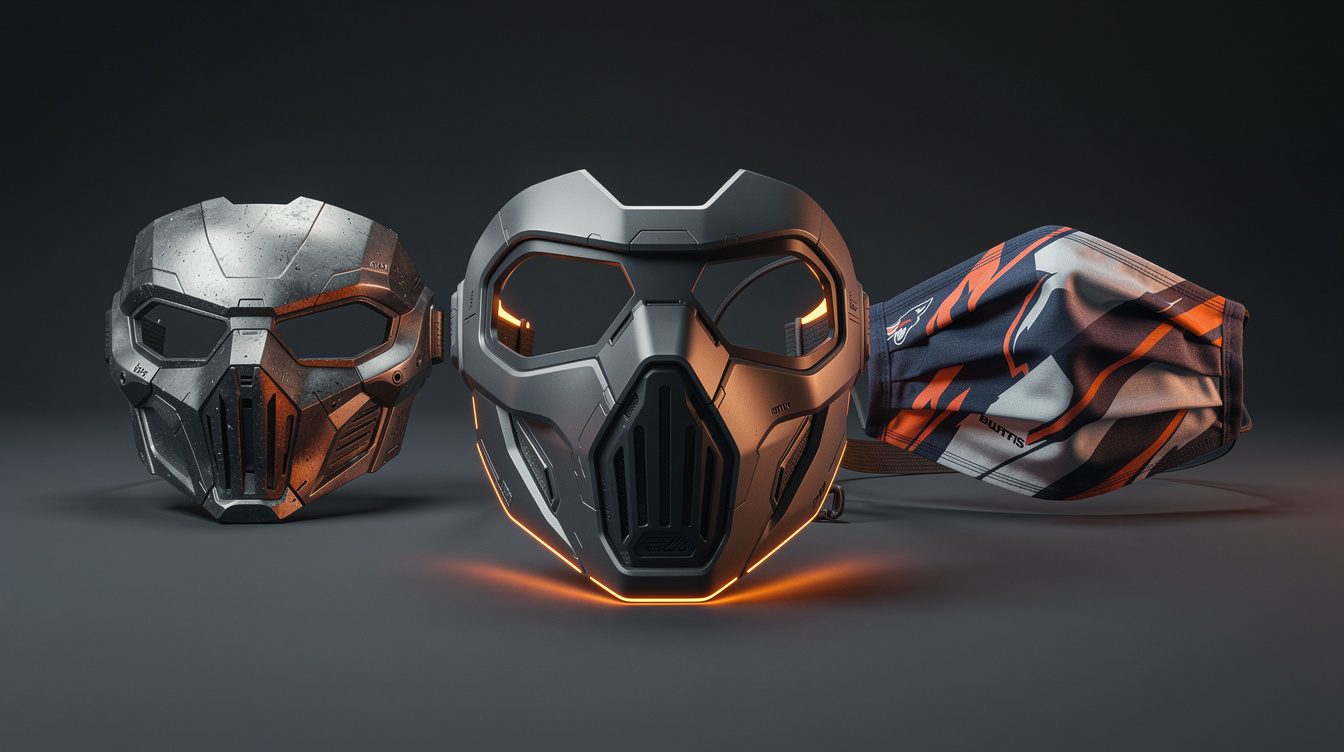
Face masks peaked in late 2020 and early 2021 as a public health product. That market largely collapsed once mandates ended. What replaced it is a segmented demand landscape that most POD sellers have not mapped.
The buyers who still search for custom face masks in 2026 fall into a few distinct groups. Anime and cosplay communities use them as costume accessories: a face covering with a character’s signature mouth design or a half-mask pattern from a popular series sells consistently at conventions and online to the same audience that buys custom phone cases and custom keychains. Sports fan communities buy team-branded masks as off-pitch accessories, particularly for outdoor events where full sun protection doubles as fan merch. Construction companies and outdoor tradespeople order branded masks for dust and UV protection. And Halloween drives a seasonal spike from late September through October each year.
None of these buyer segments overlap with the COVID-era market. The product is the same physically. The reason for buying is entirely different. That distinction matters for how you write your listings, which platforms you target, and which POD providers can actually fulfill the order.
Why the SERP is an opportunity for POD sellers
Every top result for “custom face mask” right now is either a B2B promotional vendor (4imprint, DiscountMugs) with minimum order requirements, or a high-end direct-to-consumer brand (Contrado at $28.45 per mask). There is zero editorial content written for a POD seller trying to understand which provider carries masks in their catalog, what the sublimation specs are, or whether the unit economics work at a $16 retail price point.
That editorial gap is the opportunity. A seller who publishes a product page and an informational post into this void has almost no competition from content built for their same audience.
Does Printful still carry custom face masks?
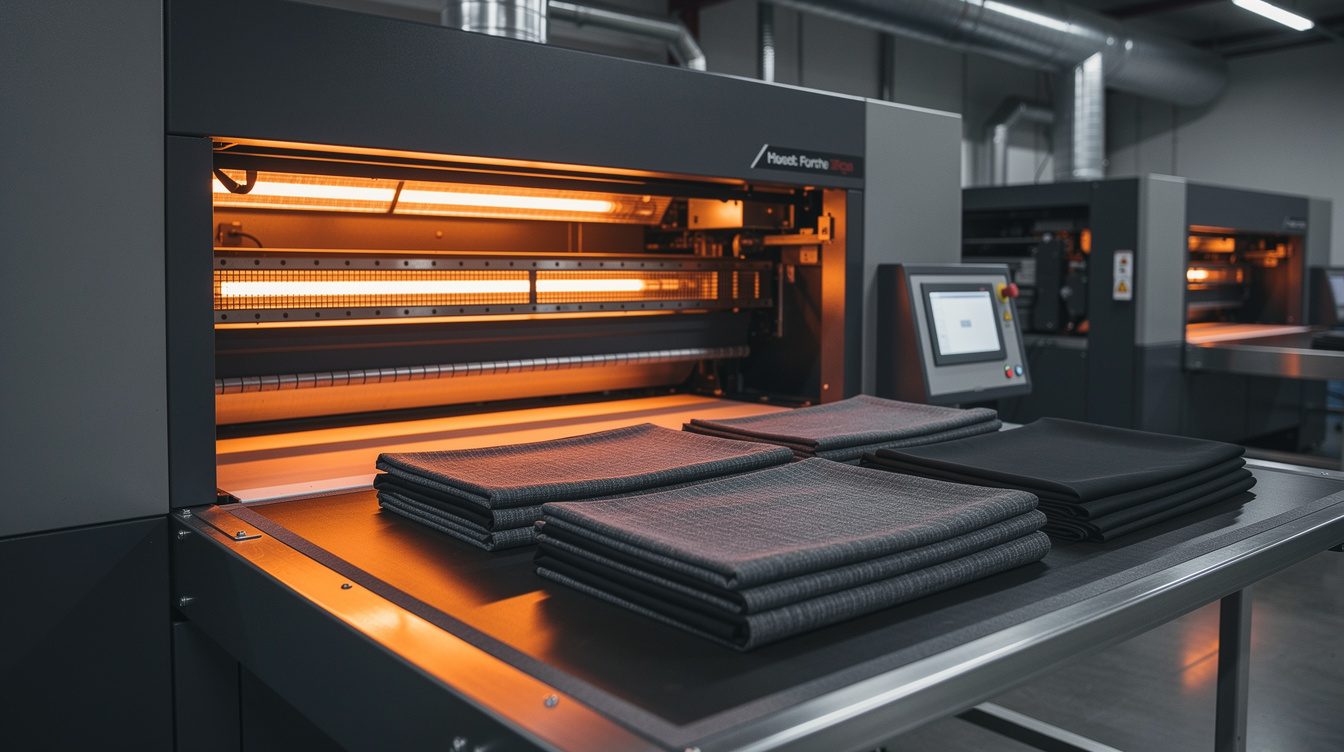
Yes. As of mid-2026, Printful carries sublimated face coverings in their product catalog. The product is a polyester face covering with an elasticized ear loop design and a nose wire for adjustable fit. Printful uses dye sublimation to print the design, which means the dye bonds to the polyester fibers at the molecular level at around 375-400 degrees Fahrenheit.
That bonding process has three practical implications for POD sellers.
- The design cannot crack or peel. Sublimation is not a surface ink. It becomes part of the fabric. Machine washing at normal temperatures does not degrade the print.
- You need 100% polyester substrate. Dye sublimation does not bond to cotton or linen. A face covering with a cotton blend will have a degraded print, patchy coverage, or visible white spotting on blended fibers. Printful’s mask product is polyester, which is why sublimation works on it.
- There is no color count limit. Unlike screen printing (which charges per ink color) or embroidery (which has thread count limits), sublimation prints full color continuously. A gradient, a photograph, a character illustration with 40 colors — same base cost as a two-color design.
Printful’s base cost for their face covering product runs between $4.50 and $6.50 depending on the variant and the current fulfillment region. Shipping typically adds $3.50 to $5.00 for domestic US orders. Verify the current catalog pricing in your Printful dashboard before building listings, as base costs shift with their quarterly pricing updates.
One constraint worth noting: Printful’s printable area on the face covering is the full front panel. There is no sleeve-cuff extension or back coverage available. The design space is the mask face itself. For most of the niche buyer profiles we will cover below, that is sufficient.
Printify and other providers: what the network carries
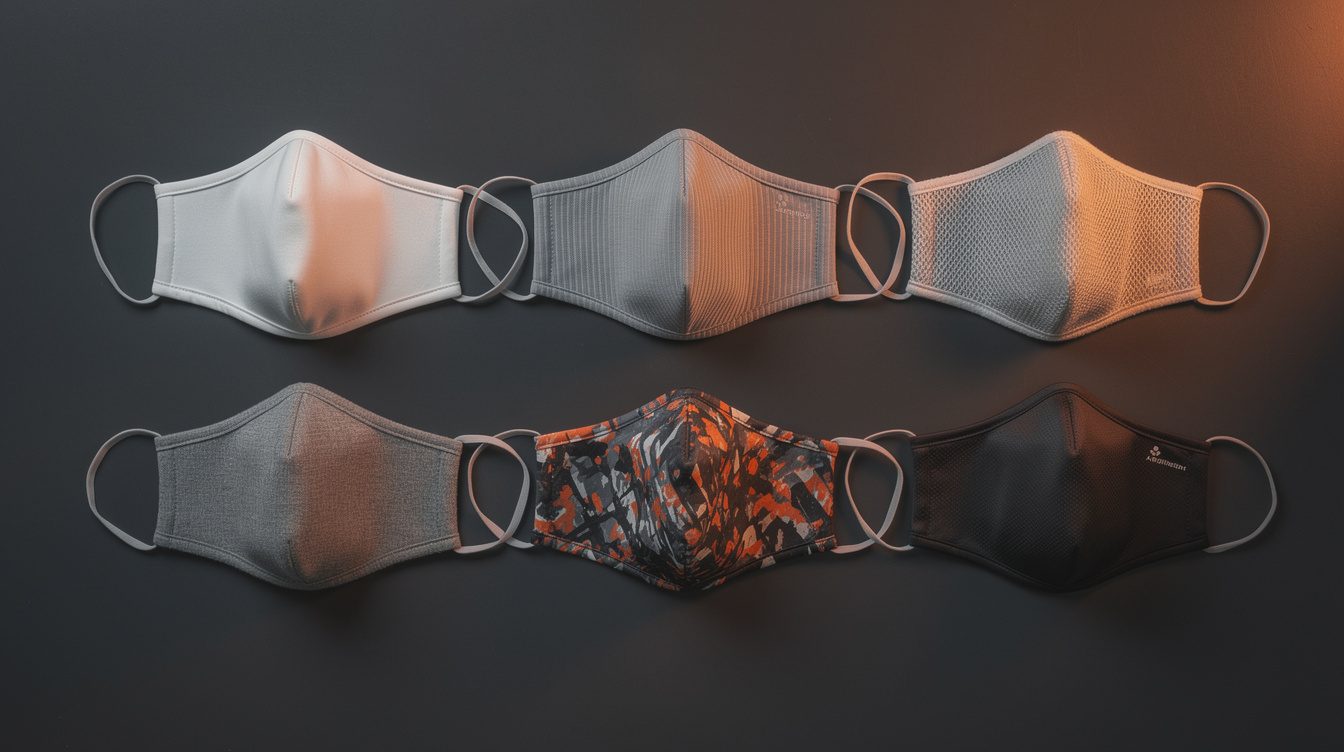
Printify’s network is larger than Printful’s catalog but more variable. The available face covering products in the Printify catalog depend on which print providers in their network are actively offering that SKU at any given time. As of mid-2026, at least two vendors in the Printify US network carry sublimated face coverings with no minimum order. Check the product creator under “Face Mask” or “Face Covering” to confirm current availability, as vendors enter and exit the network.
The print method from Printify’s network vendors is also sublimation on polyester, with similar spec requirements: 100% polyester, full-panel printable area, full color. Base costs through Printify’s network typically run slightly lower than Printful on a per-unit basis, particularly if you have a Printify Premium subscription (which adds 20% off most base prices).
Other providers to consider
Beyond Printful and Printify, a few other providers are worth checking depending on your current integrations.
Gooten has carried face coverings in the past. Check their catalog for current availability. They integrate with WooCommerce directly and have US-based fulfillment options that work well for domestic order times.
Gelato operates a global fulfillment network and has offered face masks as a product. If you sell internationally, Gelato’s local-production model means shorter transit times for EU and UK buyers.
SPOD (Spreadshirt’s fulfillment network) also carries face masks at competitive base costs with fast US production times.
The core action item before you build listings: go to each provider’s catalog, search for face mask or face covering, and confirm the current variant availability, print area specifications, and base cost. This takes 20 minutes and prevents the scenario where you have a product page live but no active fulfillment route behind it.
Unit cost math: from $4-7 per mask to $14-22 retail
Smash print-on-demand. Join the engine room.
One short email a week. Real numbers, real teardowns, the unfiltered economics behind every move.
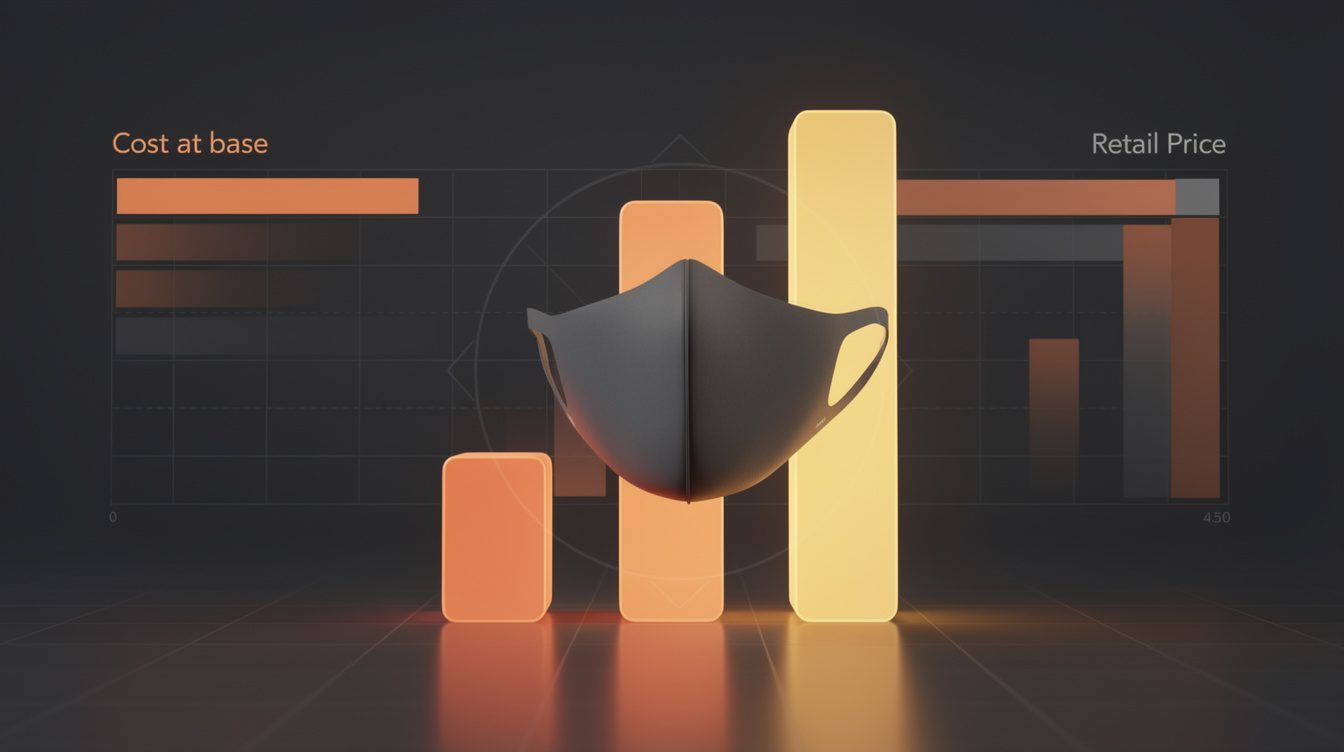
Face masks are a low-AOV product. That is not a reason to avoid them. It is a reason to understand the economics clearly before you invest time in the niche.
Here is the baseline math for a single-unit order through Printful:
- Base cost: $4.50 to $6.50 (let’s use $5.50 as a mid-point)
- Shipping to US customer: $3.50 to $5.00 (let’s use $4.00)
- Landed cost per order: $9.50
- Retail price: $14.99 to $21.99
At $14.99 retail and $9.50 landed cost, you keep $5.49 per sale. That is a 36.6% gross margin, which is on the lower end for POD products. At $21.99 retail (positioning the mask as a premium fan accessory), you keep $12.49. That is a 56.8% gross margin, which is competitive with most POD apparel.
The pricing question is whether your specific niche buyer will pay $22 for a face covering. Anime convention buyers, cosplay communities, and sports fan merch buyers will pay $18-22 for a design they cannot get elsewhere. That is the key qualifier. A generic mask with a generic design will not command premium pricing. A mask with a specific design built for a specific community will.
3-pack and 5-pack bundle strategy
One way to improve the economics is bundles. A customer who wants a face covering for outdoor work or seasonal use may want multiple masks. A 3-pack at $39.99 ($13.33 per unit retail) with the same $9.50 landed cost per unit gives you $30 in gross margin on a single order instead of $5.50. That changes the unit economics significantly. It also increases the average order value enough to make paid traffic viable where a single-unit listing would not be.
Bundle listings require your store platform to handle multi-unit product configurations without a paid app. WooCommerce does this natively through product variations and quantity pricing rules. Shopify requires a third-party app ($19-49 per month) to replicate the same functionality.
Who buys custom face masks in 2026: the niche buyer profile
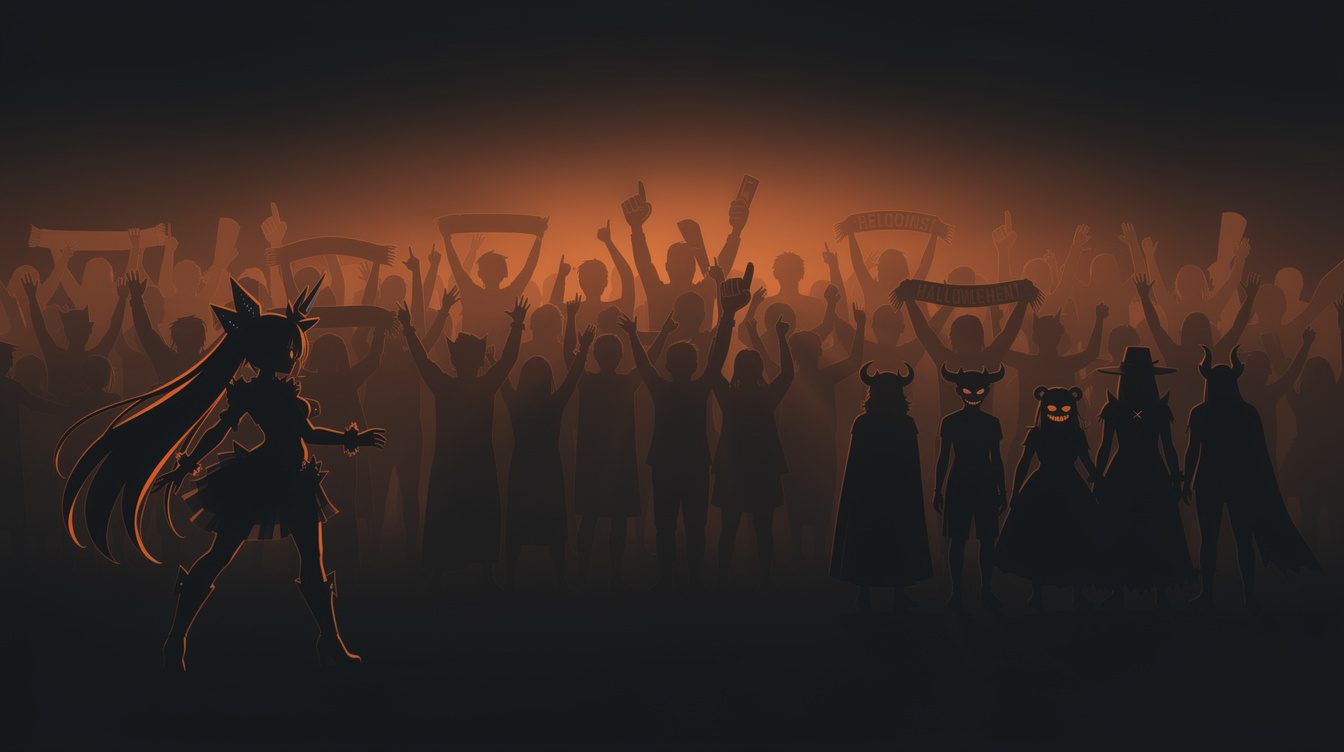
The buyer profile for custom face masks in 2026 is more specific than it looks. Understanding the actual buyer clusters helps you target listings and marketing correctly rather than building a generic product page that ranks for nothing.
Cluster 1: Anime and fandom communities. This is the highest-volume consistent buyer group. Anime conventions run year-round in the US and Canada. Convention attendees buy accessories that mark their fandom identity: custom phone cases with a character design, custom socks with an anime pattern, face masks with a signature expression from a series. The buying trigger is community identity, not utility. Price sensitivity is moderate. These buyers will pay $18-22 for a design they cannot find in a mass retailer, which is the entire point. They are not looking for the cheapest mask — they are looking for the most on-brand mask. MEGA handles the design automation side of this, taking a niche research signal and turning it into a ready-to-list product in under seven minutes at mega.management.
Cluster 2: Sports fan merch buyers. Regional sports team fan accessories sell consistently through direct-to-fan POD stores. Non-licensed fan designs (abstract team color patterns, city name designs, mascot-adjacent concepts that do not use protected intellectual property) are a large and legal category. A face covering in team colors with a city name or slogan is a viable product for this audience. The buying window aligns with season schedules: football and basketball drive the strongest seasonal spikes.
Cluster 3: Halloween and costume buyers. September through October produces a reliable seasonal spike for masks that serve as costume accessories. Half-face mask designs, character mouth designs, horror pattern masks — these all see elevated search volume during the Halloween window. List them in September to capture the indexing lead time before peak purchase days in late October.
Cluster 4: Outdoor trades and construction branding. Small construction companies, landscaping crews, and outdoor event staff sometimes order branded face coverings for dust and sun protection. This buyer is B2B-adjacent: they may want 6-12 units at once rather than one. They tend to be price-sensitive and care more about utility than design. If you want to reach this cluster, your listing needs to emphasize protection specs (nose wire, adjustable fit, polyester washability) alongside the custom print angle.
Similar buying behavior appears in other low-ticket fan merch categories. Custom keychains and custom phone cases serve the same fandom buyer profile at similar AOV points. If you are already selling into anime or fan communities, adding face masks is a catalog extension to an audience you already have.
Shopify 1% on a $16 product: the low-AOV math that most sellers ignore
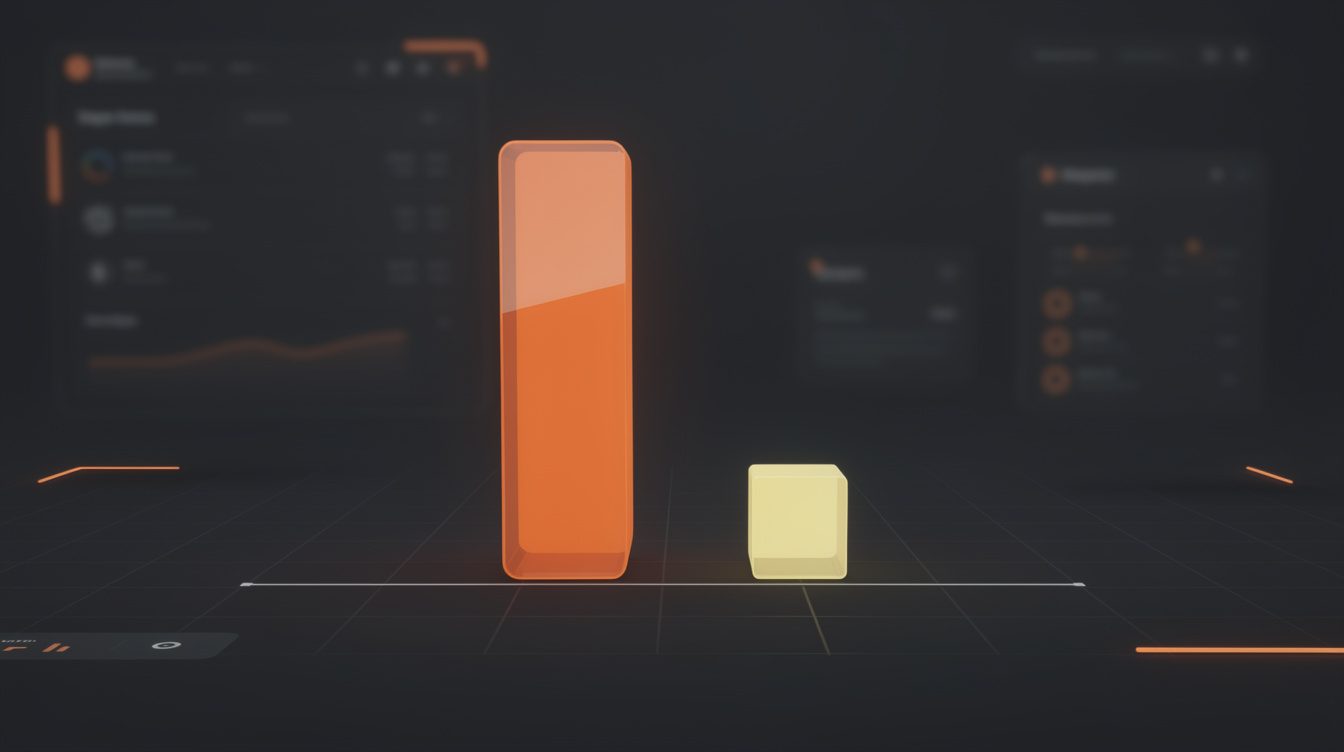
Shopify’s 1% platform override is easy to dismiss at high AOV. On a $55 custom hoodie, $0.55 per sale is an annoyance. On a $16 face mask, $0.16 per sale is a different story proportionally, and the math compounds fast at volume.
Here is the calculation for a seller moving 200 face masks per month on Shopify Advanced ($399/month plan) at $16 retail:
- Shopify 1% override per sale: $0.16
- At 200 masks/month: $32/month in platform overrides
- Annually: $384 just in Shopify override fees
- Total Shopify cost (plan + overrides): $399 + $32 = $431/month
At $5.49 gross margin per mask (at $14.99 retail), 200 sales generates $1,098 in gross profit per month. Shopify takes $32 of that in overrides, which is 2.9% of your gross profit — not 1% of revenue. The Shopify tax is always worse than it looks when you express it as a share of what you actually keep.
WooCommerce does not charge a per-transaction platform override. The cost is a fixed hosting + plugin stack: roughly $15-30 per month at the entry level. That number does not grow as your sales volume grows. It stays fixed whether you sell 200 masks or 2,000 masks a month.
For a low-AOV product like custom face masks, the Shopify override cost is proportionally one of the highest it gets in the POD catalog. At $16 AOV, 1% per transaction is $0.16 per sale. That $0.16 covers the Printful base cost of the mask’s inner nose wire component. It is not trivial. Over 12 months at 200 units/month, it is $384 that stays in your pocket on WooCommerce versus going to Shopify.
Custom face masks are one of the strongest arguments for the WooCommerce versus Shopify economics comparison precisely because the low AOV amplifies the platform fee problem.
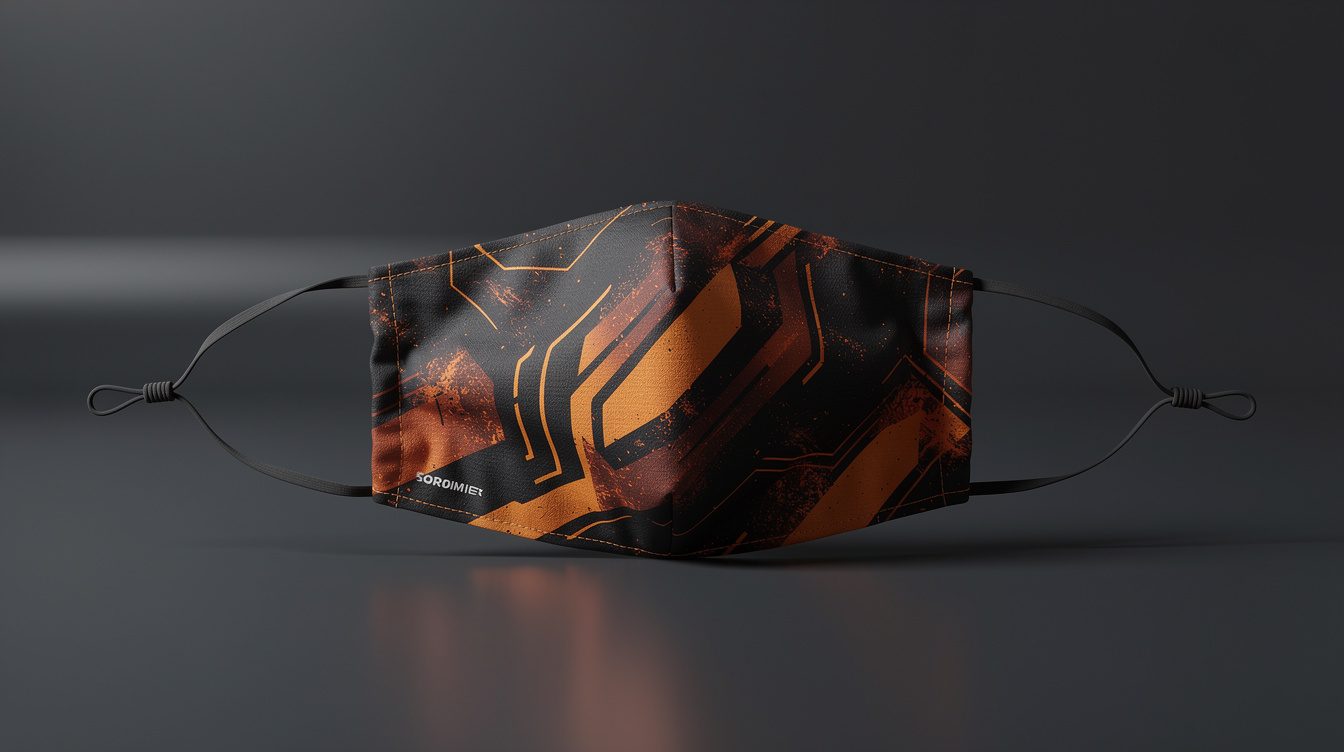
Automate your custom face mask listings end to end
MEGA takes a niche research signal — an anime series, a sports team, a seasonal demand spike — and generates a complete, ready-to-list product in under seven minutes. Image generation, mockups, titles, meta descriptions, and Printful or Printify listing. The whole pipeline, automated.
Niche verticals that actually work for custom face masks in 2026
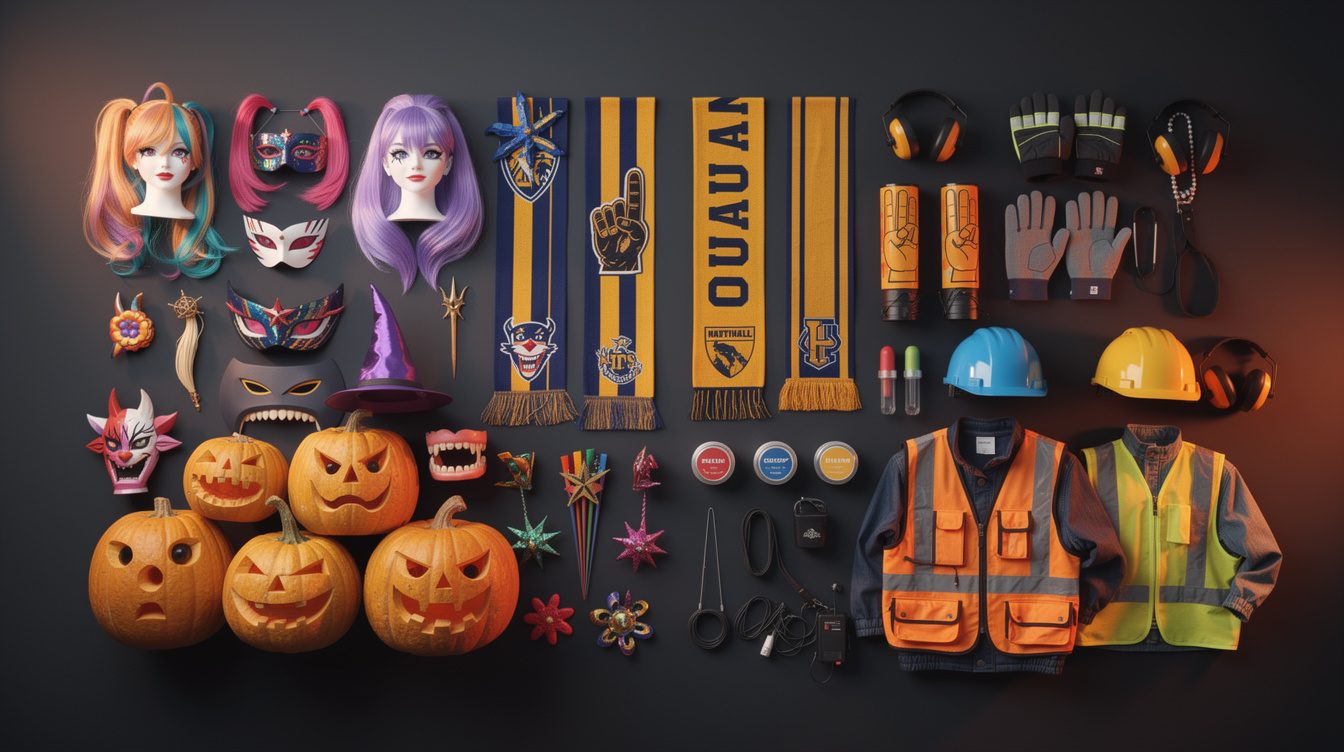
Not every niche produces consistent custom face mask demand. The seven niche verticals below have confirmed buyer intent based on search and community signals.
Anime and manga fan art (original designs). The strongest consistent performer. Conventions run year-round. The community actively seeks accessories to complete cosplay looks. Design constraint: use original art or designs clearly distinct from protected IP. Fan-adjacent designs (silhouettes, color palette references, symbolic motifs) that do not reproduce trademarked characters directly are common practice. Research what convention circuits are active in your region before investing in specific series-aligned designs.
Sports team fan accessories. Non-licensed regional fan designs (city names, abstract color patterns, stadium silhouettes) sell consistently through direct-to-fan stores. Research the active season for each sport before listing. Football designs should be live by August. Basketball designs before October.
Halloween seasonal (September-October window). Horror mouth patterns, skeleton jaw designs, character expressions — these drive an annual spike. The search window is short (6-8 weeks), which means your listing needs to be indexed by early September to capture peak traffic in late October. If you list in early October, you will miss most of the organic traffic window.
Cosplay props and accessories. Beyond anime, cosplay communities encompass gaming characters, comic book characters, and original creations. The buying pattern is event-driven: conventions, online cosplay competitions, Halloween costume builds. Design themes that work in this space: half-face mechanical designs, character expression overlays, stylized animal or creature mouth designs.
Outdoor construction and trades branding. A small but consistent B2B-adjacent vertical. Construction companies, landscaping crews, and outdoor event staff occasionally order branded face coverings for dust and sun protection. If you go after this vertical, your listing needs to emphasize the utilitarian specs (nose wire, adjustable ear loops, machine washable polyester) alongside the custom branding. Bulk pricing through bundle listings helps — 6-pack or 12-pack tiers make sense for a B2B buyer ordering for a crew.
Pet portrait novelty gifts. Custom face coverings with a pet portrait or stylized animal design occupy the same gift economy space as custom socks with pet portraits. The buyer is typically purchasing as a gift, not for themselves. These sell year-round with spikes around holidays. Custom socks and face coverings can be bundled together as a gift set to increase AOV on a product category where the individual AOV is low.
Local screen printing alternative. Some buyers search “custom face mask” while actually looking for a local printer who can do small runs. If your store emphasizes no minimum order quantities and fast shipping, you can capture buyers who would otherwise go to a local screen printing shop. The advantage over a local shop: they typically require 12 or 24 unit minimums. Your POD listing offers single-unit orders with the same turnaround window for a comparable price.
Final thoughts on custom face masks for POD stores
Custom face masks are a low-AOV product with real and specific demand. The demand is no longer about health — it is about identity, fandom, seasonal events, and branded outdoor gear. The SERP covering this keyword is entirely B2B vendors and high-end consumer brands. Neither competes with a POD seller offering no-minimum single-unit orders for fan communities.
The economics require attention. At $14-16 retail, margins are thin unless you price to $19-22 for a premium-positioned design or use bundle listings to increase AOV. The Shopify platform override compounds the low-AOV problem in a way that is worth calculating before you build on that platform. WooCommerce eliminates the per-transaction fee entirely, which changes the math on a product like this where every dollar of gross margin matters.
List your first design in the niche that resonates most with your existing audience. Measure conversion rate. Adjust pricing and bundle structure before scaling to additional designs. The barrier to entry here is low — a single well-positioned design in the right niche can capture organic traffic from an empty SERP within weeks of publication.
Implement AI. 30x your throughput. Get a 30-min call with the founder.
Drop your details and book a free 30-minute discovery call. Personalized advice on your POD stack, your margin, and where AI fits. No pitch, no fluff.