Custom embroidered patches for POD sellers: which providers make them one at a time, embroidery vs sublimation, and the unit cost math
Search for custom embroidered patches and every result on page one wants to sell you 50 of them. Bulk patch makers, team uniform vendors, and corporate swag shops all assume you are placing one batch order, storing the stock, and shipping it yourself. Not one result answers the question a POD seller actually has: can I list a custom embroidered patch in my store and have it made one at a time, after the customer pays?
You can. We pulled live pricing from Printful and Printify in October 2026 and found that embroidered patches are now a true no-minimum POD product, with real catches on shipping, digitization, and design. This guide covers which providers make them, how embroidery compares with printed and woven patches, the unit cost math at three retail prices, and the niches where patches earn their spot in your catalog.
What custom embroidered patches are, and the four patch types buyers confuse
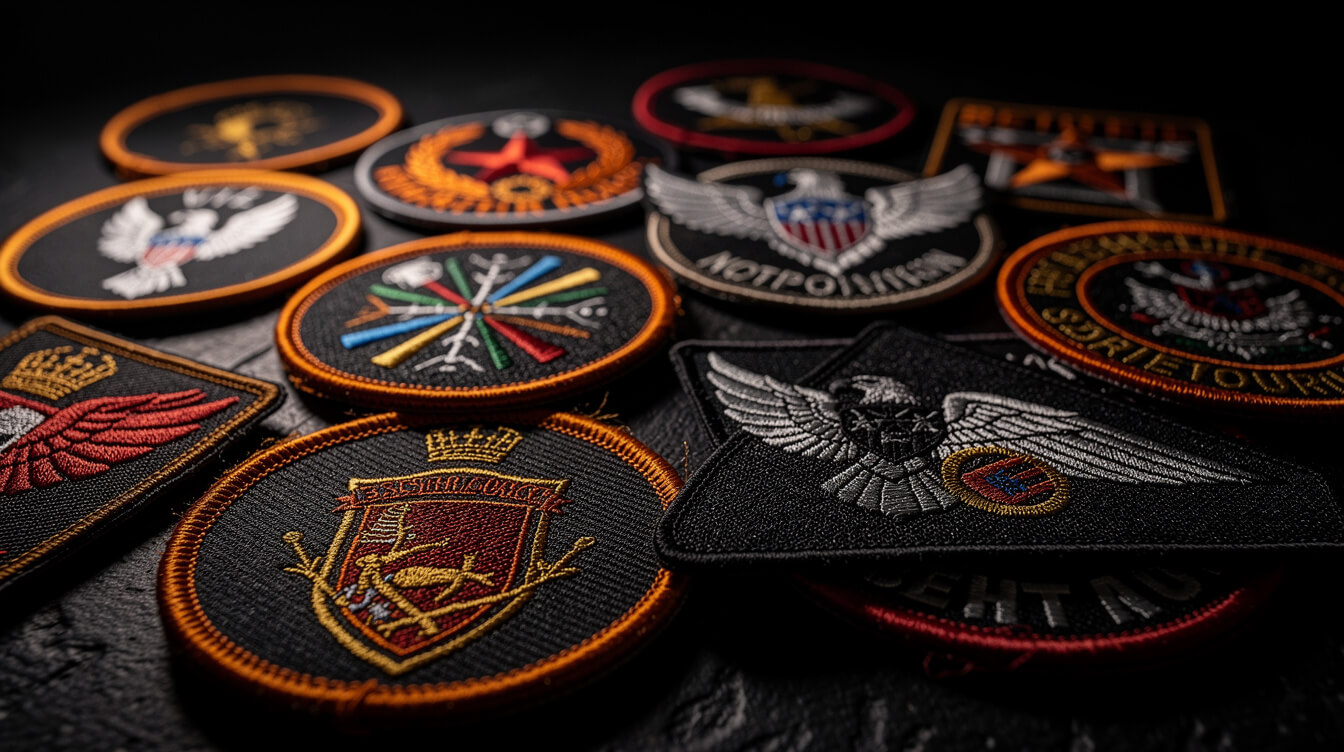
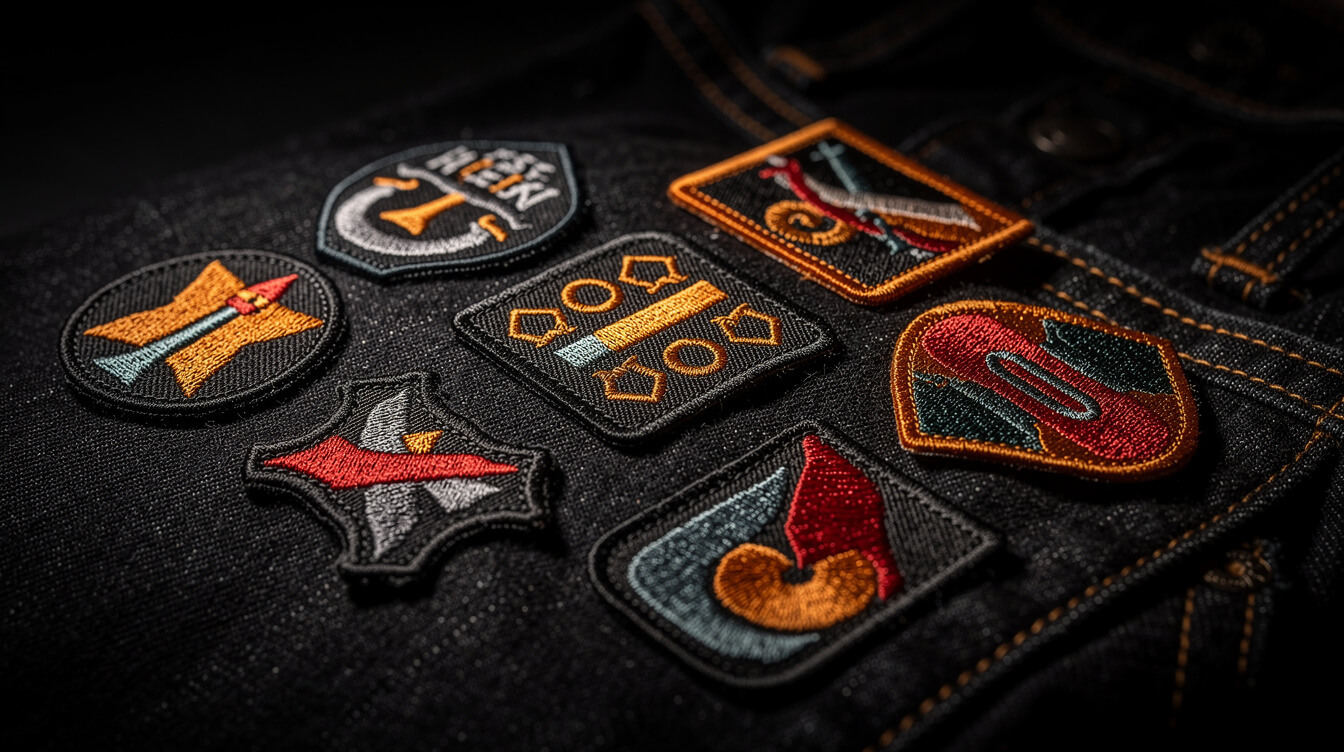
A custom embroidered patch is thread stitched onto a fabric base, usually twill, then cut to shape and finished with a backing. The stitching sits above the base, so you can feel the design with your thumb. That raised texture is the whole appeal. It reads as craft, it photographs with depth, and buyers associate it with jackets, hats, scout badges, and military morale gear.
The problem is that buyers, and most search results, use “patch” for four different products. If you list the wrong one, your reviews will tell you.
Embroidered patches
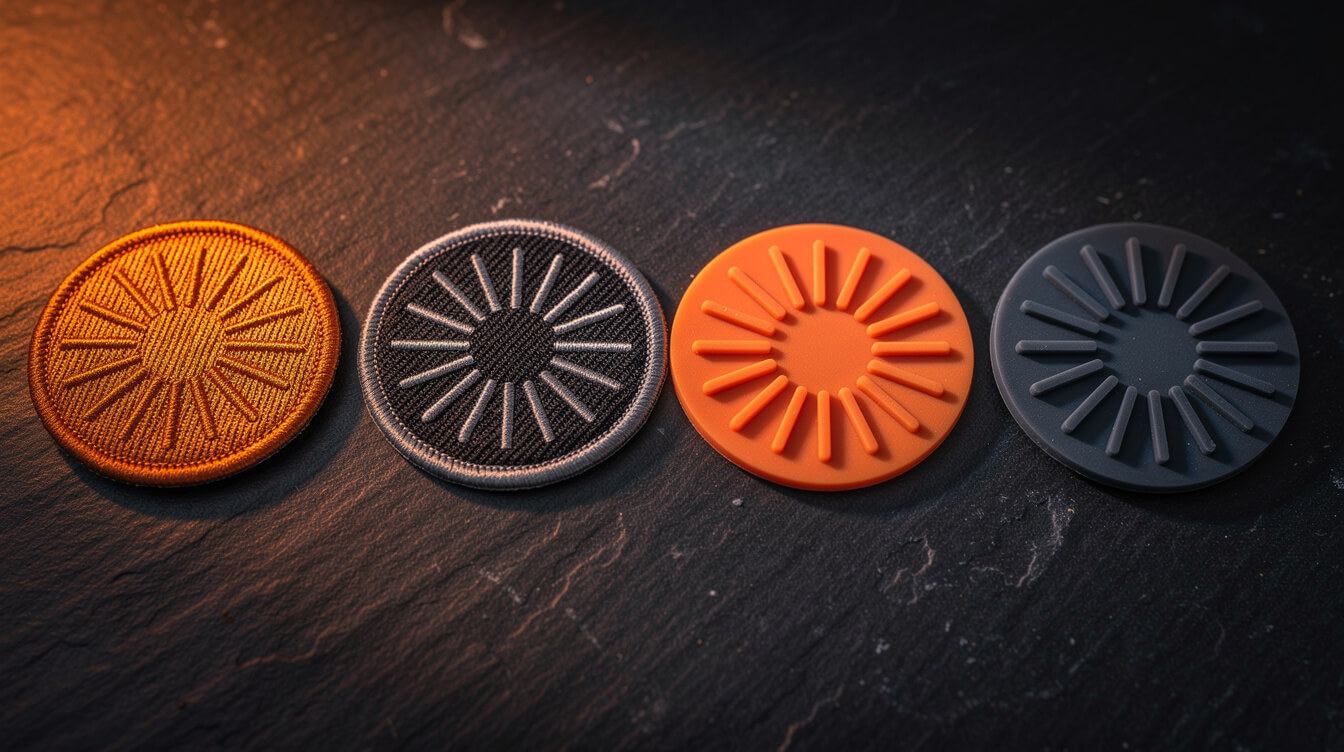
Thread on twill. Raised texture, limited color count, bold shapes. This is what most people picture, and it is what Printful now makes at no minimum. Best for logos, badges, simple illustrations, and anything that should feel handmade.
Woven patches
Thinner threads woven into the patch itself on a loom, so the surface is flat and the detail is finer. Woven patches hold small text and thin lines that embroidery cannot. They are almost always a batch product from a dedicated factory, not a POD item.
Printed (sublimated) patches
Dye printed onto a polyester base, then edged. The surface is flat and smooth, and the color range is unlimited, which means photos and gradients work. Printify’s patch listings are in this group. They cost less and handle complex art, but they do not have the stitched feel.
PVC and rubber patches
Molded soft plastic, no fabric at all. Popular for tactical and outdoor brands because they shed water and mud. These need a custom mold, so they are a batch product with setup fees, not POD.
For a POD seller, the choice is really between the first and third types. Everything that follows is about which one fits your design and your price point.
Which POD providers make custom embroidered patches with no minimum in 2026
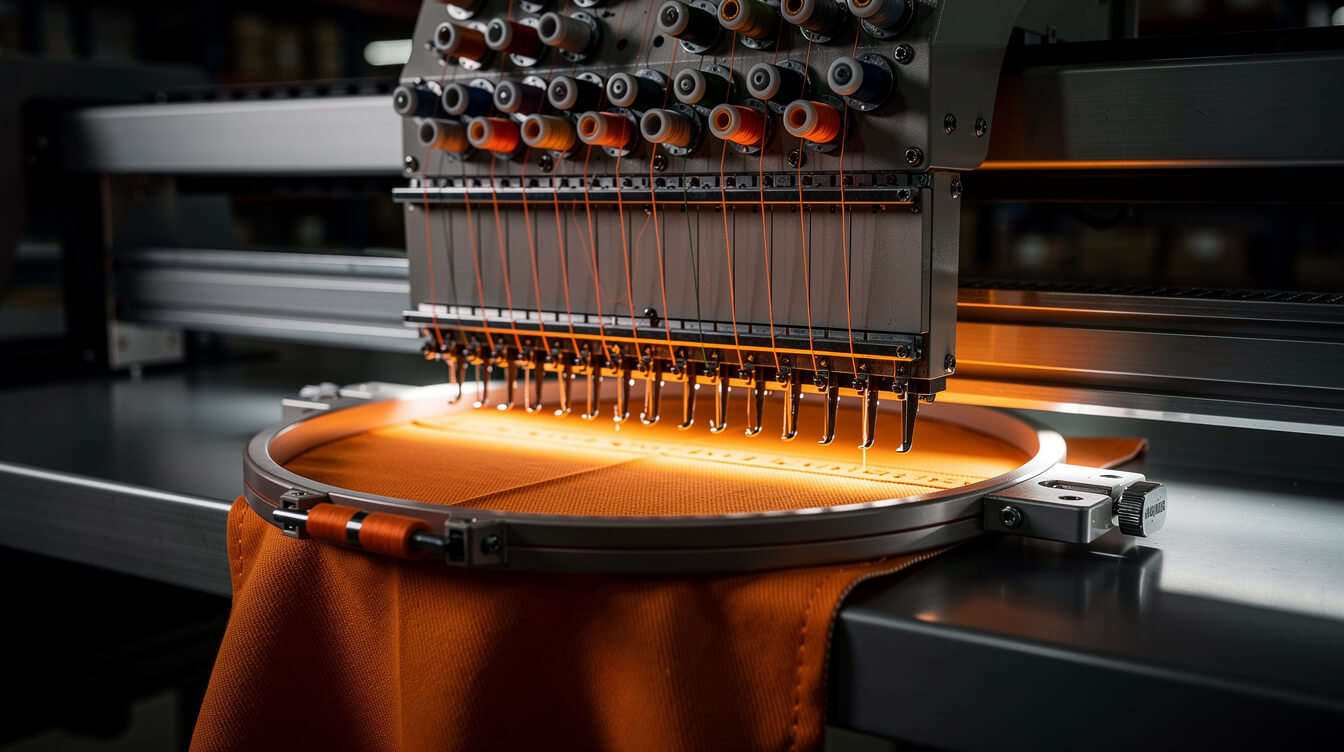
A year ago the honest answer was “almost nobody.” That has changed. Here is what we found when we checked the live catalogs.
Printful: true embroidered patches, one unit at a time
Printful lists embroidered patches with no minimum order and connects them to your store like any other product. The specs from the live product page:
- Fabric: twill, 26% cotton and 74% polyester
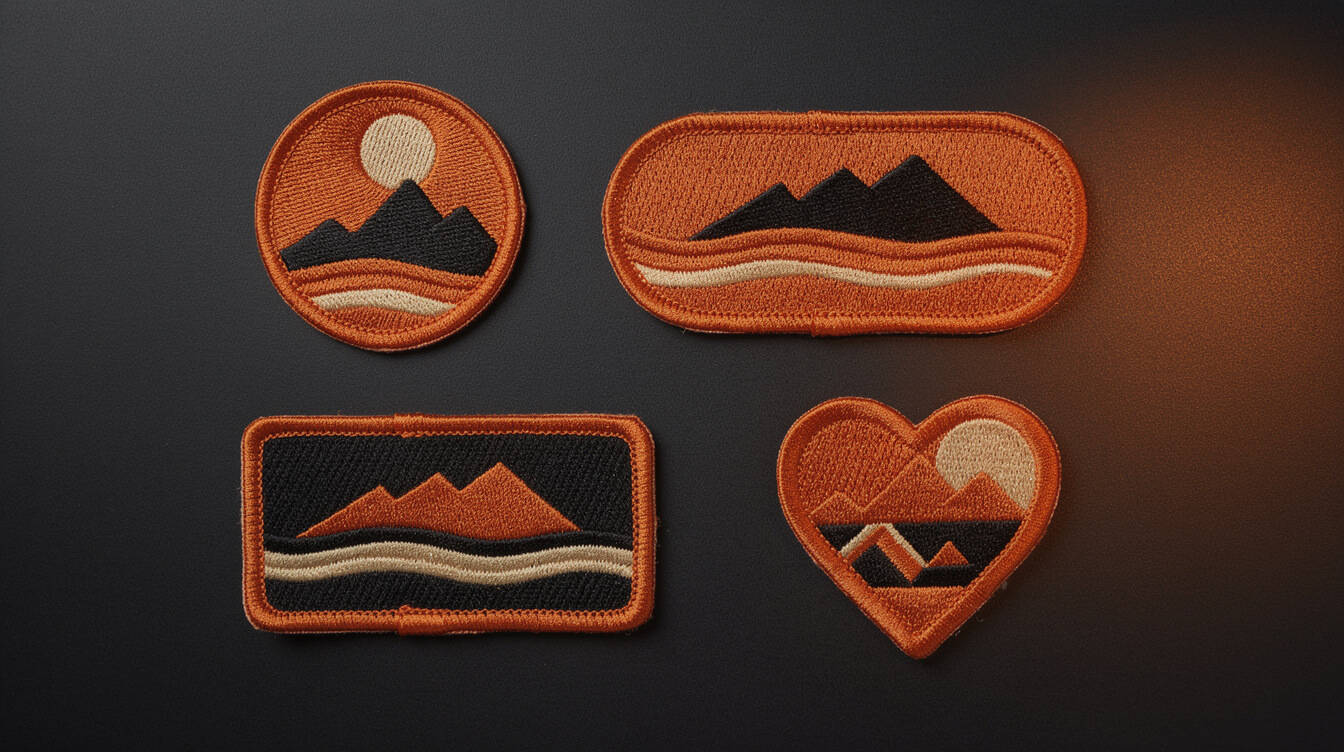
- Shapes and sizes: rectangle 3.5 x 2.25 inches, square 3 x 3 inches, oval 4 x 2.6 inches, circle 3 inches, heart 3.1 x 2.8 inches
- Attachment: iron-on, sew-on, and safety pin on all five shapes, plus hook-and-loop on every shape except the heart
- Thread colors: 15
- Base price: $9.13 on the product page, listed as “from $9.31” on the landing page, so plan on $9.31 per patch to be safe
- Shipping: from $4.49 to the US
- Digitization: a one-time fee of $2.95 to $6.50 per design, according to Printful’s pricing page
- Bulk: 25 or more embroidery items in one order drop the patch to $8.49 (7% off) and waive digitization on every design in that order
Printful also has a separate hook-and-loop tactical patch listed at $8.75. When we checked, it showed as unavailable in some delivery regions, so confirm it ships to your customers before you build a listing around it.
Printify: sublimated patches, not embroidery
Printify’s custom patches page sells “fully customizable sublimation (AOP) patches” as iron-on patches, with no minimum. These are printed, not stitched. That is not a downgrade if your design is photographic or colorful, but you should not call them embroidered in your listing. Printify pricing varies by print provider, and the direct product link we found returned a discontinued page, so search “patches” in the Printify catalog to see what is live in your region.
Factory batch patches
The B2B shops that dominate this search term make true embroidered, woven, and PVC patches at excellent quality. Most require batch orders, often 10 to 50 pieces or more, with lead times of 2 to 4 weeks. That route only makes sense once a design has proven it sells and you are willing to hold stock. We covered the same “hold inventory or not” decision in our custom enamel pin guide, which is the closest cousin to patches in both buyer and economics.
Embroidered vs sublimated vs woven: which method fits your custom embroidered patches
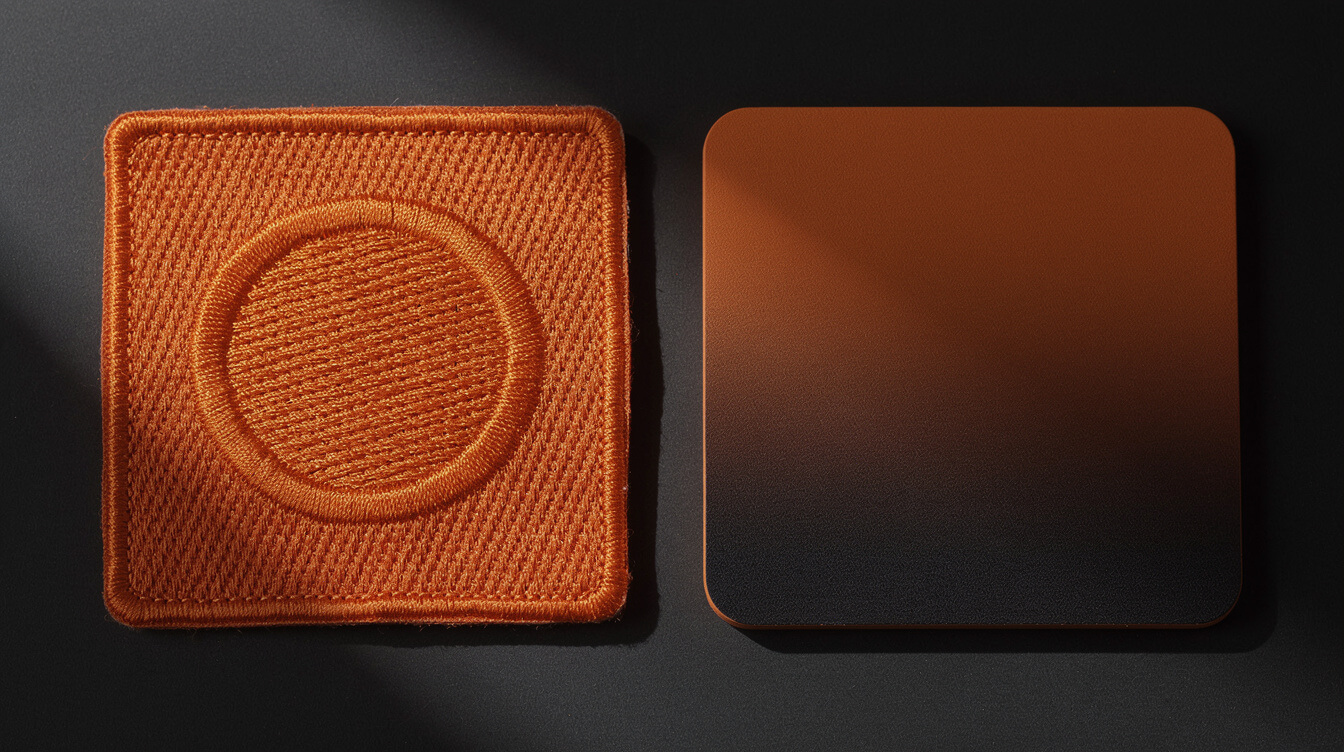
Pick the method based on the art, not the other way around. Most bad patch reviews come from forcing a design into a method that cannot render it.
Choose embroidery when
- The design is a flat vector with solid fills and clear outlines
- It uses a handful of colors, ideally 4 to 6, well within Printful’s 15 thread colors
- Any text is short and large, like a one-word brand name or a year
- The buyer is paying for the stitched texture: streetwear, scouting, outdoor clubs, morale patches
Choose sublimation when
- The design is a photo, a painting, or uses gradients
- It needs more colors than thread can offer
- Fine detail matters more than texture, like a pet portrait or a detailed landscape
Choose woven when
- You need small text or thin lines and still want a thread finish
- You have a proven design and are ready to order a batch
A useful test: shrink your artwork to 3 inches on screen and squint. If the shapes still read clearly, embroidery will work. If the image turns to mush, it is a sublimation design. If it reads well but the lettering disappears, it is a woven design or it needs simplifying.
This same split shows up across embroidered products. If you sell apparel, our custom embroidery shirts guide walks through the identical decision for chest logos.
Unit cost math for custom embroidered patches at three price points
Smash print-on-demand. Join the engine room.
One short email a week. Real numbers, real teardowns, the unfiltered economics behind every move.
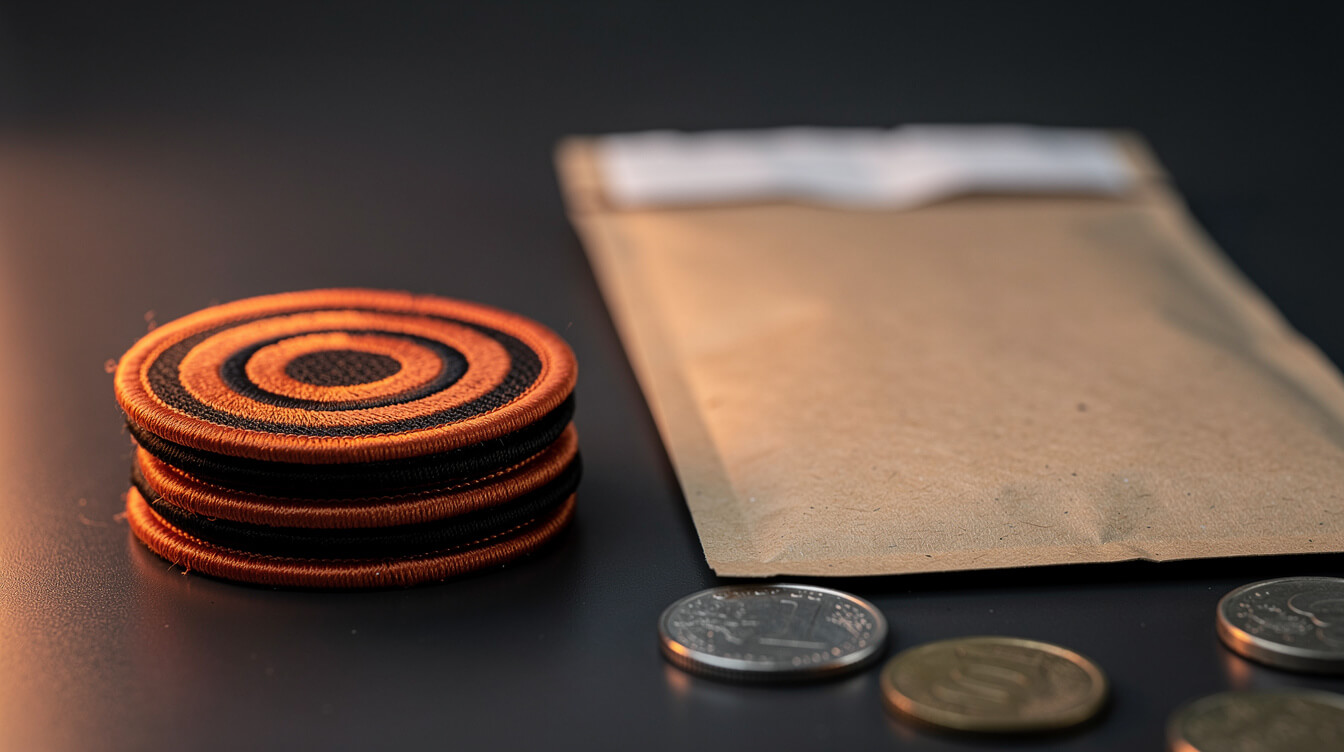
The base price looks friendly. Shipping is what decides whether a single patch is worth listing. Using Printful’s numbers, a single embroidered patch lands at about $13.80: $9.31 base plus $4.49 shipping. Here is what you keep if you bake shipping into the price and offer free delivery.
| Retail price | Landed cost | Gross profit | Gross margin |
|---|---|---|---|
| $18 | $13.80 | $4.20 | 23% |
| $22 | $13.80 | $8.20 | 37% |
| $26 | $13.80 | $12.20 | 47% |
Two things change these numbers.
Digitization is a per-design cost, not a per-unit cost
The one-time fee of up to $6.50 per design is paid once. Spread across 10 sales, it adds $0.65 per patch. Spread across 50, it adds $0.13. It matters when you launch 30 designs and only five sell, because you paid to digitize all 30. Test designs with mockups and pre-launch interest before you digitize every idea.
Patches are better as an add-on than a standalone order
A single $18 patch shipped alone is a thin product. The same patch added to a hoodie or hat order rides on a shipment the customer is already paying for. That is where the margin lives. Merch Titans, a POD guide site, benchmarks 3-inch embroidered patches at $8 to $10 base and $22 to $28 retail, which lines up with our math: under $22, a standalone patch barely clears its own shipping.
The group order math
The cleanest economics come from group orders. A youth soccer club wants 25 patches for its jackets. At Printful’s bulk price, that is 25 x $8.49 = $212.25, with digitization waived. Sell them at $14 each and the club pays $350. You keep $137.75 before shipping one box, and the buyer comes back every season. Our custom baseball jersey guide covers the same team-buyer pattern on apparel, and patches pair naturally with it.
Design specs for custom embroidered patches that survive the needle
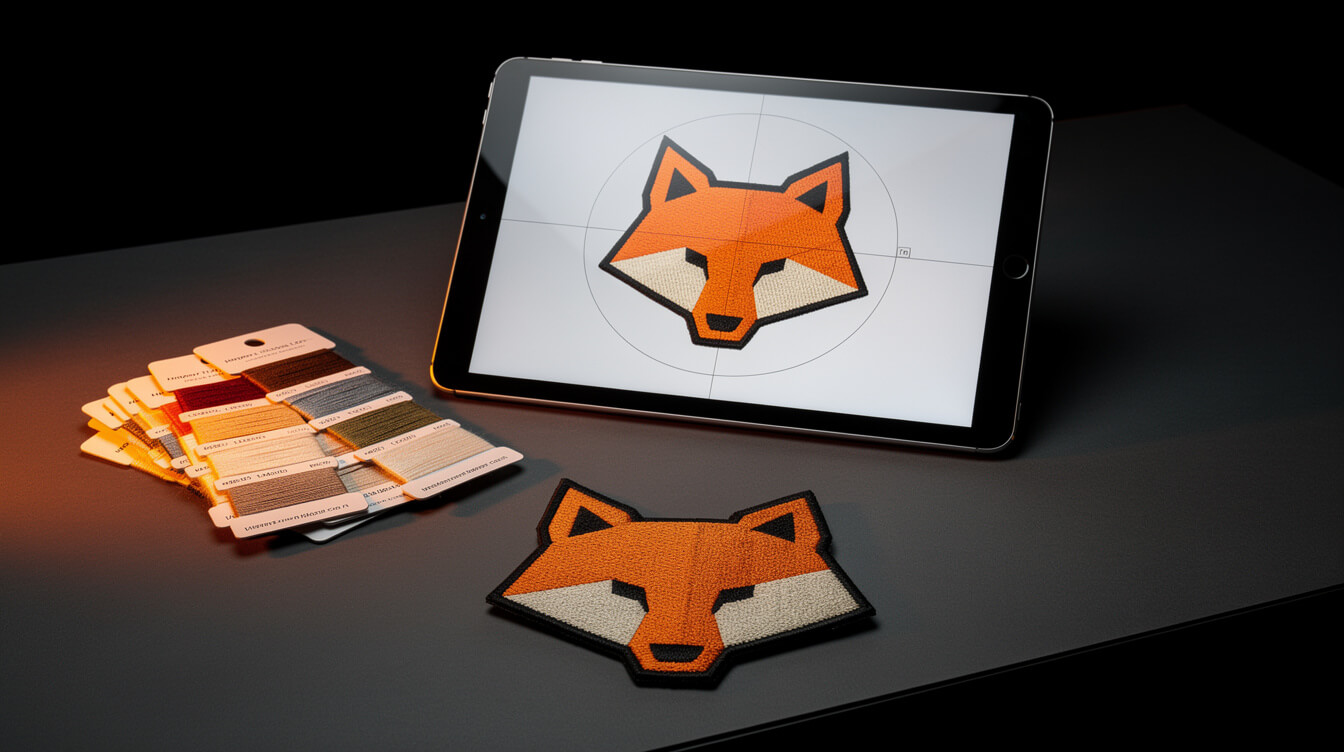
Embroidery is a translation, not a print. A digitizer converts your art into stitch paths, and anything too small or too subtle gets lost. These working rules keep patches looking like the mockup.
- Design at the real size. Printful’s largest patch is 4 inches wide. Your design will be viewed at about 3 inches, so judge it at that size, not on a 27-inch monitor.
- Use 4 to 6 colors. You have 15 thread colors available, but every extra color adds a thread change and visual noise. The best-selling patches usually use three or four.
- Keep lines thick. Thin outlines either disappear or turn wobbly. If a line is hair-thin at 3 inches, double it.
- Keep lettering large. As a working rule, keep letters at least a quarter inch tall. One bold word works. A full sentence does not.
- Leave a margin. The merrowed or satin border takes space. Keep important elements well inside the edge so the border does not eat them.
- No gradients or photos. Thread is a solid color. If the design needs a gradient, it belongs on a sublimated patch.
- Match the shape to the art. Circles suit emblems, rectangles suit wordmarks and landscape scenes, ovals suit vintage badge styles, and hearts suit gift and couples designs.
AI image tools are useful here, but only if you prompt for embroidery-ready art: flat vector, limited palette, bold outlines, no gradients. Generic AI art almost always fails the squint test above.
Niches where custom embroidered patches actually sell
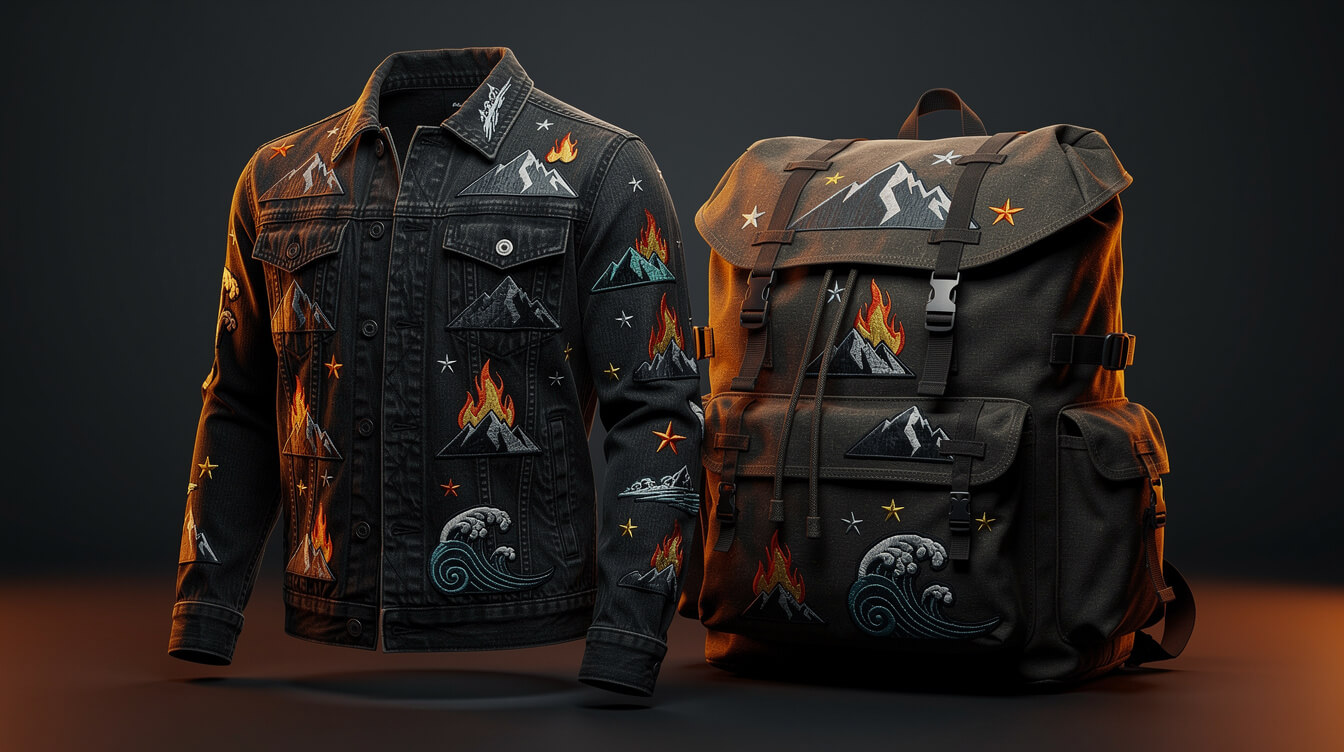
Patches sell best where the buyer already owns something to put them on and has a reason to collect more. These niches fit that pattern.
Outdoor and national parks
Hikers, campers, and van lifers stitch patches onto packs and jackets as a record of where they have been. Original landscape designs for trails, peaks, and lakes sell as souvenirs and in sets. Avoid official park logos and use your own art.
Streetwear and denim customization
Jacket and denim customizers buy patches in groups, which pushes your average order up. Bold flames, stars, skulls, florals, and retro emblems work well in thread. A collection of five or six designs in one style is more effective than a dozen unrelated ones.
Morale and tactical patches
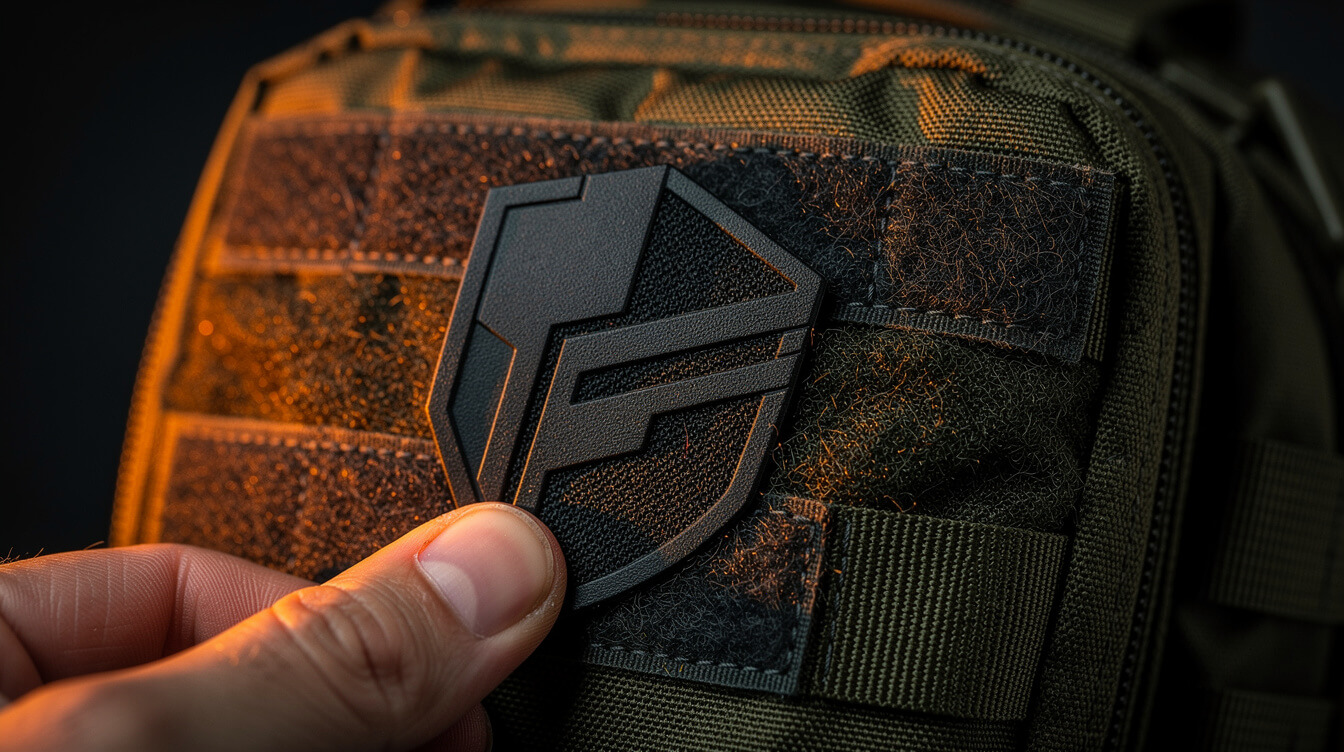
Hook-and-loop patches are a collecting culture. Humor, original mascots, and in-jokes for specific hobbies such as airsoft, overlanding, and range days all sell. Stick to original designs and avoid real unit insignia or military marks you do not have rights to.
Clubs, teams, and scouts
Youth sports clubs, run clubs, motorcycle clubs, and scouting groups order in batches and reorder each season. These are your 25-unit bulk orders, and they come back.
Small brands and creators
Podcasts, coffee roasters, breweries, and bands use patches as low-cost merch that buyers keep. A patch at $16 to $22 is an easy yes for a fan who is not ready for a $55 hoodie.
To build these collections, you need to test a lot of designs quickly. MEGA automates this step entirely: niche research, design generation, mockups, titles, and the full WooCommerce listing in under seven minutes per product.

Six patch designs, six listings, one afternoon
MEGA handles research, design, mockups, titles, SEO, and the WooCommerce listing end-to-end. It takes under seven minutes to go from niche idea to live product, 30x faster than the manual Canva workflow.
Shopify’s 1% override vs WooCommerce at a $22 patch AOV
Patches are a low-ticket product, which makes percentage fees hit harder. On a $22 patch with $8.20 gross profit, every point of revenue you give away is a meaningful share of what you keep.
At 200 patch orders a month at $22, revenue is $4,400. Shopify’s 1% override takes $44 a month, or $528 a year. At 500 orders a month, that becomes $110 a month, or $1,320 a year. That $44 a month equals the gross profit on more than five patches, every month, before the Shopify plan and before apps.
Personalization costs more. Name patches, club patches, and “your text here” designs need custom text fields. On Shopify, that usually means a product options app at $15 to $29 a month. WooCommerce handles text fields and variations natively or with a one-time add-on, and hosting runs a fixed $15 to $30 a month, or $180 to $360 a year, whether you sell 10 patches or 10,000. We broke down the full comparison in our WooCommerce vs Shopify guide for POD sellers.
There is a second reason to sell patches on an owned store. Club and team buyers reorder. On WooCommerce, you own the customer record and email, so the soccer club that ordered 25 patches in September hears from you before next season without paying a marketplace to reach them again.
Conclusion: the custom embroidered patches verdict for POD sellers
Custom embroidered patches are now a real no-minimum POD product. Printful stitches them one at a time on twill in five shapes, from about $9.31 base, with a one-time digitization fee of up to $6.50 per design. Printify covers the printed side with sublimated patches for photographic art. The B2B patch factories that dominate search are still the right call for woven, PVC, and proven high-volume designs, but you no longer need them to start.
The economics come down to three rules. Price standalone patches at $22 or more, because shipping eats anything lower. Push patches as add-ons to apparel orders and as group orders of 25 or more, where Printful’s bulk price and free digitization improve the margin. Keep designs bold, flat, and limited to a few colors so the stitching matches the mockup.
Frequently asked questions
Do iron-on custom embroidered patches survive washing? Printful says its iron-on backing lasts through gentle washing, while sew-on attachment holds up to frequent wear. For jackets, bags, and anything washed often, tell buyers to iron the patch on first and then add a few stitches around the edge. Put that tip in your listing and in the order confirmation email, because it heads off most “my patch fell off” complaints.
Can buyers upload their own logo? Yes, but every new design triggers a digitization fee on Printful. If you offer custom logo patches, either build the fee into the price or set a minimum quantity for custom uploads so one $22 order does not absorb a $6.50 setup cost.
How long do custom embroidered patches take to arrive? When we checked an order to the United States on October 11, Printful estimated delivery for October 16 to 19. Add a few days during Q4, and list patches for holiday gifting by early November.
Can I sell patches with sports team or brand logos? Not without a license. Licensed marks are the fastest way to lose a store. Original designs for the activity itself, such as a trail, a sport, or a hobby, sell just as well and carry no takedown risk.
Should I start with embroidered or printed patches? Start with whichever matches your art. Bold vector designs belong in thread. Photos and painted art belong on sublimated patches. Many stores list both, with the embroidered version priced a few dollars higher for the texture.
If you want a cheaper entry product beside your patches, our custom sticker sheet guide covers the next rung down in price, and the two pair well as a collector bundle.
A note on how this post was made: it was researched and assembled with the MEGA stack, the same pipeline that builds product listings for our users. If you want that throughput on your own catalog, MEGA handles research, imagery, titles, SEO, and the WooCommerce product end-to-end.
Implement AI. 30x your throughput. Get a 30-min call with the founder.
Drop your details and book a free 30-minute discovery call. Personalized advice on your POD stack, your margin, and where AI fits. No pitch, no fluff.