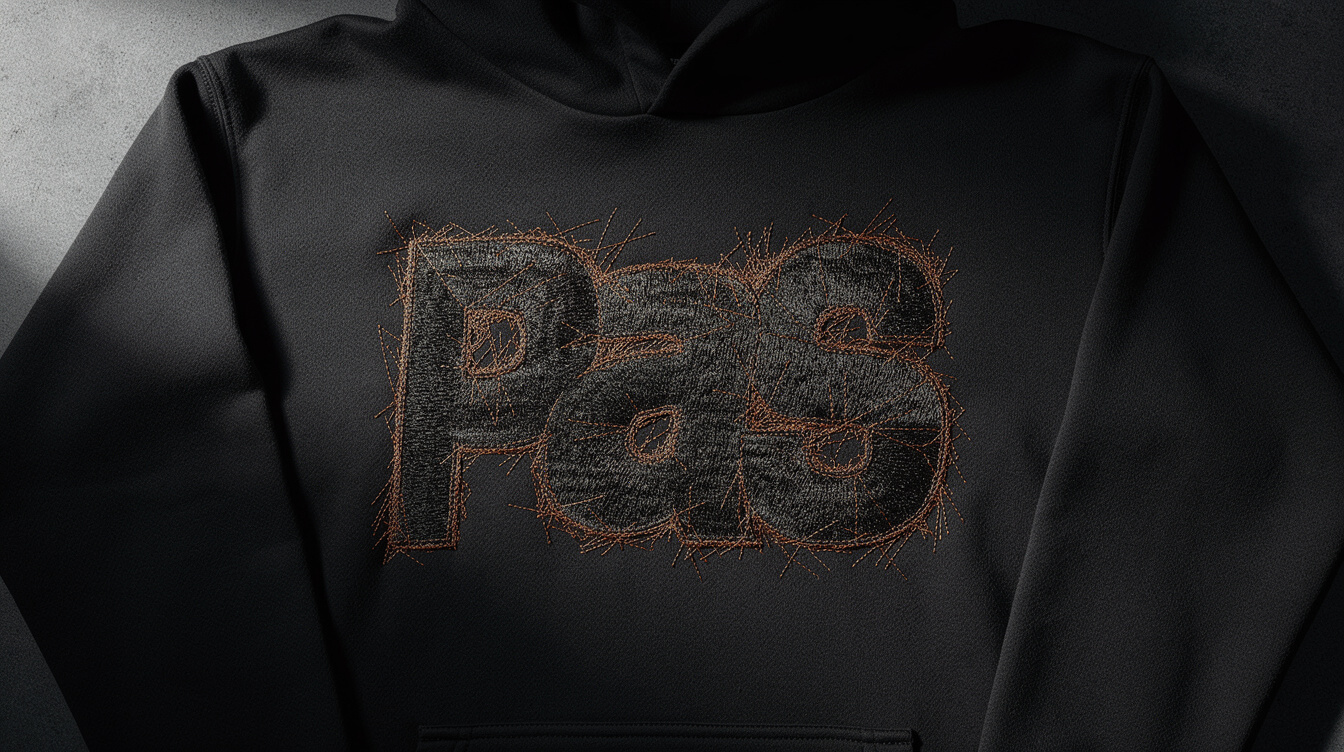
Custom hoodie embroidery for POD stores: no-minimum options, unit economics, and what Printful actually charges
If you search “custom hoodie embroidery” right now, every result is a bulk corporate supplier. TeamShirts. CustomInk. Carhartt workwear. All of them require 6, 12, or 24 units minimum before they will even talk to you. For a print-on-demand seller running a WooCommerce store, that wall is the whole problem. Custom hoodie embroidery is available at no minimum through Printful, and the unit economics are better than most sellers assume. This post breaks down what Printful actually charges, what your designs need to look like, and when embroidery makes more margin sense than DTG.
Why the custom hoodie embroidery SERP is full of corporate bulk suppliers (and why that matters)

The search results for “custom hoodie embroidery” are dominated by companies built for HR departments ordering team swag and event organizers buying 50 units at a clip. That is their entire business model. The minimum order exists because their workflow requires batch setup time: a digitization specialist converts your artwork, the machine is threaded and calibrated, and the per-unit cost only makes sense when that setup cost is spread across a large order.
This creates a real gap in the market for content. There is almost no editorial coverage of what embroidered hoodies look like as a POD product line for an individual seller running a WooCommerce or Shopify store. The assumption baked into almost every result is that you are buying in bulk. But the Printful model breaks that assumption entirely, and most POD sellers do not know it.
The consequence: if you are a WooCommerce seller who has considered adding embroidered hoodies but assumed you would need to buy inventory upfront, you have been misled by the SERP. No-minimum embroidery is real, the quality is competitive, and the per-unit margin is viable at low volume. The rest of this post will show you the actual numbers.
Embroidery vs DTG vs screen printing: print method comparison for POD sellers
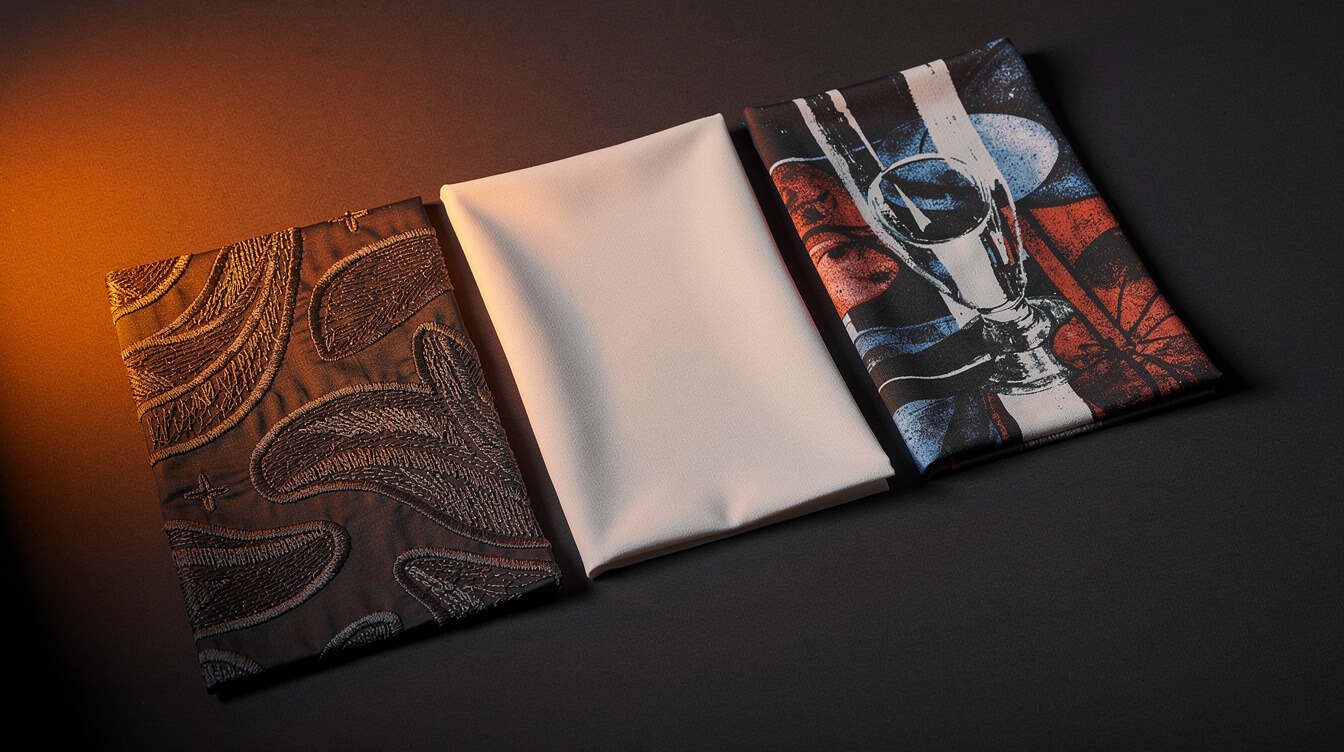
Before getting into Printful’s embroidery specifics, it is worth being precise about what each print method actually is, because the differences matter for pricing, design requirements, and customer perception.
DTG (direct-to-garment): An inkjet printer applies ink directly to the fabric surface. Best for complex designs with many colors and gradients. Lower perceived value than embroidery at the same price point. Works well on light-colored garments; dark garments require a white underbase layer which adds cost. Printful charges approximately $5-8 for a front chest print on a hoodie, depending on design size and color count. As covered in our DTG vs DTF comparison, DTG is the right call when design complexity is high and you are selling at a lower price point.
Screen printing: Ink pushed through a mesh screen onto the garment. Cheapest per-unit method at volume, but requires setup fees and minimum quantities. Not offered by Printful as a standard POD method. Relevant only if you move to bulk fulfillment.
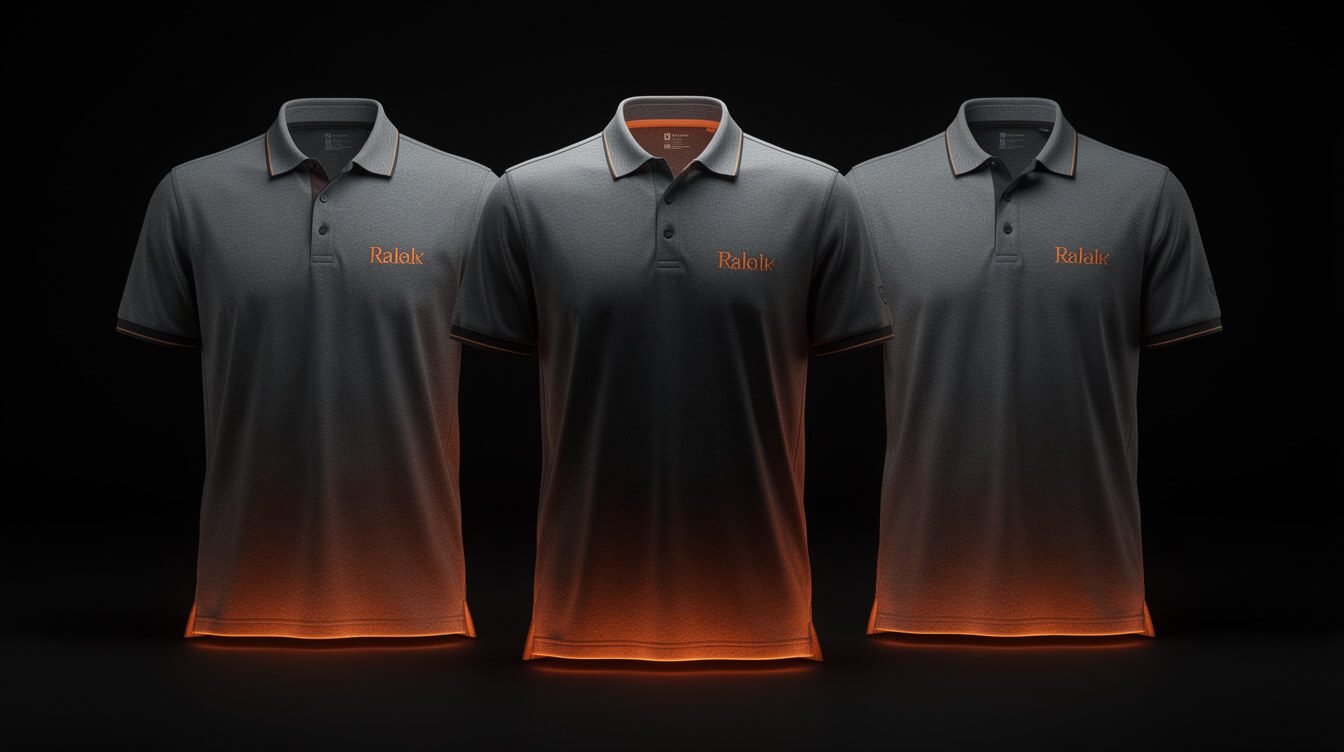
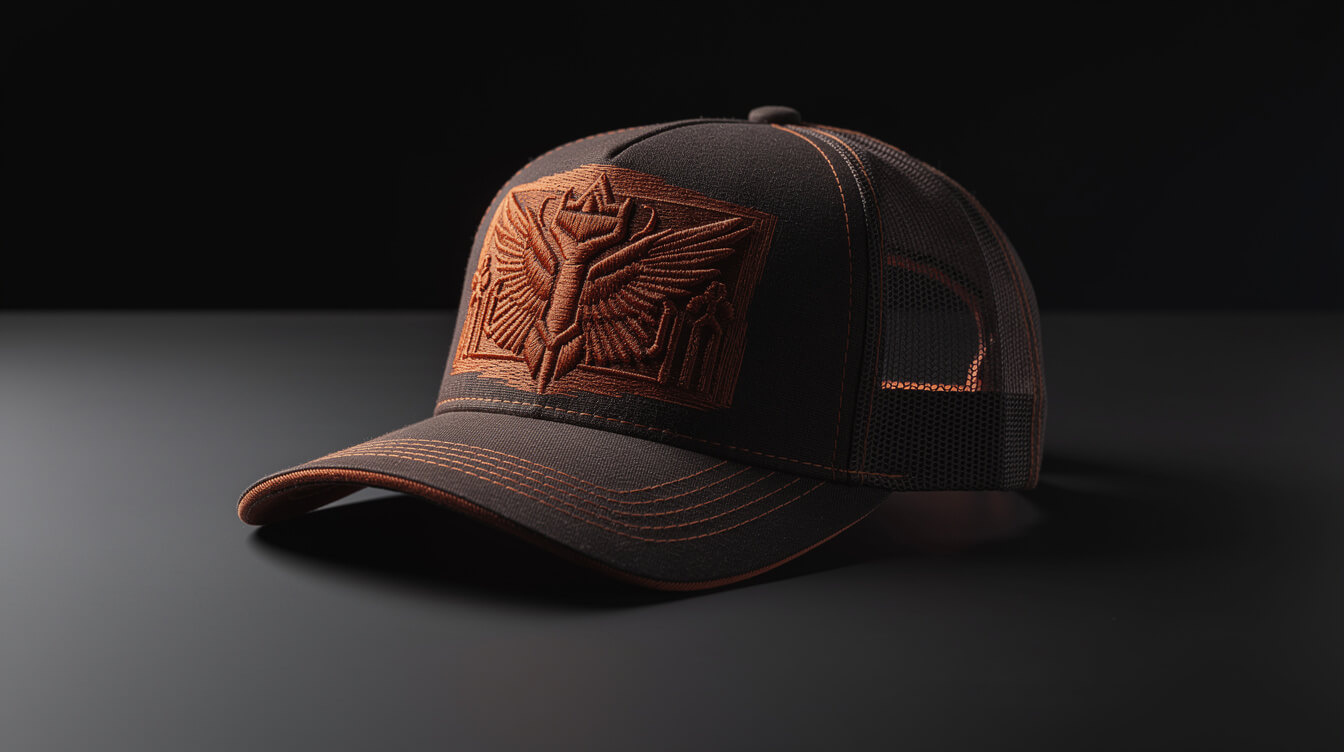
Embroidery: Thread stitched directly into the fabric by a multi-needle machine. Higher perceived value than DTG at the same retail price. Works especially well on structured garments like hoodies, hats, and polo shirts where the raised texture adds to the premium feel. Design complexity is constrained by stitch count rather than color count. More expensive per unit than DTG at comparable design sizes.
For POD sellers, the core tradeoff is this: DTG is cheaper per unit and handles complex art better. Embroidery signals premium quality and holds up better through washing. The customer willing to pay $65 for a hoodie rather than $45 is often responding to the embroidery, not the base garment.
Printful embroidery: what it offers, unit costs, and turnaround times
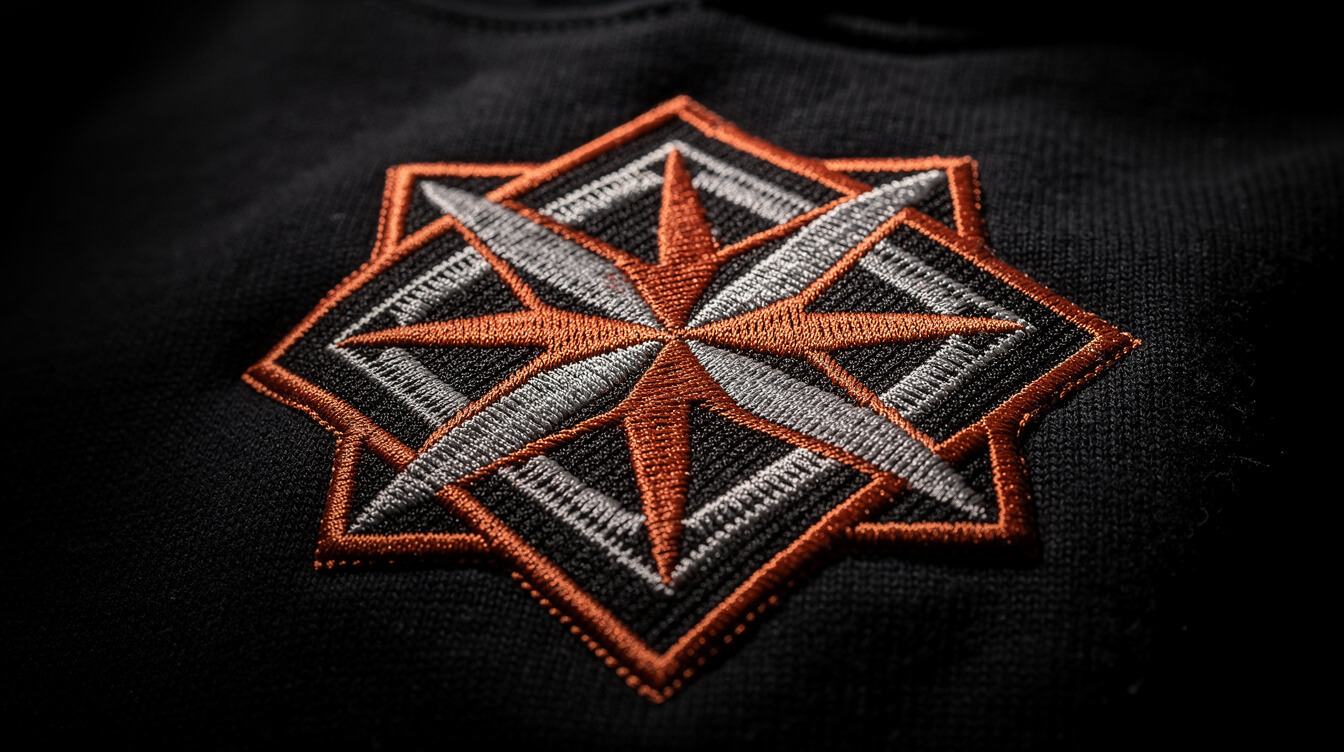
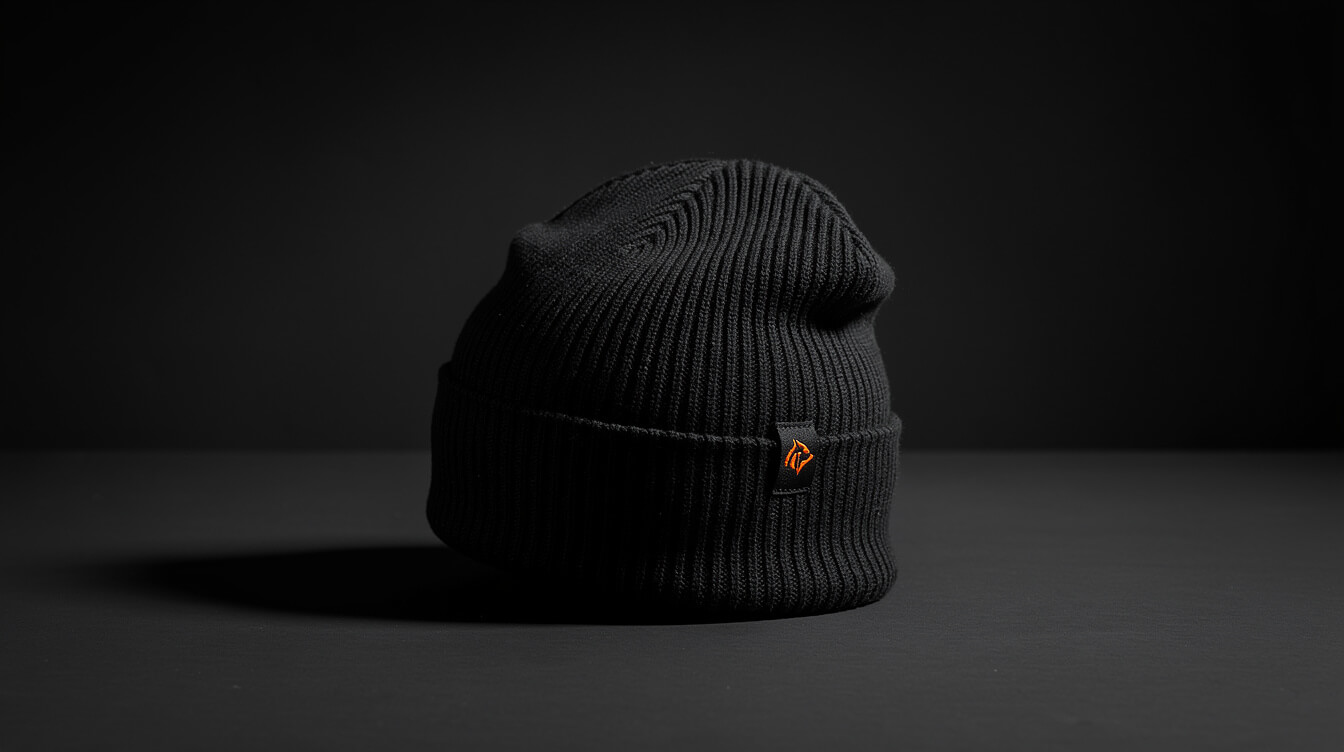
Printful offers embroidery on hoodies, sweatshirts, hats, beanies, polo shirts, and a handful of accessories. For hoodies specifically, you can add embroidery to the chest, back, sleeve, and hood. No minimum order is required. A single unit is fine.
As covered in our Printful custom hoodies guide, the fulfillment model is straightforward: you create a product in Printful’s dashboard, place your embroidery placement and design, and the order is produced and shipped when a customer buys. You never touch inventory.
Printful embroidery pricing breakdown
Printful charges for embroidery based on stitch count, not design complexity in the same way DTG is priced. Their current pricing structure works as follows:
- Up to 10,000 stitches: approximately $2.95 added to base product cost
- 10,001 to 15,000 stitches: approximately $4.95
- 15,001 to 20,000 stitches: approximately $7.95
- 20,001+ stitches: priced on request, typically for large back embroideries
A standard chest logo (think a 3-4 inch wide design at roughly 8,000-12,000 stitches) will add $3-5 to your base hoodie cost. If your base hoodie (Gildan 18500 or similar) runs $17-19 through Printful, you are looking at a total fulfillment cost of $20-24 for an embroidered chest logo, before shipping.
Digitization fee: Printful charges a one-time digitization fee of $6.50 per design. This converts your vector artwork into the embroidery instruction file the machine reads. You pay this once per design, not per order. For a product line you plan to sell for months or years, this cost is negligible.
Turnaround: Production typically runs 2-5 business days, same as DTG. Shipping times are identical to other Printful products.
Design requirements for embroidery: stitch count, vectorization, and what AI-generated designs need
Smash print-on-demand. Join the engine room.
One short email a week. Real numbers, real teardowns, the unfiltered economics behind every move.
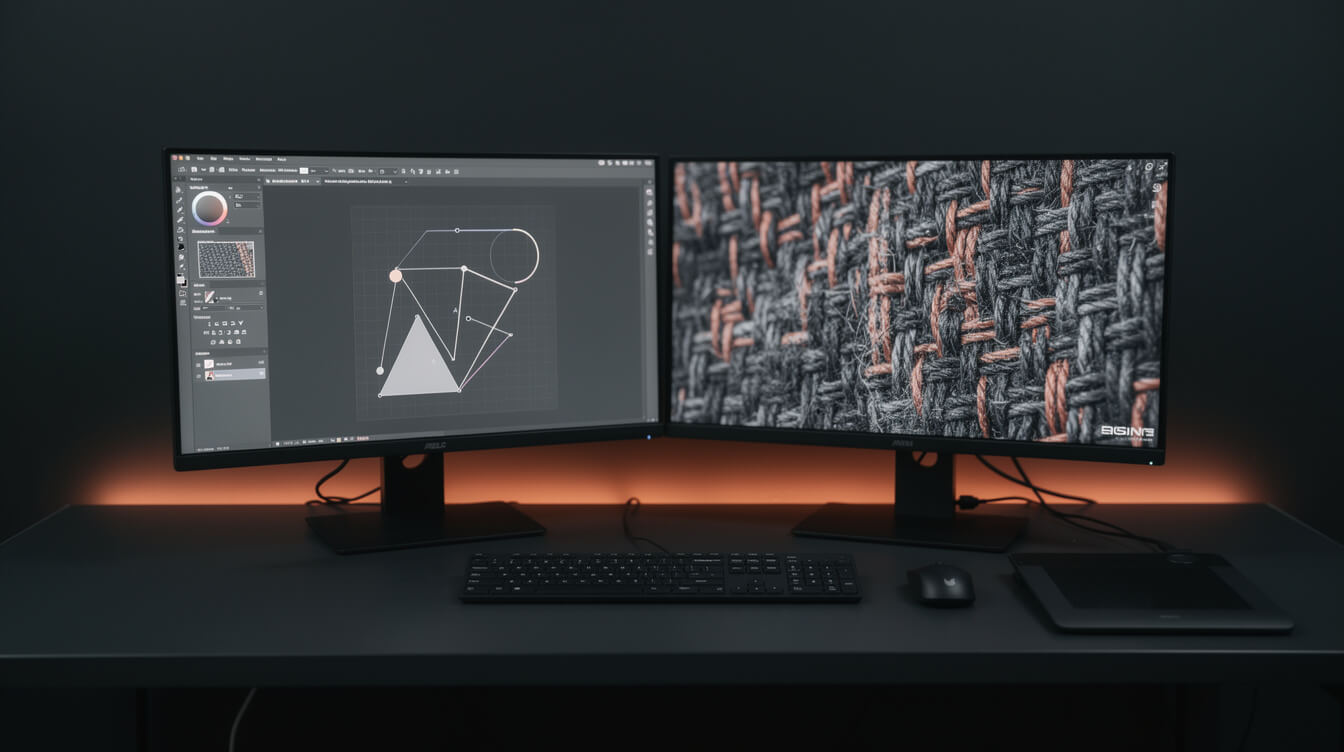
This is where most POD sellers hit a wall, especially those using AI image generation to create their product designs. The requirements for embroidery are different from DTG, and they require a conversion step that DTG does not.
What embroidery machines actually read
An embroidery machine does not read a PNG or a JPEG. It reads an embroidery instruction file (DST, EMB, PES format) that specifies exactly where each needle should go, in what order, with what thread color. This file is called a digitization file. Printful’s digitization service creates this from your submitted artwork, but the quality of the output depends heavily on the quality and type of artwork you submit.
Vector is the starting point
Printful requires vector artwork (SVG, AI, EPS) for embroidery, or a high-resolution raster file (minimum 300 DPI at final embroidery size). The reason: their digitizers need to trace the edges of your design to define stitch paths. Blurry or pixelated artwork produces imprecise stitch paths and soft edges on the final product.
What AI-generated designs need to work for embroidery
If you are using an AI image generator like Flux or Midjourney to create your hoodie designs, the image you get is a raster file, not a vector. To use it for embroidery, you need one additional step: vectorization. Tools like Adobe Illustrator’s Image Trace, Vectorizer.ai, or manual tracing in Inkscape can convert a clean raster image to a usable vector. As noted in our AI t-shirt design workflow guide, AI images with soft gradients, photorealistic textures, or complex backgrounds are difficult to vectorize cleanly. Designs that work well for embroidery tend to be bold, limited to 6-8 solid colors, and high-contrast. A geometric logo will vectorize and embroider beautifully. A detailed landscape illustration will not.
Stitch count limits what you can embroider
Every stitch takes time. A design with 50,000 stitches takes roughly 30 minutes to produce on one machine head. Printful caps its standard embroidery service at designs that can be produced efficiently. As a practical rule: keep chest logos to 10,000-15,000 stitches and small cap or sleeve logos to under 5,000. Complex photorealistic art is not a candidate for embroidery at any stitch count.
The no-minimum math: embroidery unit economics for WooCommerce POD stores
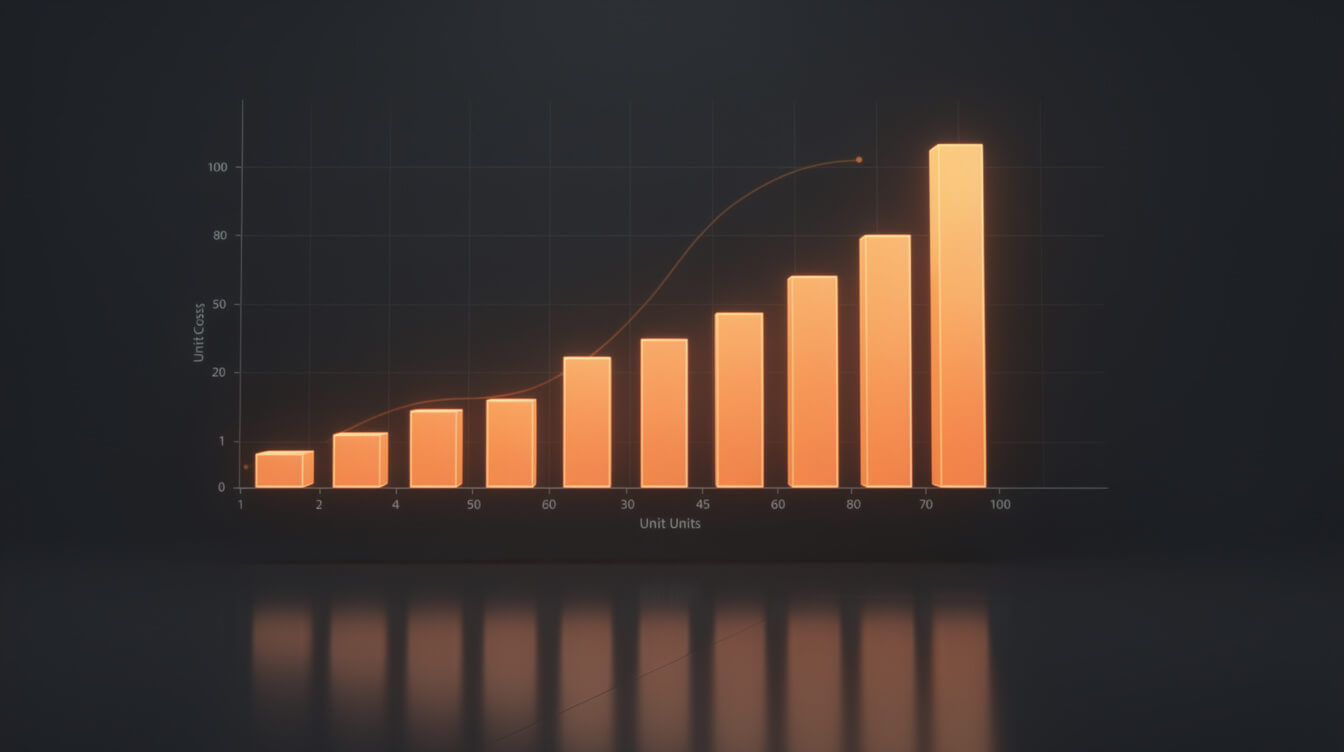
Here is what the numbers actually look like for a POD seller running an embroidered hoodie product line through a WooCommerce store connected to Printful.
Sample unit economics: embroidered chest-logo hoodie
- Base garment (Gildan 18500 Heavy Blend, black): $18.00 (Printful base cost)
- Embroidery fee (10,000 stitches, chest placement): $4.95
- Digitization fee (one-time, amortized over 50 units): $0.13 per unit
- Shipping (US domestic, estimated): $4.99
- Total fulfillment cost: $28.07 per unit
At a retail price of $54.99, your gross margin is $26.92 per sale, or about 49%. On a WooCommerce store, that margin stays with you. On Shopify, you also pay Shopify’s 1% platform override fee on every transaction, which at $54.99 is $0.55 per sale, adding up to $550 per 1,000 units sold. That is not nothing. It is also why WooCommerce ownership changes the economics of premium product lines like embroidered hoodies over time.
Compare this to a bulk embroidery order: a typical bulk supplier at 24 units might charge $28-32 per hoodie at similar quality, but you are committing $672-768 upfront in inventory, plus the risk of unsold units. The no-minimum model eliminates that inventory risk entirely. You sell one, Printful makes one. The per-unit cost is slightly higher than bulk at 24+ units, but the capital efficiency is dramatically better.
For sellers who want to run that math at scale automatically, tools like MEGA can generate the product listing, size variants, and pricing structure for embroidered hoodies in under seven minutes, pulling from your niche research and margin targets. The pipeline handles what takes most sellers hours of manual work.
Generate embroidered hoodie listings in under 7 minutes
MEGA handles the research, product naming, description copy, pricing math, and WooCommerce listing for your embroidered hoodie line. One niche idea in, a full product page out.
When embroidery beats DTG (and when it does not)
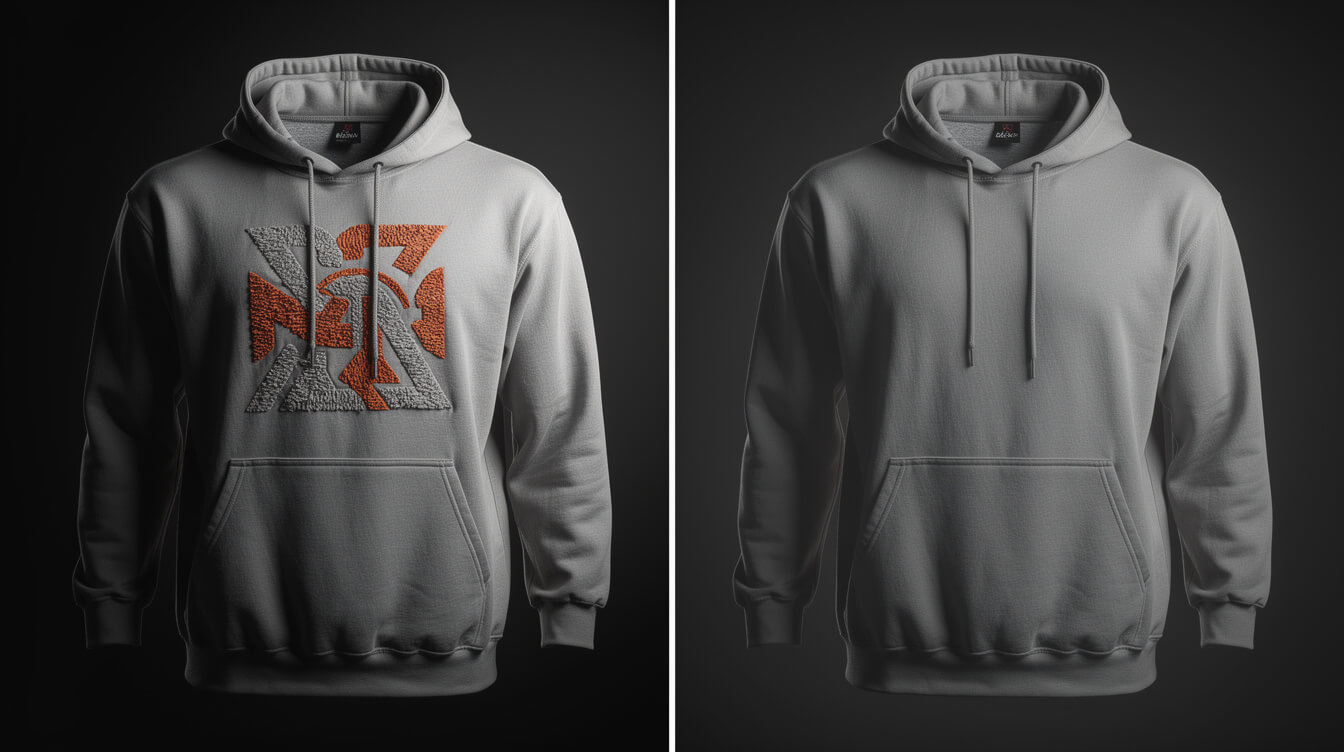
The choice between embroidery and DTG is not about which is objectively better. It is about which is better for your specific product, niche, and price point. Here is how to think through it.
Embroidery wins when
- Your design is a clean logo or icon. Bold geometric shapes, simple text-based logos (converted to embroidery format), and minimal icons translate perfectly to thread. The raised texture adds dimensionality that DTG flat prints cannot replicate.
- You are selling at the premium tier. A hoodie retailing at $55-70 feels more justified with embroidery than at $35-45. The perceived quality matches the price point. Customers expect embroidery on premium garments.
- The garment is dark-colored. DTG on dark garments requires a white underbase, which can make prints look slightly plastic and affects hand feel. Embroidery has no such limitation on dark fabrics. A black hoodie with a lava orange embroidered chest logo looks cleaner than a DTG equivalent.
- Your target customer washes frequently. Embroidery outlasts DTG prints in repeated washing. If you are selling to people who will wear and wash this hoodie regularly, embroidery durability is a meaningful quality argument.
- You are building a brand, not just a product. Embroidered branding signals permanence and care. It reads differently than a printed hoodie. If brand perception is central to your product strategy, embroidery carries more weight.
DTG wins when
- Your design has complex gradients or photorealistic elements. Embroidery cannot replicate photographic detail. If your design requires it, DTG is the only viable POD method.
- You are selling at a lower price point. At a $35 retail price, adding $5 in embroidery cost compresses margins significantly. DTG at $4-7 total print cost gives you more room to price competitively.
- Design variety is high. Each new embroidery design requires a $6.50 digitization fee. If you are testing many designs quickly, that adds up. DTG has no per-design setup fee.
- You are testing a niche. Before committing embroidery digitization costs to a new niche, validate demand with DTG at a lower price point. Once a design proves it sells, upgrade to embroidery for the premium variant.
Setting up embroidered hoodie listings in WooCommerce: a quick walkthrough
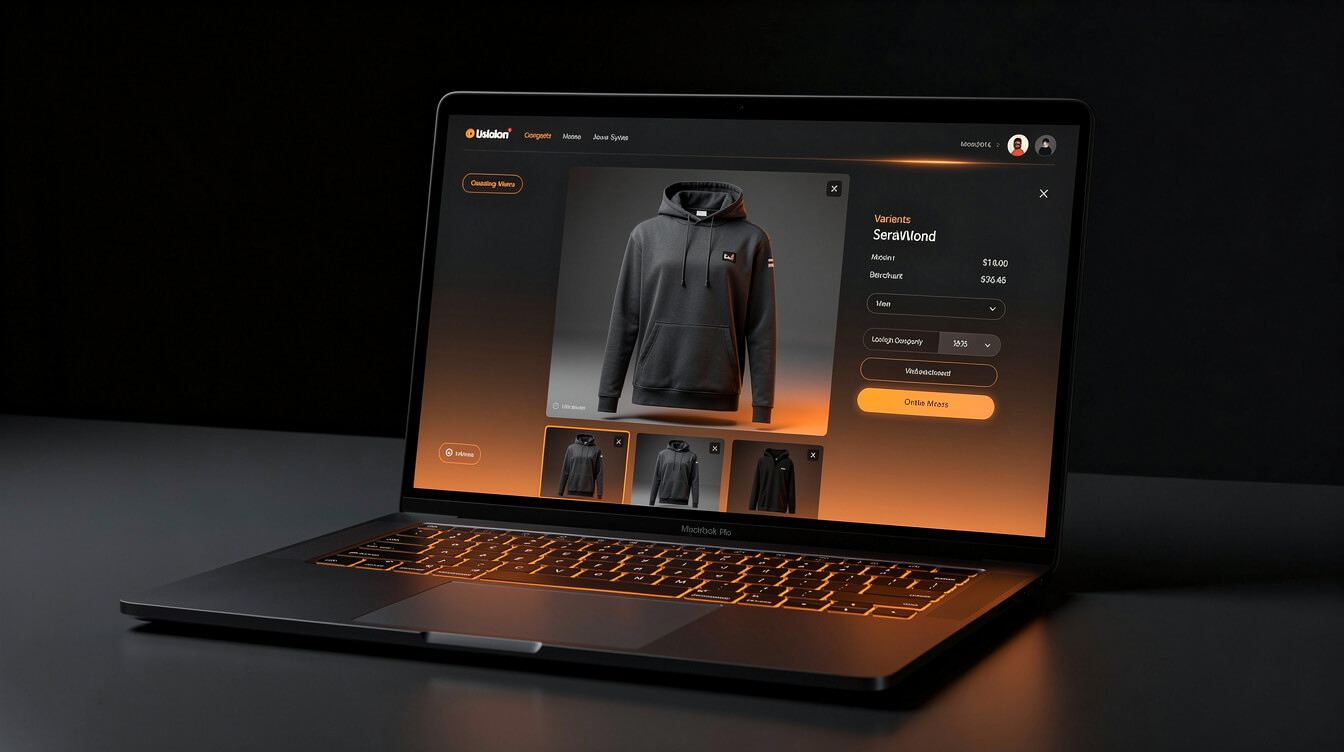
If you have a WooCommerce store connected to Printful, setting up an embroidered hoodie listing follows the same general flow as any Printful product, with a few embroidery-specific steps.
Step 1: Prepare your design file
Start with a vector file. If you generated your design with an AI tool, run it through a vectorization process first. Clean up stray anchor points, simplify paths, and verify the color count is within Printful’s thread color limits (typically 8-15 thread colors depending on the product and placement).
Step 2: Create the product in Printful
In the Printful dashboard, select the hoodie base (Gildan 18500 is the most popular for embroidery), choose your placement (chest, back, sleeve, hood), and upload your vector file. Printful’s mockup generator will show you a preview. The digitization fee ($6.50) is charged when you add the embroidery to the product.
Step 3: Sync to WooCommerce
Printful’s WooCommerce plugin syncs the product automatically. You will see the product appear in your WooCommerce products list with all size variants created. From there, set your retail price, write your product description, and publish.
Step 4: Price with margin in mind
Use the unit economics breakdown above as your starting point. A $50-60 retail price on an embroidered chest logo hoodie gives you a 45-50% gross margin after Printful’s base cost, embroidery fee, and domestic shipping. That margin holds without the Shopify 1% tax eating into it on every transaction.
For sellers building a multi-product catalog with embroidery as a core offering, the WooCommerce ownership model changes the long-term economics. The difference between paying 1% on every $55 transaction versus 0% compounds as volume grows. At 500 embroidered hoodie sales per month, that is $275/month returning to your margin rather than to Shopify’s platform fee. The full Printful review breaks down the integration details and what to expect across different product types.
Frequently asked questions about custom hoodie embroidery for POD
Does Printful embroider on any hoodie, or only specific styles?
Printful offers embroidery on a curated set of hoodies and sweatshirts, including the Gildan 18500 Heavy Blend, the Champion S700 (where available), and select Bella+Canvas and Comfort Colors styles. The available catalog changes periodically. Check the Printful product catalog for the current embroidery-eligible garments.
Can I offer embroidery on hoodies I already sell with DTG?
Yes. If you have an existing hoodie product with DTG, you can create a separate Printful product using the same base garment but with embroidery. List both in WooCommerce as separate SKUs (or as variants of the same product) and let customers choose. Positioning: DTG at a lower price, embroidery at a premium tier.
What file format does Printful require for embroidery?
SVG, AI, or EPS vector files are preferred. High-resolution PNG (300 DPI minimum at final embroidery size) is accepted but may require additional cleanup by Printful’s digitization team. Budget for a slight quality variation if submitting raster files.
Is there a stitch count limit for Printful embroidery?
Printful’s standard embroidery service handles designs up to approximately 15,000-20,000 stitches for most placements. Very large back embroideries with high stitch counts may require custom quoting. For chest logos and most standard placements, the standard service covers typical design requirements.
Can I use embroidery as a POD product without WooCommerce?
Yes. Printful connects to Shopify, Etsy, and other platforms as well. The no-minimum embroidery model works across all their integrations. WooCommerce is the recommended platform for sellers focused on margin and long-term store economics because there is no platform fee layer on top of Printful’s charges.
Conclusion
Custom hoodie embroidery is not just for corporate bulk orders. Printful’s no-minimum model means you can sell one embroidered hoodie at a time, at a margin that works, without touching inventory. The unit economics are real: a $55 retail price on an embroidered chest-logo hoodie yields 45-50% gross margin after Printful’s cost and shipping. The design requirements are manageable if you understand what embroidery machines need. And the customer perception benefit of embroidery over DTG is significant at the premium price point where POD sellers make the most money.
If you have been avoiding embroidery because you assumed it required bulk ordering, that assumption is wrong. The minimum order wall you see in the SERP belongs to a different business model entirely. Your WooCommerce store does not have that constraint.
Implement AI. 30x your throughput. Get a 30-min call with the founder.
Drop your details and book a free 30-minute discovery call. Personalized advice on your POD stack, your margin, and where AI fits. No pitch, no fluff.