Printful products: which ones are worth selling and which are not
Printful lists over 300 products in its catalog. That number is impressive on a homepage but close to useless when you are sitting down to decide what to sell. You need to know which products are worth building a business around and which ones will eat your margins before a single order ships.
This breakdown is not Printful marketing copy. It is a seller-perspective analysis of the printful products catalog, with real base prices, realistic retail ranges, and the margin math POD store owners actually need. If you are running a WooCommerce-based store or considering one, there is an additional layer here on integration costs and platform economics that most catalog reviews skip entirely.
Here is what you will find below: margin rankings, a print method breakdown, a Printful vs Printify catalog comparison, and a practical evaluation framework for deciding what belongs in your store.
The Printful catalog at a glance: what 300+ products actually means
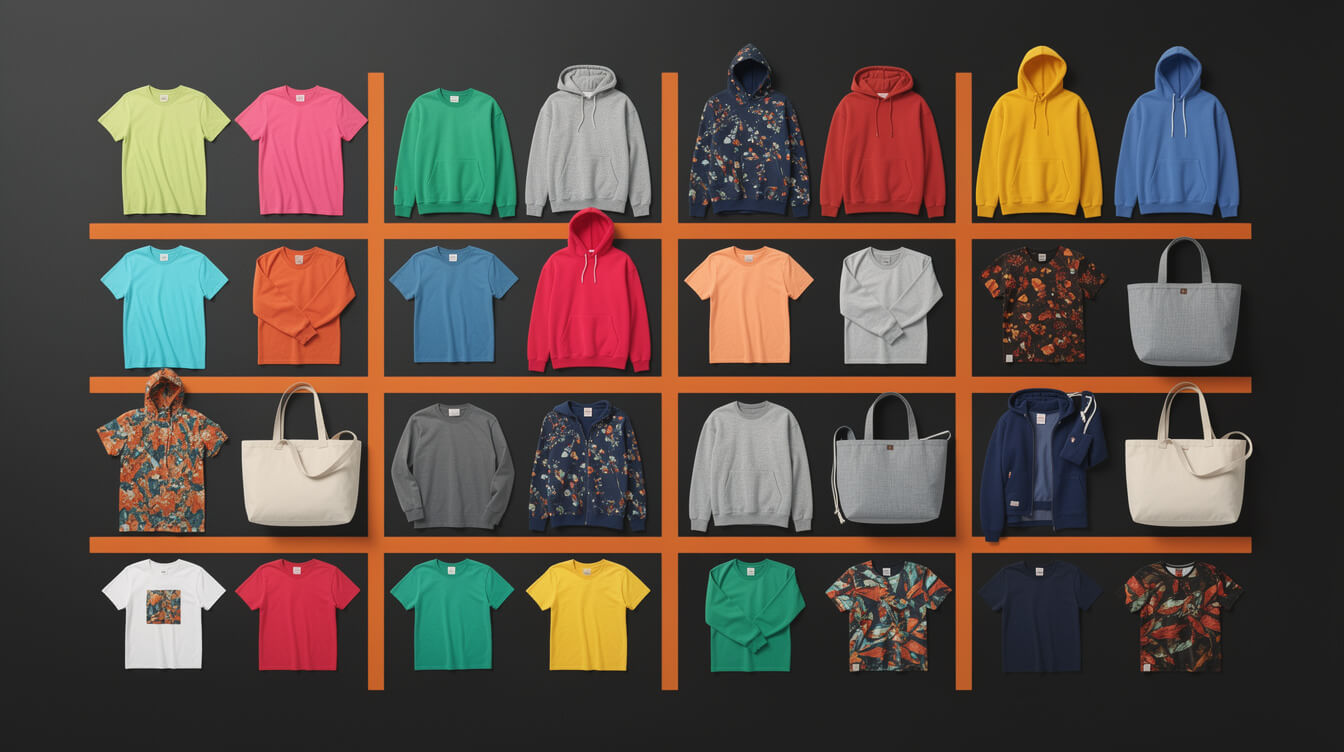
Printful organizes its catalog into four main categories: apparel, accessories, home and living, and eco products. Apparel is by far the largest, covering t-shirts, hoodies, sweatshirts, tank tops, leggings, dresses, and outerwear. Accessories include hats, bags, phone cases, and stationery. Home and living covers mugs, wall art, pillows, blankets, and drinkware. The eco line is a small but growing segment of organic cotton and recycled-material items.
Three print methods run across these categories: direct-to-garment (DTG) printing, embroidery, and all-over sublimation. Not every product supports every method. That matters because the method determines your base cost, your quality ceiling, and which niches you can realistically serve.
Printful fulfills from facilities in the United States, Mexico, Europe, and Japan. That geographic spread affects production and shipping time depending on where your customers are. A US-based store selling to US customers gets 2-5 business day production plus 3-7 day domestic shipping. A US store selling to European customers adds days and cost. Know your customer geography before you build your catalog.
One thing the catalog number does not tell you: not all 300+ products are equal from a seller standpoint. Some have strong margins, fast production, and broad appeal. Others have narrow print areas, fragile profit floors, or high base prices that make competitive retail pricing impossible. The rest of this breakdown separates those two groups.
Which Printful products have the best margins in 2026: the math, not marketing
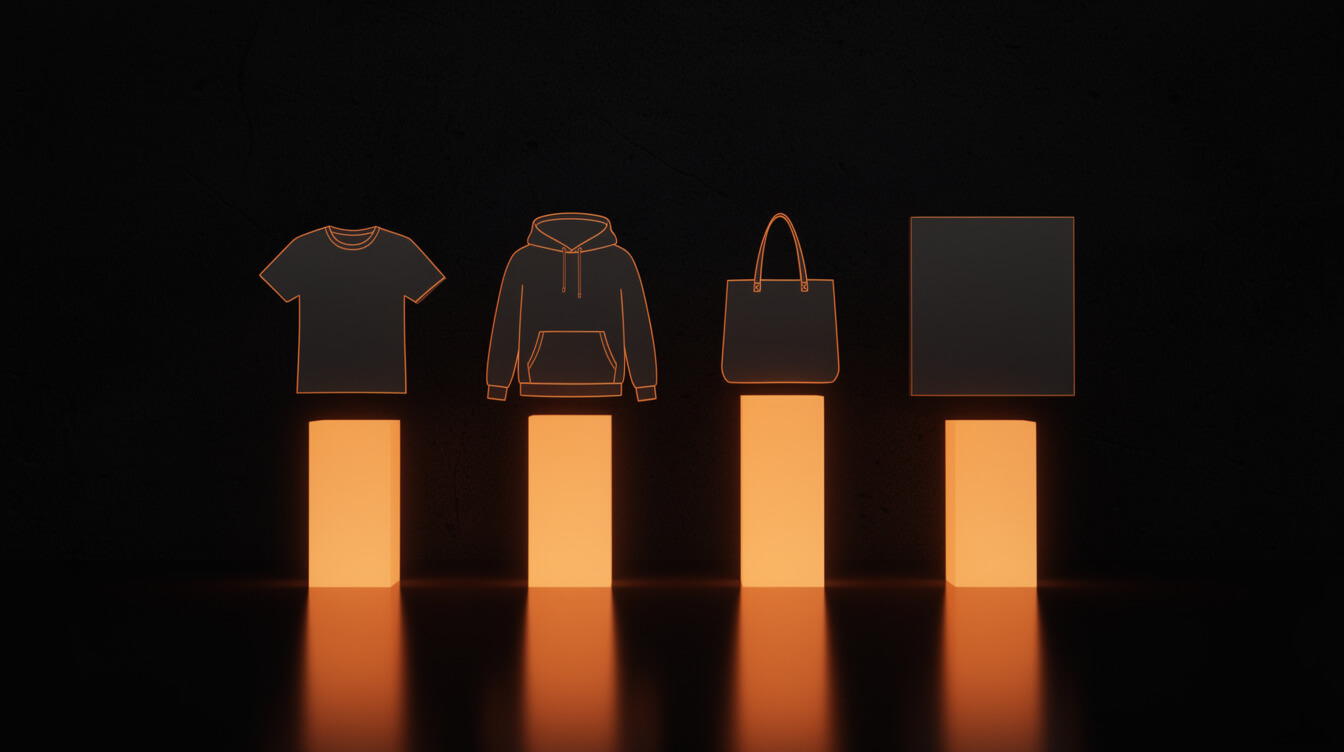
Margins on Printful products follow a predictable pattern: the higher the base price, the lower the percentage margin at any given retail price point. Here is a honest breakdown across the four categories that generate the most seller volume.
T-shirts: the entry product
The Bella Canvas 3001 is the benchmark. Printful’s base price sits around $12.25 for a standard print. At a $28 retail price, that is a $15.75 gross margin, or about 56% gross. Decent, but you are competing with thousands of other Bella Canvas stores. The Gildan 64000 runs cheaper at around $9.95 base, which gives you more pricing flexibility if you are targeting a budget audience.
T-shirts have the lowest barrier to entry and the highest competition. They work best when paired with a specific niche angle that justifies a price premium. A generic t-shirt at $28 is a commodity. A t-shirt for a very specific audience that cannot find that design anywhere else commands $35-40, which pushes your margin to $22-28 and changes the economics entirely.
Hoodies: the margin sweet spot
Printful’s Gildan 18500 hoodie has a base price around $27.95 for DTG. Retail hoodies in the $55-65 range are common and feel fair to buyers. That range gives you a $27-37 gross margin, which is approximately 50% gross. The Bella Canvas 3719 sweatshirt runs slightly higher at around $30.50 base but supports a $65-75 retail price point, particularly in fashion-adjacent niches.
Hoodies have higher perceived value than t-shirts, which means buyers accept higher price points. They also have seasonal demand, with strong spikes from October through February. If you are building a serious POD store, hoodies should be in your catalog. The margin per unit is one of the strongest in the apparel category.
Tote bags: low cost, high versatility
The Printful tote bag base price sits around $10.50 with a full print. At $22-28 retail, you get $11-17 gross margin. Percentage-wise that is 50-65%, which is strong. Tote bags also have minimal sizing complexity compared to apparel, which reduces the number of variants you need to manage per design.
The practical ceiling on tote bags is the retail price a buyer will accept. Most people will not pay $40 for a tote bag unless the brand has strong recognition. Know your audience before building a tote-heavy catalog.
Framed wall art and canvas prints: the highest-margin category
This is where Printful’s margins genuinely stand out. An 8×10 canvas print has a base cost around $10-14 depending on the variant. At a $35-45 retail price, you are looking at $21-35 gross margin, which is 60-75% gross. Larger sizes have higher base costs but retail for significantly more, and the margin percentage holds.
Wall art has no sizing complexity, no returns due to fit, and high perceived gift value. It is also a category where design quality directly justifies price. A wall art print that looks exceptional at a $40 price point will sell. A mediocre one will not, regardless of the margin structure. Printful art prints are one of the most frequently recommended categories for new POD sellers for exactly this reason.
DTG vs embroidery vs sublimation on Printful: what each method costs you
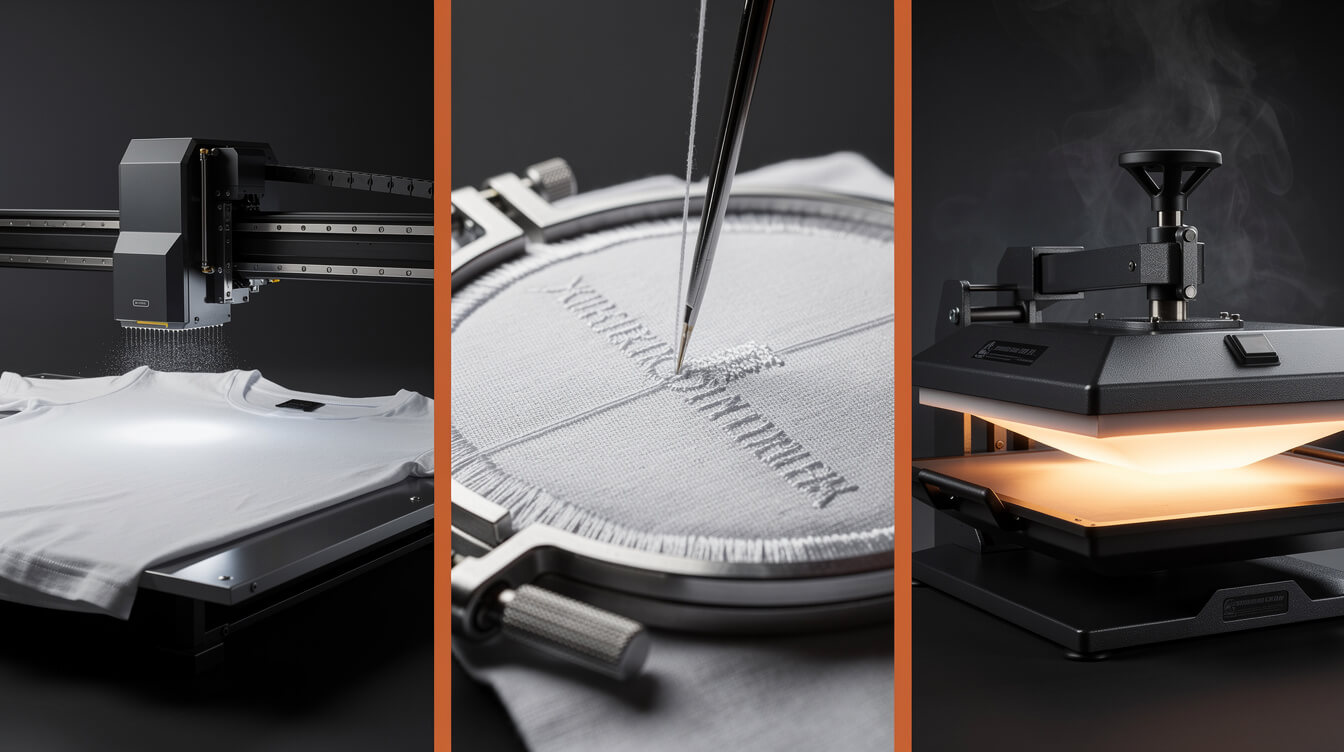
Understanding how Printful’s print methods affect your per-unit cost is non-negotiable before you build your catalog. The method is not just a quality variable. It is a cost structure variable.
Direct-to-garment (DTG)
DTG is the default for most Printful t-shirts, hoodies, and sweatshirts. An inkjet-style head sprays the design directly onto the fabric. There is no setup fee, no minimum order, and no design complexity constraint. DTG handles photographic gradients and full-color artwork without upcharges. That flexibility is why most POD stores start here.
The cost note: DTG adds roughly $2-4 per placement (chest vs back vs sleeve) depending on the product. Full front + back prints are common and add to your base cost accordingly. On a t-shirt with front and back printing, expect a combined base in the $14-16 range. This still supports healthy margins at $30-35 retail.
DTG also works on dark fabric, though it adds a white underbase layer that slightly affects feel. If soft hand-feel on dark shirts is important for your brand, the alternative is a sublimation-on-polyester approach for lighter colors only.
Embroidery
Printful’s embroidery is thread-stitched, which gives it premium durability and a different aesthetic from DTG. Hats, polo shirts, and certain sweatshirt styles support embroidery. The base cost is higher than DTG by default, and Printful charges an additional digitization fee for new designs, which is a one-time cost per design amortized across orders.
Embroidery is a strong choice for niches where premium perception matters: corporate merchandise, sports teams, work uniforms, and upscale casual brand builds. It supports higher retail pricing because buyers immediately recognize the quality difference. Printful custom hoodies with embroidered logos are a common high-ticket item for this reason.
The limitation: embroidery does not handle photographic or gradient-heavy designs. If your brand runs on complex illustrations, DTG on the same product will serve you better.
All-over sublimation
Sublimation prints dye into polyester fabric, covering the entire surface of the product. It produces vivid, seamless all-over patterns with no drop-off at seams. Printful supports sublimation on leggings, certain t-shirts, activewear, and accessories.
The cost is higher than standard DTG because the entire product surface is printed. Sublimation is most effective for fashion-forward niches, activewear brands, and any design where edge-to-edge visual impact is the core value proposition. The requirement for white or light-colored polyester fabric limits the product range, but within that range the results are among the best in the Printful catalog.
If you want a full comparison of how printing methods affect your finished product, the breakdown in DTG printing vs screen printing covers the technical differences in more detail.
Printful’s new products in 2026: what is worth adding and what to skip

Smash print-on-demand. Join the engine room.
One short email a week. Real numbers, real teardowns, the unfiltered economics behind every move.
Printful updates its catalog with new products periodically, and the additions worth tracking fall into a few categories: new base garments (different fabric weights, fits, or retail price tiers), new product types (accessories, home goods), and expanded eco-product options.
Eco and sustainable products
Printful has been expanding its organic cotton and recycled-material lines. Products in this category carry a higher base cost, typically 15-25% more than equivalent conventional items. They also command higher retail prices in segments where sustainability is a purchasing driver. If your niche audience actively values eco credentials (outdoor brands, wellness brands, certain lifestyle brands), the premium is justifiable and passes through to the buyer.
If your audience is price-sensitive or sustainability is not a core brand value, the eco line adds cost without proportional margin improvement. Be honest about your audience before adding eco products to your catalog.
Expanded accessories and home goods
Phone cases, water bottles, and drinkware have lower return rates than apparel (no fit issues), simpler variant structures, and strong gift purchase potential. They also make strong add-on items for niche stores built primarily on apparel. A running-niche brand can add water bottles. A pet-niche brand can add mugs. The margin math on these accessories generally supports retail prices of $20-35, which keeps the unit economics healthy.
What to skip
Any new product worth skipping shares one or more of these traits: high base cost that compresses margins below $10 per unit at a viable retail price, a fragile or oversized format that drives high damage-in-transit rates, or a product that overlaps your existing catalog without adding new buyer appeal. Novelty items with low repeat purchase potential (specific seasonal items, for example) are also lower priority unless your store is explicitly seasonal.
The filter for any new Printful product: can you sell it at 2.5x base cost and have it still feel like a fair price to your buyer? If yes, it is worth testing. If you need to price it at 3.5x or higher to hit margin targets, the market ceiling becomes your problem.
Printful vs Printify product catalog: where each platform has an edge
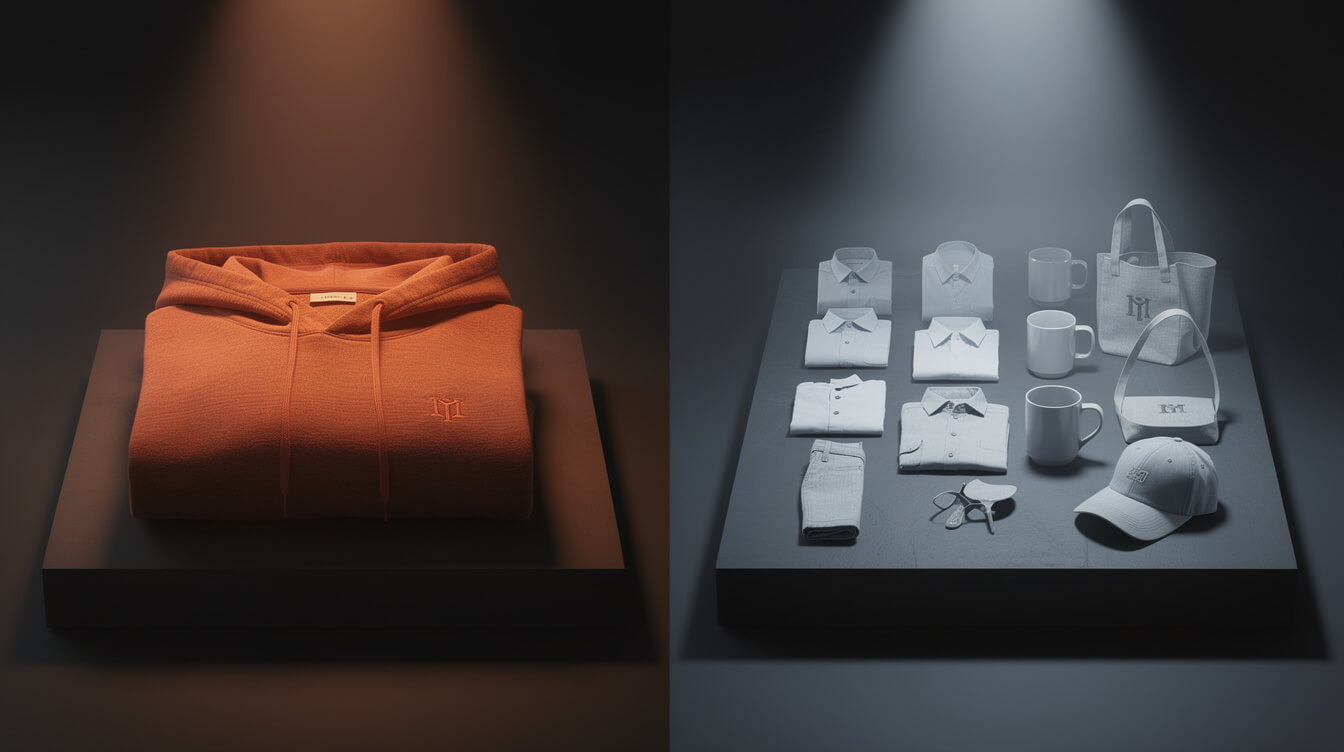
This is the comparison missing from nearly every article in the SERP for either platform’s name. Printful and Printify are not interchangeable. They have genuinely different catalog structures and different cost profiles, and the better choice depends on what you are building.
Where Printful has the edge
Printful’s embroidery quality is notably better than most Printify print providers for the same product category. If embroidered apparel is central to your store, Printful’s consistency and finished quality justify the premium. Printful also runs its own production facilities rather than routing through third-party print partners, which gives it more quality control over the end product.
Printful’s integration with WooCommerce is direct, stable, and well-documented. For operators running owned WooCommerce stores, the Printful WooCommerce plugin handles variant sync, inventory management, and automated order routing without friction.
Where Printify has the edge
Printify’s catalog is broader. Where Printful offers around 200-300 product options, Printify’s network of print providers covers 900+ SKUs. That depth matters for niche stores that need unusual product types or specific product-design combinations that Printful does not offer.
Printify’s base prices are generally 10-20% lower than Printful for equivalent products in certain categories, particularly basic t-shirts and mugs. That price difference adds up significantly at volume. On 500 units per month, even a $1.50 per-unit base price difference is $750 in additional monthly margin.
The tradeoff: Printify routes orders to whichever print provider fulfills that product, and quality can vary between providers. If you are on Printify, print provider selection matters more than it does on Printful.
The real question
Most serious POD stores do not choose one platform exclusively. They use Printful for embroidery-heavy and premium apparel, and Printify (or a similar network) for lower-margin high-volume products where cost efficiency matters more than print quality differentiation. That multi-platform approach is what MEGA is built to automate: listing the right product on the right platform without having to manage two separate tools manually. Try MEGA at mega.management.
Automate your Printful product research and listings end-to-end
MEGA is the research-to-product pipeline for POD sellers. Niche research, AI design generation, and WooCommerce listing in under seven minutes per product.
How to evaluate printful products for a WooCommerce store
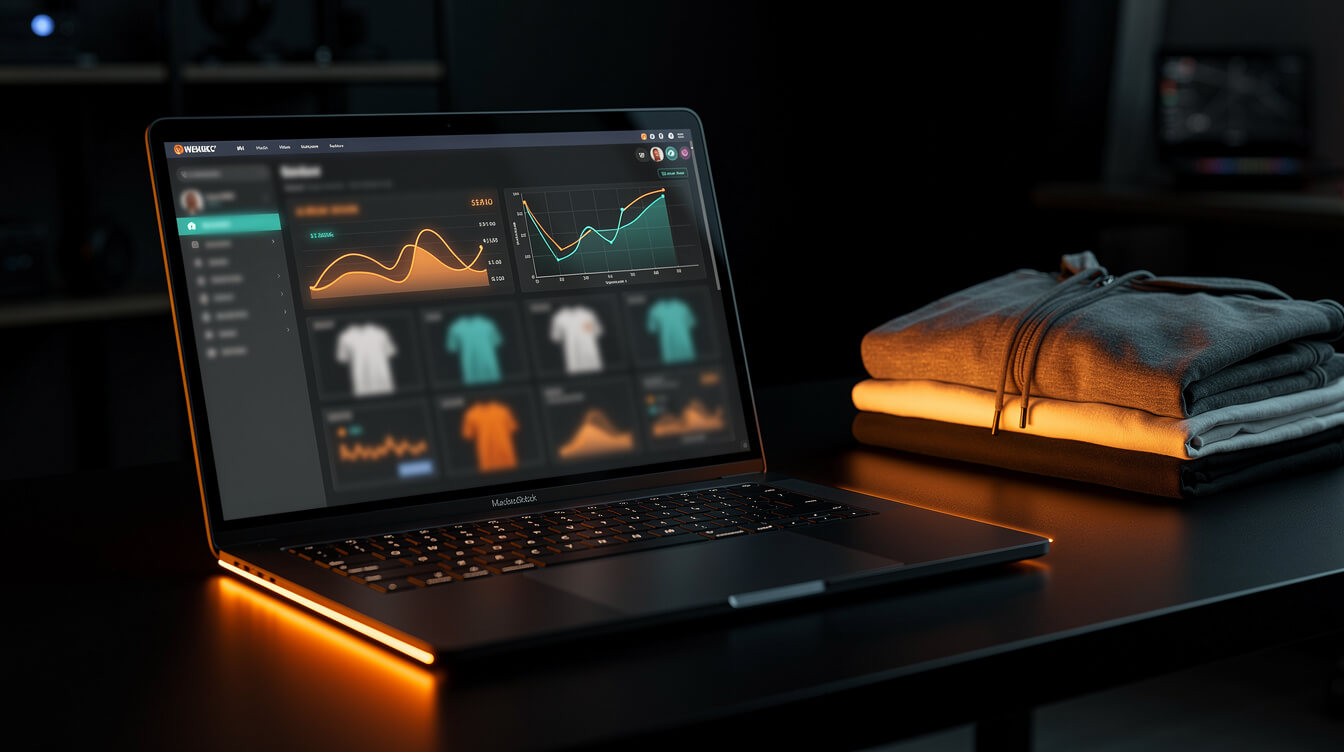
The evaluation framework below applies whether you are building a new store from scratch or adding products to an existing catalog. Six criteria, and every product should clear all six before it earns a slot in your WooCommerce store.
1. Base cost floor
The base cost sets your floor. A $15 base cost means you cannot competitively price below $30 without giving up the margin you need to cover marketing, returns, and overhead. Establish a minimum margin of $10 per unit as a hard rule before adding any product to your catalog. Products that cannot clear $10 at a competitive retail price are not worth the catalog complexity they add.
2. Print area and design fit
Printful specifies the maximum print area for every product. A hoodie with a small chest print area limits the visual impact of your designs. Before adding a product, confirm the print dimensions work for your actual designs. A print area that is too small for your standard design template means you are creating a one-off version of your design for that product, which adds workflow complexity with no revenue upside.
3. Production time
Printful’s standard production time is 2-5 business days for most products. Some specialty items (custom framing, certain embroidery runs) run longer. Know the production window before adding a product, and factor it into your promised delivery window on your WooCommerce store. Customers who do not get realistic shipping estimates become support tickets.
4. Variant complexity
T-shirts come in 10+ sizes and multiple colors. Each combination is a variant in WooCommerce. A 10-size, 8-color shirt is 80 variants for one design. That is manageable for your top 5 designs but unworkable for a catalog of 200 products. Products with fewer variants (tote bags in 1-3 colors, wall art with 3 sizes) are faster to launch and easier to manage at scale.
5. Return and reprint rate
Products that do not fit (apparel) have higher return rates than products with no fit component (mugs, art prints, bags). Your WooCommerce return rate directly affects net margin. Apparel is worth selling, but size guides and clear product descriptions reduce fit-based returns measurably. Products with no fit component should always be part of your catalog for exactly this reason.
6. Margin at competitive retail
Look at what comparable products retail for on competing stores in your niche. If the market price is $25 for a product with a $15 base cost, you have a $10 margin before any marketing spend. That might work. If marketing costs $4-6 per sale (reasonable for most acquisition channels), your actual net per unit is $4-6. You need significant volume to build a business on that. Know the math before committing to the product. For a deeper look at the economics of an owned WooCommerce store versus a platform-fee-burdened Shopify store, the breakdown in Printful review 2026 covers the cost stack in detail.
The printful products MEGA generates the most listings for
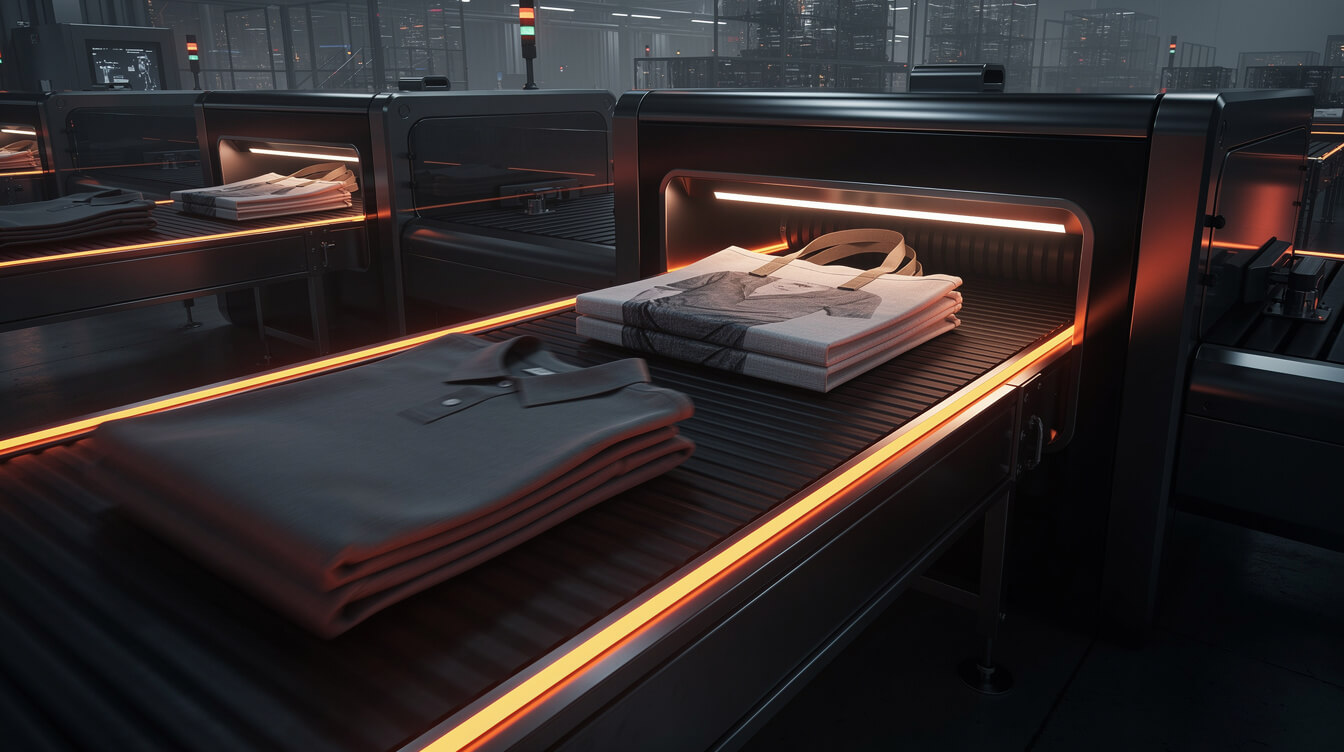
MEGA is a research-to-product pipeline that generates complete Printful and Printify listings end-to-end, from niche research through AI image generation to published WooCommerce product pages. The products it generates most frequently reflect where the margin math and demand data converge.
The highest-throughput category is apparel: t-shirts and hoodies make up the majority of listings MEGA generates, because they have the deepest demand data, the most keyword research support, and the widest niche applicability. A keyword research run that identifies a specific audience almost always finds an apparel angle faster than any other product type.
Wall art is the second-highest category. It has the best margin structure in the Printful catalog, zero sizing complexity, and strong gift purchase intent. AI-generated designs for wall art also tend to produce the most visually cohesive results because print area constraints are less limiting than on apparel. MEGA generates wall art listings for a wide range of niches, and the margin per listing is consistently higher than apparel on a percentage basis.
Tote bags are the third most generated product type. The economics are clean, variants are minimal, and they work across a wide range of niche themes. They are also strong add-ons when paired with a primary apparel catalog, which makes them efficient to generate alongside t-shirt listings for the same niche.
The products MEGA generates least frequently are also the ones with the most friction in the catalog: specialty items with complex variant structures, oversized home goods with high shipping costs, and products that require custom order details beyond standard print. Those products exist in the Printful catalog for a reason, but they add workflow complexity that slows down a research-to-publish pipeline without proportional margin improvement for most sellers.
If you want to understand how the pipeline works and where your current POD stack has the most throughput upside, the custom merchandise business overview covers the full workflow from research through fulfillment.
Choosing your printful products: where to start
If you are starting from scratch, the fastest path to a healthy catalog is narrow and intentional: one niche, one audience, three product types. A hoodie, a t-shirt, and a tote bag or wall art print. That is 3 products with strong margins, clear demand data, and manageable variant complexity.
From there, you add based on what the data tells you. Which products are selling? Which niches have design ideas your AI pipeline can turn into listings faster than your competition? The Printful catalog gives you 300+ options. The goal is not to use all of them. The goal is to build a profitable store with the 10-20 that fit your niche, your margin floor, and your production capacity.
The full platform economics, including how Printful’s base prices interact with WooCommerce flat-cost hosting versus Shopify’s 1% platform fee, are worth understanding before you build. The Printful review and the Printful custom hoodies post both go deeper on those numbers for specific product categories.
Implement AI. 30x your throughput. Get a 30-min call with the founder.
Drop your details and book a free 30-minute discovery call. Personalized advice on your POD stack, your margin, and where AI fits. No pitch, no fluff.