Custom patches no minimum: how POD sellers source, price, and sell patches without holding inventory
Searching for custom patches no minimum brings up a wall of vendor product pages. NinjaPatches. GS-JJ. Vivipins. Every listing promises a quote, a designer, a turnaround. What none of them address is the situation POD sellers actually face: you want to add patches to your storefront without buying inventory, and the no-minimum language that looks promising is aimed at buyers, not at store operators who need to fulfill one order at a time without pre-purchasing stock.
This guide is for POD sellers. It covers what Printful and Printify actually offer for custom patches, where the real no-minimum options sit in the market, what the unit cost math looks like at 1, 10, and 50 units, how platform fees eat into patch margins at a $15-25 average order value, and how to structure a patch product in WooCommerce without touching inventory.
What custom patches no minimum actually means for sellers versus buyers
The phrase “no minimum” means two different things depending on who is searching.
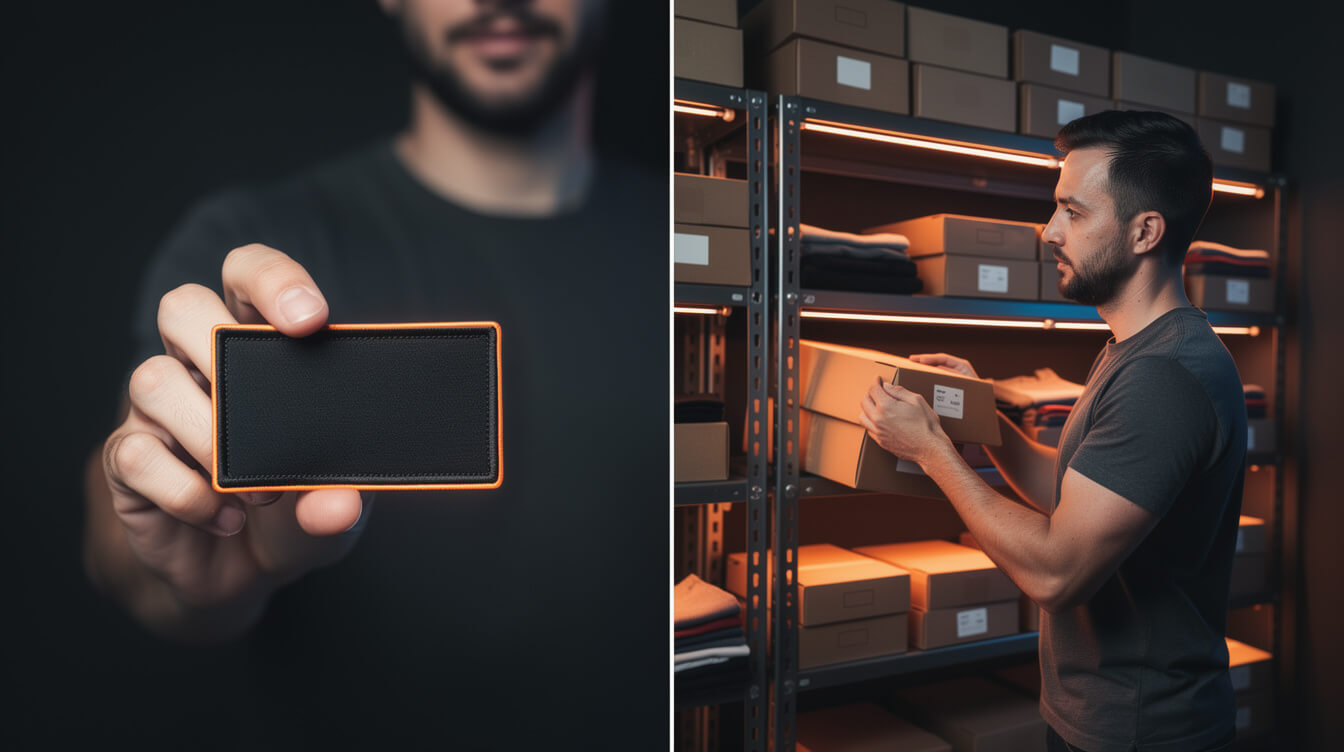
For a buyer, no minimum means they can order a single custom patch and get it made. That is the promise most patch vendor sites are selling. It is real, and the vendors behind it are legitimate businesses. But the economics work because they are charging retail prices: $8 to $15 for a single embroidered patch, often with a built-in setup fee.
For a seller, no minimum means something harder to solve. You want to list a custom patch product in your store, take a customer order for one unit, and have that unit produced and shipped without you pre-buying anything. That is not the same transaction. Patch vendors that offer no-minimum ordering are not set up as POD fulfillment partners. They do not connect to WooCommerce or Shopify. They do not auto-receive orders. Every order has to be manually placed and tracked.
There is a meaningful gap between “a vendor that will make me one patch” and “a fulfillment partner that handles patch orders on demand.” Understanding that gap shapes every decision in this guide.
The vendors that work as fulfillment partners for patches are few, and they come with limits. The vendors that offer true no-minimum quotes are many, but they require manual order management. Most POD sellers who add patches to their stores end up in a hybrid model: list the product at a price that accounts for manual fulfillment overhead, place orders manually through a no-minimum vendor, and ship to customers without holding inventory. It works, but it is not the automated pipeline you get with a t-shirt or hoodie through Printful.
Do Printful and Printify support custom patches?
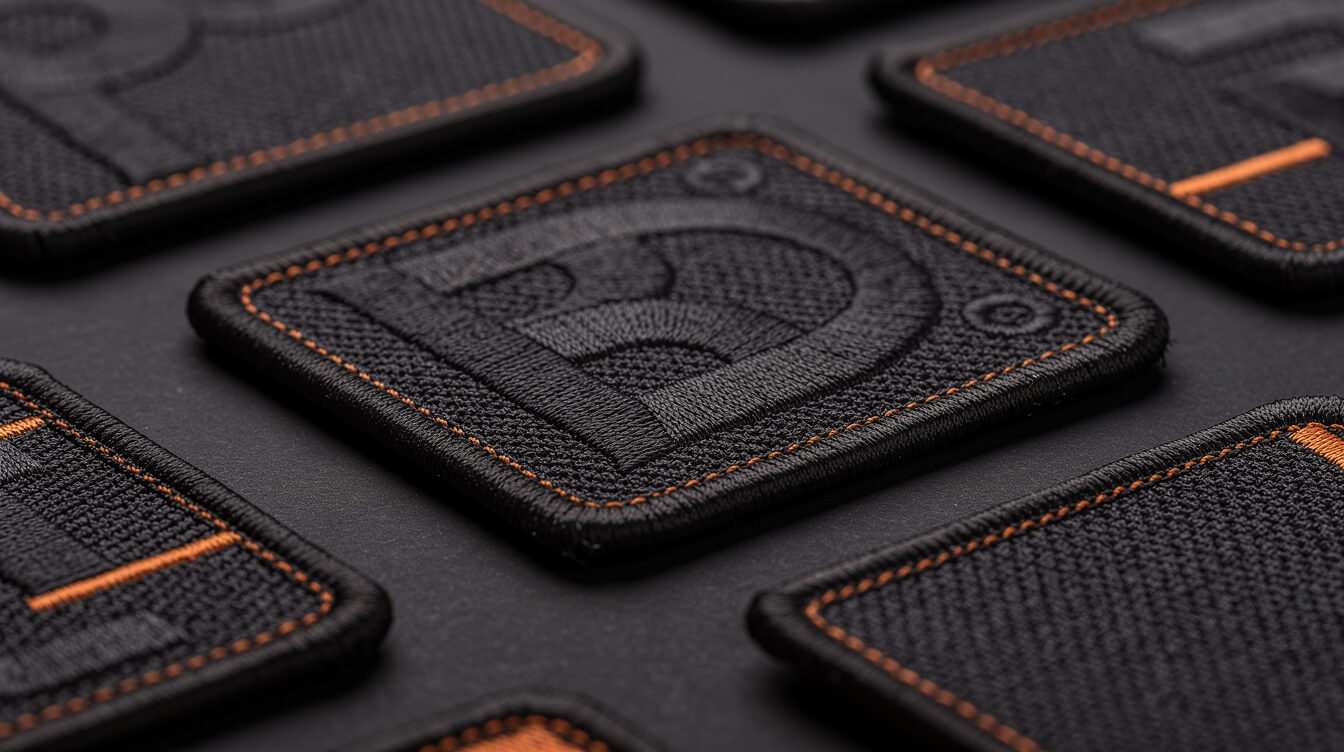
This is the first question every POD seller asks, and the answer is partial.
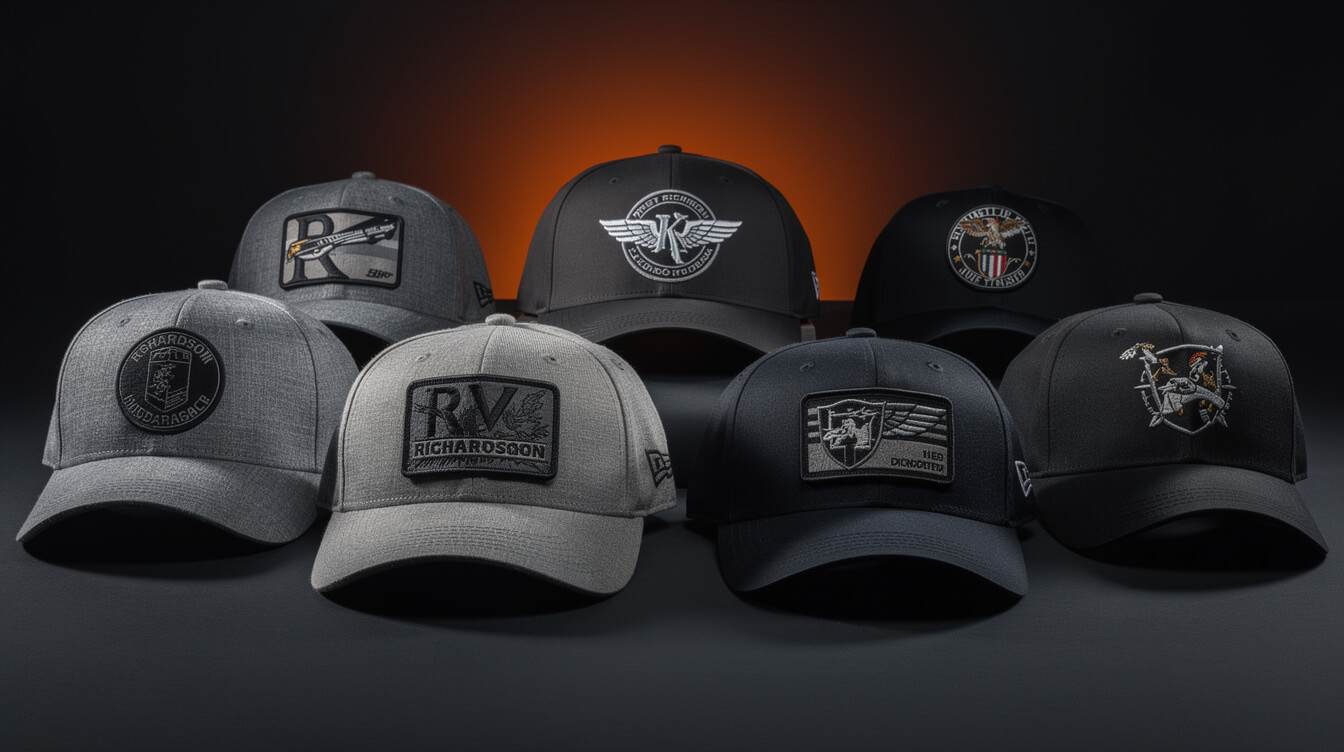
Printful does not offer standalone custom patches as a product category. They offer embroidered decoration on apparel: hats, jackets, tote bags, polos. If you want a patch on a Printful product, it arrives attached to that product. You cannot order patches by themselves and ship them to customers as standalone items.
Printful does carry iron-on patches as an accessory on select products, but the catalog is limited to specific SKUs and the patches are decorative add-ons to the base product, not a separate patch line.
Printify has a broader catalog than Printful in many product categories, but the situation for standalone patches is similar. No Printify print provider in their network offers custom embroidered patches as an independent POD item with automatic order routing. Woven patches, PVC patches, and rubber patches are entirely absent from the Printify catalog as of mid-2026.
What this means practically: if you want to sell patches through a fully automated WooCommerce-to-fulfillment pipeline where orders route automatically without manual intervention, you cannot do it with the two dominant POD platforms. You need a different approach.
The exception is DTF (direct-to-film) patch transfers, which some Printify providers do support. DTF patches are not embroidered, so they have a different look and feel, but they can be ordered and fulfilled automatically at quantities as low as one. If your audience cares about the cost-effective option over the embroidered look, DTF is worth pricing out. Expect $4 to $7 per unit at single-unit quantities from Printify DTF providers.
For the rest of this guide, we will focus on the more common use case: embroidered patches, sourced from third-party no-minimum vendors, fulfilled manually through a structured WooCommerce workflow.
Third-party no-minimum patch sourcing for POD stores
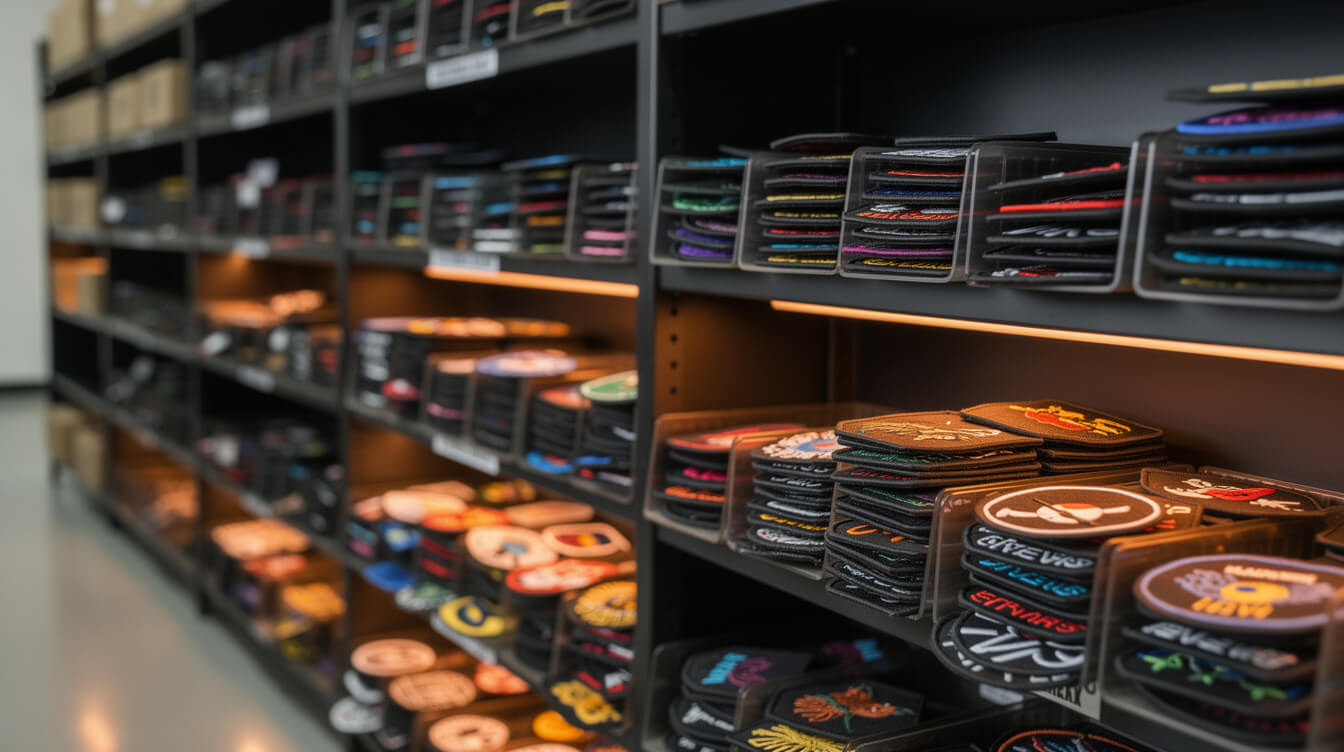
If you are going the manual fulfillment route, the good news is that several reliable vendors offer no-minimum or very low minimum embroidered patch orders. Here are the ones POD sellers commonly use.
Dutch Label Shop is a Netherlands-based vendor with a US-facing storefront. They offer woven and embroidered patches with no stated minimum quantity. Single-unit pricing runs $8 to $12 for a 2-inch embroidered patch depending on stitch count. They accept custom artwork uploads and have a web configurator. Turnaround is typically 10 to 15 business days. Shipping to the US adds $6 to $12. The quality is consistent and the site is designed for small-volume orders.
Ninja Patches (ninjapatches.com) offers embroidered patches with a stated minimum of one. Their pricing starts around $7 per patch at single-unit quantities and drops significantly at 10 and 50 units. They are US-based, which keeps shipping times short for US customers. They offer iron-on, sew-on, velcro backing, and PVC options. Turnaround is 10 to 12 business days.
GS-JJ is a large-volume patch manufacturer that also accommodates small orders. They position primarily toward bulk buyers but their website accepts orders as low as one unit. Single-unit pricing is $9 to $14 for standard embroidered patches. Lead time is 7 to 10 business days. They have a reputation for competitive bulk pricing, which makes them useful if you start moving volume.
None of these vendors integrate with WooCommerce or Shopify. You will receive a customer order in your store, log into the vendor portal, manually place the order with the customer’s shipping address, and pay the vendor’s price plus shipping. The margin math needs to account for your time spent doing that.
For internal reference on how the embroidered patch landscape differs from iron-on or velcro variants, see our guide to custom patches velcro which covers backing type decisions and which options make sense for different buyer niches.
Unit cost math: embroidered patches at 1, 10, and 50 units

Smash print-on-demand. Join the engine room.
One short email a week. Real numbers, real teardowns, the unfiltered economics behind every move.
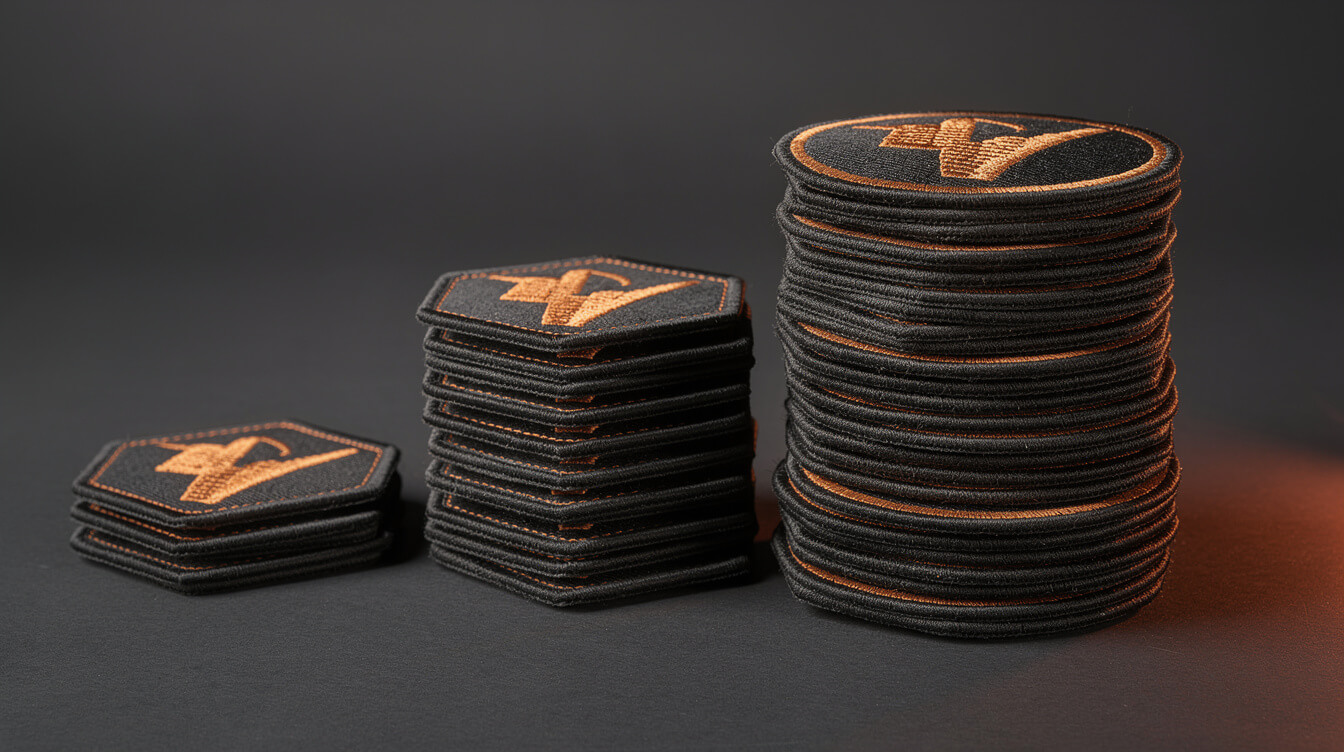
Let us run the actual numbers. These are based on Ninja Patches pricing as of mid-2026, which is representative of the no-minimum vendor tier.
A standard 2-inch circular embroidered patch with iron-on backing:
- 1 unit: $9.50 product + $5.00 shipping = $14.50 landed
- 10 units: $4.80 per unit + $7.00 shipping = $55.00 total, $5.50 landed per unit
- 50 units: $3.20 per unit + $12.00 shipping = $172.00 total, $3.44 landed per unit
The spread between 1-unit and 50-unit landed costs is 4x. That is a significant margin compression at single-unit fulfillment.
At a $19.99 retail price for a custom patch:
- 1 unit, manual fulfillment: $19.99 revenue – $14.50 unit cost – $2.00 payment processing = $3.49 gross margin (17.5%)
- 10 units batch, manual fulfillment: $19.99 revenue – $5.50 unit cost – $2.00 payment processing = $12.49 gross margin (62.5%)
- 50 units batch, manual fulfillment: $19.99 revenue – $3.44 unit cost – $2.00 payment processing = $14.55 gross margin (72.8%)
Single-unit fulfillment at $19.99 retail leaves very little margin. There are two ways to address this: raise the retail price or batch orders.
Raising retail price: At $29.99, single-unit gross margin becomes $13.49 (45%), which is much more workable. The question is whether your niche supports a $29.99 patch. High-value niches, military and tactical, pet owners, sports teams, and professional affiliations, can support premium patch pricing. Generic designs competing with Etsy sellers cannot.
Batching orders: Some POD sellers accumulate orders for a week or two and place a batch order at the 10-unit price tier. This requires carrying fulfillment delays of 5 to 14 days beyond your vendor’s lead time. It works if you communicate the timeline clearly at checkout. It is not truly on-demand, but it substantially improves the unit economics.
For a broader look at patch sourcing economics across product types, see our guide to custom patches for POD stores which covers the full Printful and Printify offering and when specialist vendors outperform platform providers on specific SKUs.
Platform fee impact: selling patches on WooCommerce vs Shopify at $15-25 AOV
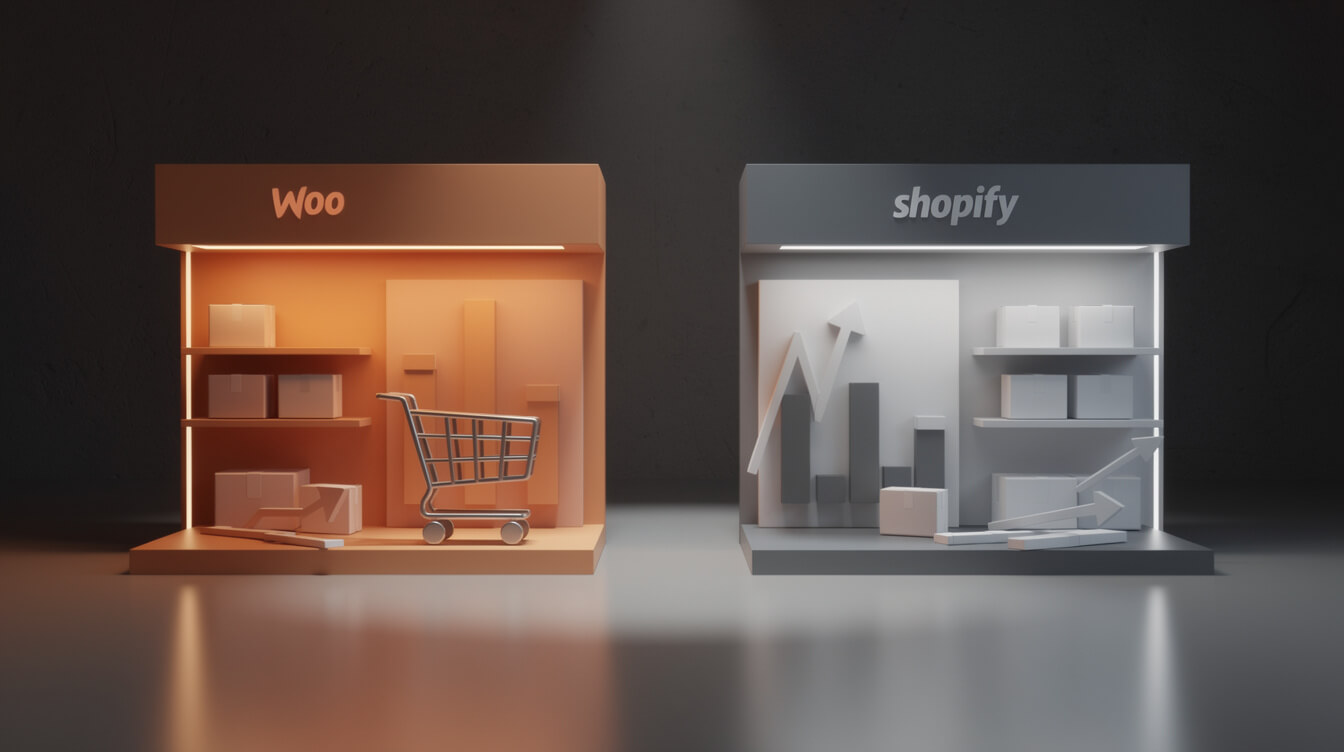
Patches are a low-AOV product. At $19.99 to $24.99 per patch, you are operating at the low end of merchandise pricing. That makes platform fees disproportionately painful.
Shopify charges a transaction fee on top of payment processing unless you use Shopify Payments. The base transaction fee is 2% on the Basic plan, 1% on Shopify plan, and 0.5% on Advanced. If you sell a $20 patch on Shopify Basic with a third-party payment processor, you pay 2% of $20, which is $0.40, in addition to payment processing. At 100 patch orders per month, that is $40 in Shopify transaction fees alone, before your subscription cost.
On the Shopify plan at 1%, it is $20 per month on that same volume. These numbers compound as volume grows. A store doing 500 patch orders per month at $20 average pays $200/month in Shopify transaction fees at the 2% tier.
WooCommerce charges no transaction fees. You pay for hosting, the WooCommerce plugin (free core), and payment processing (typically Stripe at 2.9% + $0.30 or a local equivalent). There is no Shopify-style override on top of that.
At $20 AOV with 500 orders per month, the fee difference between WooCommerce and Shopify Basic is $200/month, or $2,400 per year. At scale, that is the cost of a part-time VA, or three months of hosting.
For a product category where margins are already thin at single-unit fulfillment, keeping the platform fee to zero makes WooCommerce the default choice for patch-heavy stores. The setup investment in WooCommerce is real, but for a catalog where low-AOV items like patches anchor the product line, the fee arithmetic is decisive.
How to list and fulfill custom patches in a WooCommerce store without holding stock
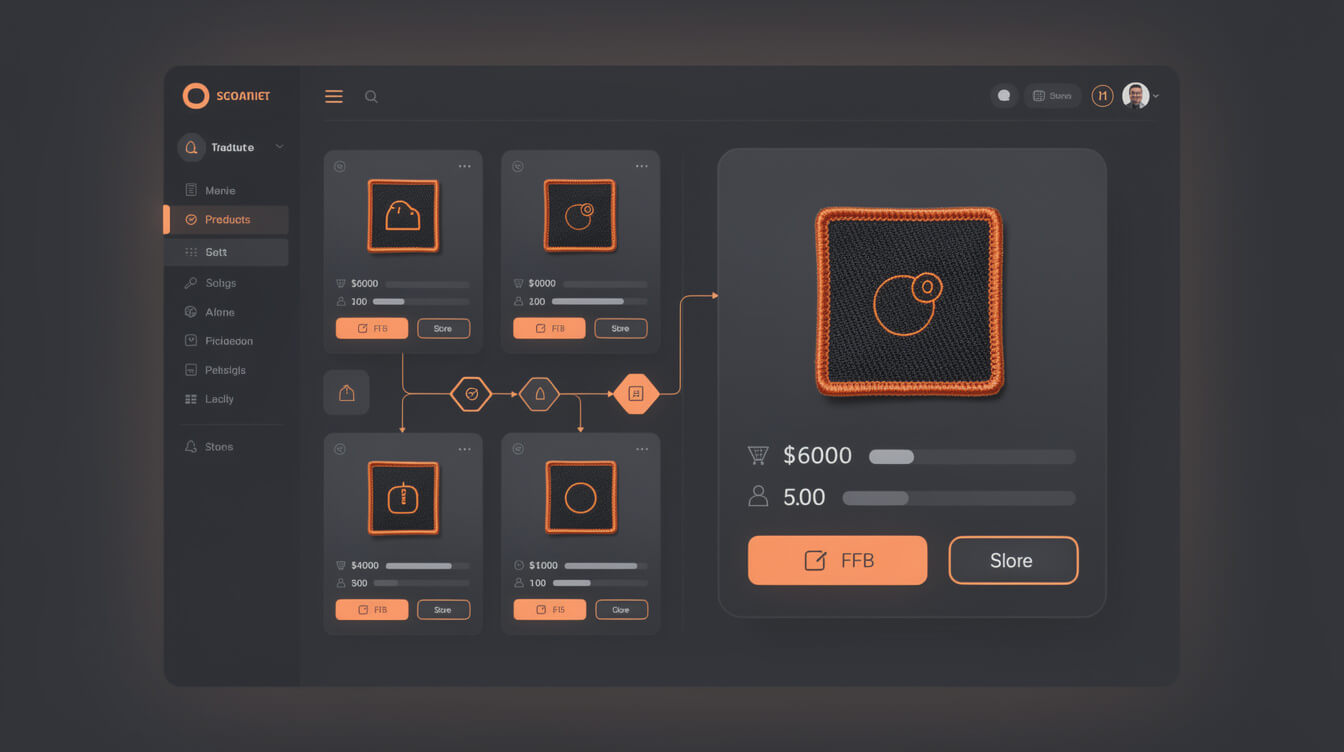
Here is the practical setup for a no-inventory patch product in WooCommerce.
Product setup: Create a variable product with the patch design options as variations. If you are offering a single design in multiple sizes (2-inch, 3-inch, 4-inch), set size as the variable attribute. If you are offering multiple designs, make design the variable attribute. Set stock management to “do not manage stock” to avoid inventory counts. Set the product status to “in stock” to prevent the “out of stock” label from appearing.
Checkout customization: Add a custom order note at checkout that communicates fulfillment timing. A field-level note in WooCommerce (“Your patch is made to order. Allow 12-15 business days for production and shipping.”) sets expectations before payment. This prevents the majority of “where is my order” inquiries.
Order processing workflow: When an order comes in with a patch product, your fulfillment task is to log into your vendor (Ninja Patches, Dutch Label Shop, or GS-JJ), place the order manually with the customer’s shipping address, and input the vendor’s tracking number into WooCommerce when it arrives. This process takes 5 to 10 minutes per order.
Batch processing option: If you want to batch orders for better unit economics, set your product listing to “accept orders but backorder” and communicate a processing window (for example, orders placed Monday through Sunday ship the following Monday). This allows you to accumulate a week’s orders and place them as a batch at the 10-unit price point, provided you hit that volume.
MEGA automates the product listing side of this equation: research, design generation, title writing, and SEO-optimized product creation for WooCommerce can be handled end-to-end through the pipeline at mega.management. The manual fulfillment piece for patches remains outside what any POD automation platform can fully solve today, but the listing and research overhead is eliminable.
For a related approach to fulfilling accessories without inventory, see our guide to custom canvas tote bag printing, which covers a similar no-inventory model for a different product category with better automated fulfillment options.
When patches make sense as a POD product line
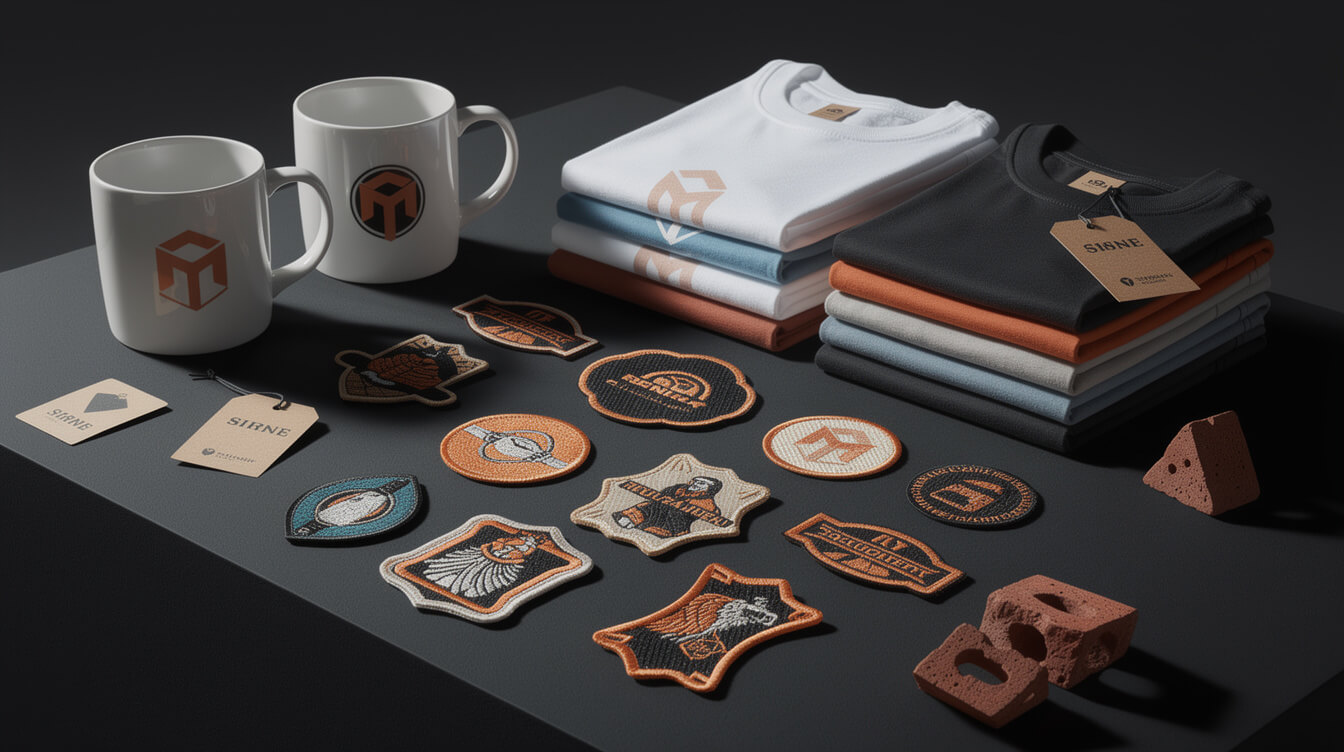
Not every POD store should add patches. Here is the framework for deciding whether patches fit your catalog.
Patches work well when:
- Your niche has strong identity markers. Military and tactical communities, sports teams, clubs, gaming groups, professional affiliations, and hobbyist identities all attach meaning to physical emblems. A patch is a tangible statement of membership. It works in niches where belonging matters.
- Your customers already buy accessories. If you sell hats, jackets, or bags, patches are a natural add-on. Your customer base is already thinking about customization.
- You can support $25 to $35 retail pricing. At this price point, single-unit fulfillment margins become viable. At $19.99, you are working very thin.
- You have a design library. Patches are a catalog product. The more design options you offer, the more search traffic you can capture. A single design listing has limited SEO surface area. Twelve design variations across three sizes create much more opportunity.
Patches are a poor fit when:
- Your niche is generic. Patches competing at the commodity end (generic animals, nature scenes, no specific community identity) will land in a price competition with Etsy sellers and AliExpress, where margins collapse.
- You are not willing to manage manual fulfillment. The absence of automated POD fulfillment for embroidered patches is a real overhead cost. If your store is running at volume and your team cannot absorb 5 to 10 minutes per patch order, the product category will cause operational strain.
- Your AOV strategy depends on low price points. At $15 retail, patch unit economics do not work.
The stores that do well with patches typically treat them as a premium add-on, not the core product. A hat store that adds two or three patch designs as accessories for the hat buyer is not relying on patch margin to survive. They are deepening the cart value for a customer who was going to buy anyway.
For more on how embroidery-adjacent products fit into a POD catalog, see our guide to custom embroidered patches near me, which covers the local fulfillment angle and when a nearby shop beats a no-minimum online vendor on speed.
The honest summary on custom patches no minimum
Custom patches no minimum exists as a market. It is not a myth. What it is not is an automated POD pipeline. The gap between “a vendor that will make you one patch” and “a fulfillment partner that routes patch orders automatically” is real and unlikely to close soon.
For POD sellers who want to add patches to their WooCommerce store, the path is clear: use a no-minimum vendor like Ninja Patches or Dutch Label Shop, price at $25 or above to make single-unit margins workable, communicate production timelines at checkout, and treat patch fulfillment as a manual process. At low volumes, that manual overhead is manageable. At higher volumes, batching orders weekly improves the economics substantially.
The platform you use to run the store matters. At a $20 AOV product with thin margins, Shopify’s transaction fee structure is a measurable headwind. WooCommerce removes that headwind entirely. Over 500 orders at the Shopify Basic tier, the difference is $200 per month. That is the math that makes the platform choice worth examining before you build the catalog.
If the research-to-listing pipeline is the bottleneck, MEGA handles that end. The product design, SEO titles, and WooCommerce listing structure for a patch catalog can be generated in minutes through the pipeline at mega.management.
Implement AI. 30x your throughput. Get a 30-min call with the founder.
Drop your details and book a free 30-minute discovery call. Personalized advice on your POD stack, your margin, and where AI fits. No pitch, no fluff.