Custom canvas tote bag printing for POD stores: margin math, providers, and what no-minimum actually costs
Custom canvas tote bag printing is one of the search terms that sends buyers to vendor order forms and sends sellers nowhere. The top results are bulk suppliers: Lands End Business, EcoBags, Enviro-Tote, each targeting someone who needs 100 bags for a company event. There is almost nothing for POD store owners who want to add custom canvas tote bags to an existing product line without buying inventory. That gap is real, and it is wide open.
This post covers what custom canvas tote bag printing actually costs to fulfill through Printful, Printify, or Gooten, how tote bag margins compare to t-shirts, which print method holds up on canvas over time, and where the platform fee math breaks down for lower-AOV accessories. If you are adding tote bags to your WooCommerce store, the unit economics work differently from apparel. Here is what you need to know before you build the listing.
Custom canvas tote bag printing: what buyers search vs what sellers need to know
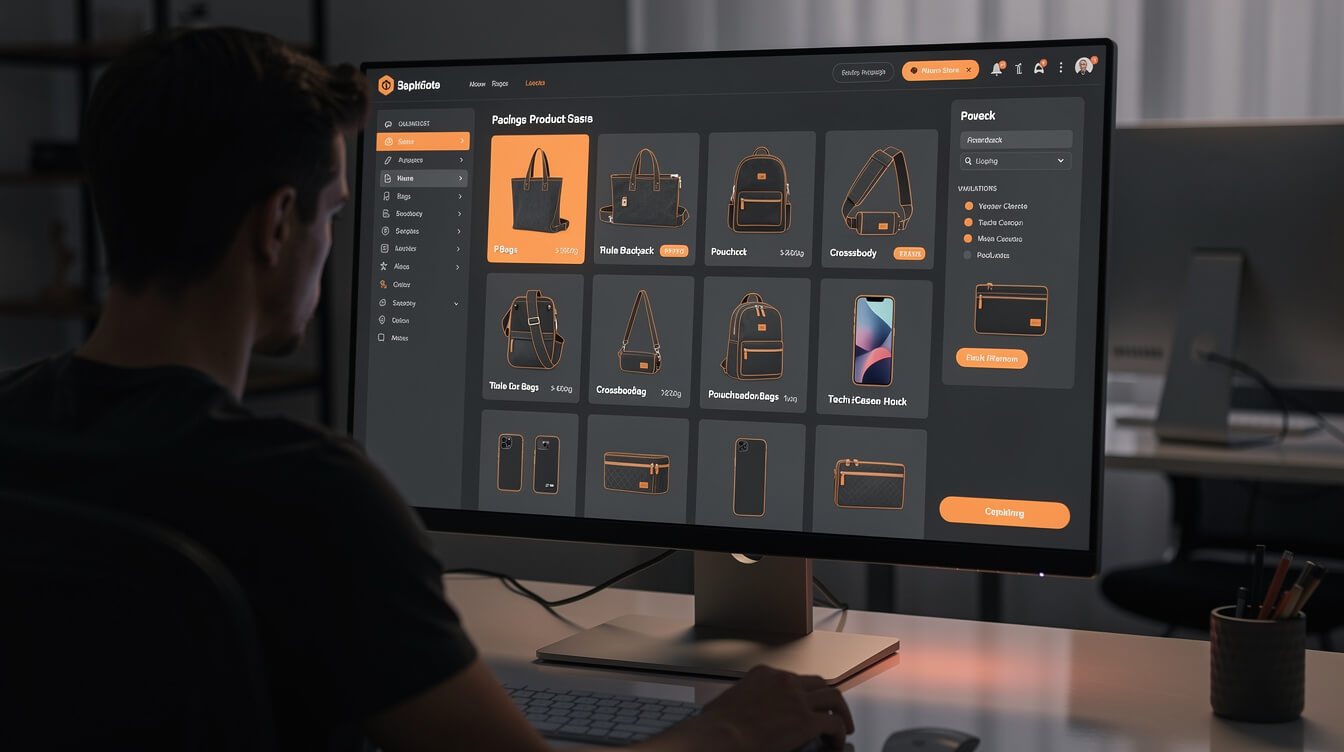
The people searching “custom canvas tote bag printing” are generally looking for one of two things: they want to order 150 bags for a corporate event, or they want to sell custom tote bags through a POD store without touching inventory. The SERP is almost entirely built for the first group.
Bulk supplier pages dominate the results. Lands End Business quotes tiered pricing starting at 12 units. EcoBags offers a minimum order of 50. Enviro-Tote requires 100 bags minimum with a 4-6 week production lead time. If you are a POD store owner, none of these options fit your model.
The POD model works differently. You list the product. A customer orders one. Your fulfillment partner produces it and ships it directly to the customer. You never pre-purchase inventory, and you never hold stock. The no-minimum promise is built into the business model, not layered on top of it.
That operational difference is significant. Bulk suppliers build their pricing around economies of scale at 50 or more units. POD fulfillment builds pricing around producing one unit at a time, profitably, at a cost that still leaves room for your margin. The per-unit cost is higher, but the inventory risk is zero.
Canvas tote bags work well in POD stores for several reasons. The accessory category is underserved compared to t-shirts, which means less competition in search results and on platforms like Etsy. Tote bags have strong use cases beyond fashion: farmers markets, grocery shopping, event merchandise, bookstores, and community organizations. And the search intent shows buyers with real purchase motivation, not just research behavior.
The challenge is that POD platforms handle tote bags differently from t-shirts. Canvas is a stiff, woven fabric. DTG printing requires pre-treatment to bond ink to the surface. Screen printing produces sharper results on canvas but typically requires minimum runs unless your supplier has invested in single-unit screen setups. The product lineup across Printful, Printify, and Gooten is also narrower than t-shirts, so you need to verify coverage before committing to a strategy.
If you already sell branded merch through a no-minimum POD setup, adding canvas tote bags to that mix is a natural extension. The question is whether the unit economics justify it. That answer starts with understanding what the fulfillment chain actually costs.
Which POD suppliers print on canvas tote bags (Printful, Printify, Gooten comparison)
Not every POD supplier offers canvas tote bags, and the ones that do have meaningfully different product options, print area sizes, and base pricing. Here is what the three major platforms currently offer.
Printful
Printful’s product catalog includes canvas tote bags in their accessories lineup. The standard canvas tote uses DTG printing with pre-treatment applied before the ink pass. Printful’s base cost for a standard canvas tote bag runs roughly $9.95 to $12.95 depending on product variant and print coverage. Canvas totes are not Printful’s highest-SKU category, but quality is consistent and fulfillment is global with no minimum order.
Print area on Printful canvas totes is typically 11 by 13.5 inches, which is large enough for a full design. Print quality on canvas with DTG is solid but not identical to printing on jersey knit. Ink adhesion can be slightly less vibrant than on a comparable t-shirt, particularly with light ink on natural canvas. Request a sample before committing to a product launch.
Printify
Printify’s marketplace approach means tote bag availability varies by print provider. Printify’s catalog includes canvas tote bags through several partners, with base costs starting around $6.99 to $9.99 depending on the provider you select. Print quality varies, which is the trade-off for lower base cost. Selecting a US-based provider reduces shipping time and return complexity.
Some Printify marketplace providers use direct-to-film (DTF) transfers rather than DTG for canvas bags. DTF can produce sharper prints on woven fabric than standard DTG. If print sharpness matters for your design style, filter Printify providers by production method before making a selection.
Gooten
Gooten’s catalog includes canvas tote bags in their accessories category. Gooten has fewer product variants than Printful overall, but is a strong option for WooCommerce stores given their API-first integration. Base cost for Gooten tote bags runs in the $8 to $11 range. Gooten’s advantage is production quality tied to curated manufacturing partners rather than an open marketplace, which means less variance across orders.
Quick comparison summary
- Printful: higher base cost, consistent quality, global fulfillment network, no minimum
- Printify: lower base cost, quality varies by provider, wide catalog, no minimum
- Gooten: mid-range cost, curated quality, strong WooCommerce API integration, no minimum
For sellers building their first tote bag product line, Printful is the lower-risk starting point despite the higher base cost. Consistent quality matters more than a $2-3 per-unit cost advantage until you know which designs actually sell. Once you have proven demand, you can evaluate whether Printify’s lower base cost justifies provider testing.
Tote bag unit cost math: what one custom canvas tote actually costs to fulfill
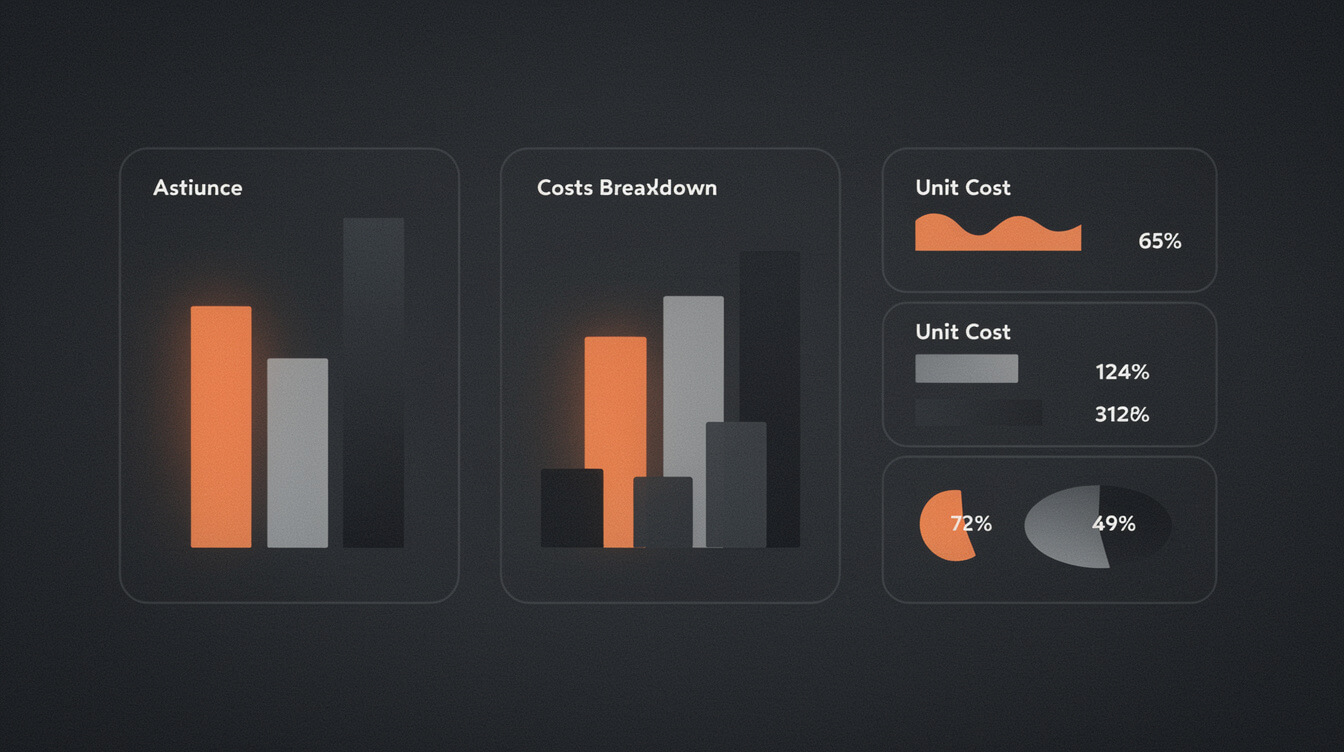
The base product cost from your fulfillment partner is not your total cost per unit. Here is the real math using Printful as the baseline.
Printful unit cost at $35.99 retail
- Base product cost: $10.95
- Standard shipping (US domestic): $4.49
- Packaging: included in Printful fulfillment
- Stripe payment processing (2.9% + $0.30): $1.34
- Shopify Basic transaction fee (1%): $0.36
- Total cost on Shopify Basic: $17.14
- Net margin: $18.85 per unit (52.4%)
On WooCommerce with no per-transaction platform override:
- Base product cost: $10.95
- Shipping: $4.49
- Stripe payment processing: $1.34
- WooCommerce platform fee: $0
- Total cost on WooCommerce: $16.78
- Net margin: $19.21 per unit (53.4%)
The $0.36 difference per unit on Shopify Basic seems small. At 100 tote bag orders per month, that is $36. At 300 orders per month, it is $108. The math becomes significant when you have a product line, not a single product.
The inventory risk calculation
What bulk supplier pricing does not show is the true cost of unsold inventory. A bulk order of 100 tote bags at $5.50 per unit costs $550 upfront. If 30 do not sell this season, you have absorbed $165 in dead stock. Those bags may sell eventually, but capital is locked in the meantime.
POD eliminates that entirely. You produce only what customers order. The higher per-unit cost is the price of that insurance, and for most POD stores at early or mid-scale, it is worth paying. The risk-adjusted cost of POD per unit is often lower than bulk once unsold inventory and carrying costs are factored in correctly.
The break-even point where bulk ordering becomes cheaper than POD for tote bags is roughly 80-120 units per design per month, assuming consistent sell-through at that volume. Below that threshold, POD wins on economics, not just flexibility.
Margin comparison: tote bags vs t-shirts in a POD store (where the money actually is)

Smash print-on-demand. Join the engine room.
One short email a week. Real numbers, real teardowns, the unfiltered economics behind every move.
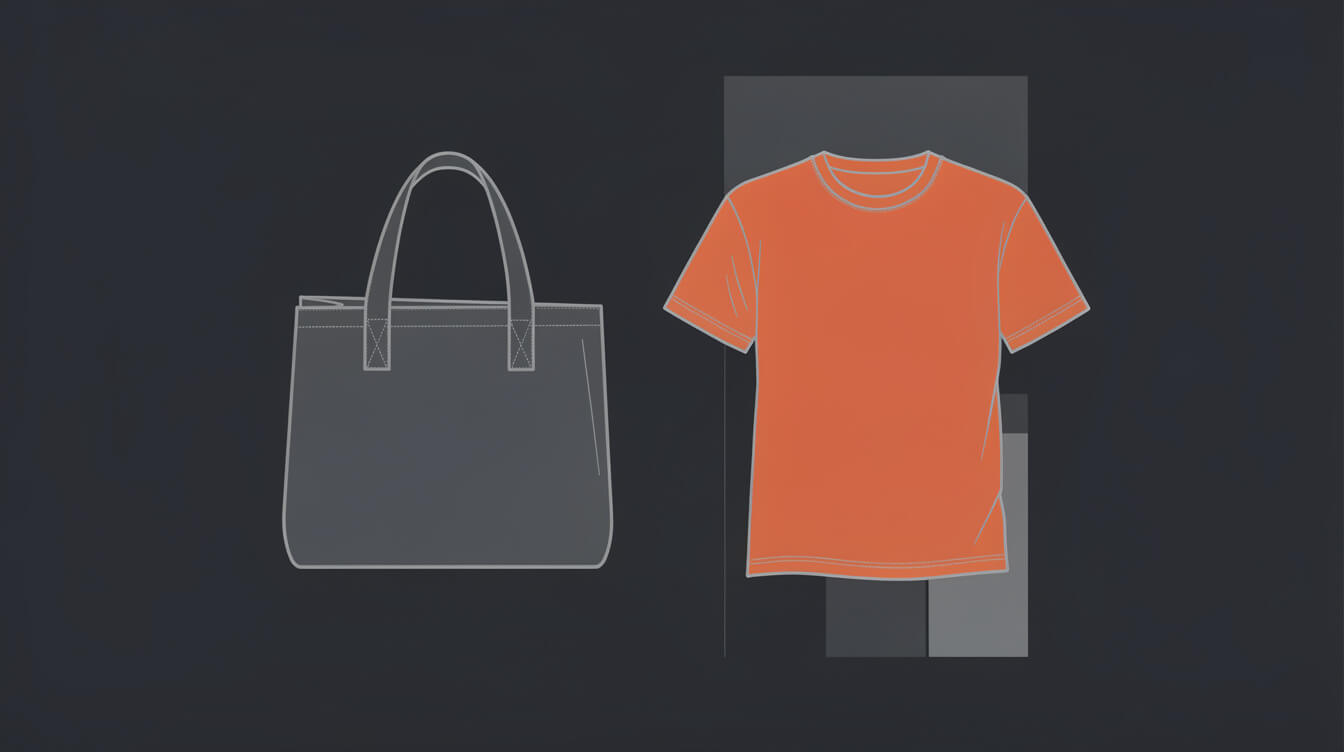
T-shirts dominate POD stores because they are the default product. The print-on-demand industry was built on t-shirt economics. Canvas tote bags offer a different margin profile worth understanding before treating them as a secondary product.
T-shirt baseline (Printful Bella+Canvas 3001)
- Base cost: $13.25
- Shipping: $3.99
- Typical retail price: $29.99
- Net margin (WooCommerce, after Stripe fees): $11.54 (38.5%)
Canvas tote bag baseline (Printful standard tote)
- Base cost: $10.95
- Shipping: $4.49
- Typical retail price: $34.99
- Net margin (WooCommerce, after Stripe fees): $18.52 (52.9%)
The tote bag margin is higher in percentage terms, and the higher sell price supports it. Consumers expect to pay more for a custom reusable bag than a basic t-shirt. The $33-38 price point for a custom canvas tote is within market norms. A $30 t-shirt requires brand positioning to justify; a $35 custom tote bag feels standard for the category.
Tote bags also carry a practical advantage that affects return rates: sizing does not apply. A buyer cannot order the wrong size. That eliminates the most common return trigger in apparel POD. Fewer returns means fewer chargebacks, less time spent on customer service, and cleaner margin.
For stores building product catalogs across multiple categories, MEGA automates the full creation pipeline from niche research to live listing. Adding a canvas tote bag SKU goes through the same AI-assisted design and listing workflow as adding a t-shirt variant, which means the incremental cost of catalog expansion is minimal.
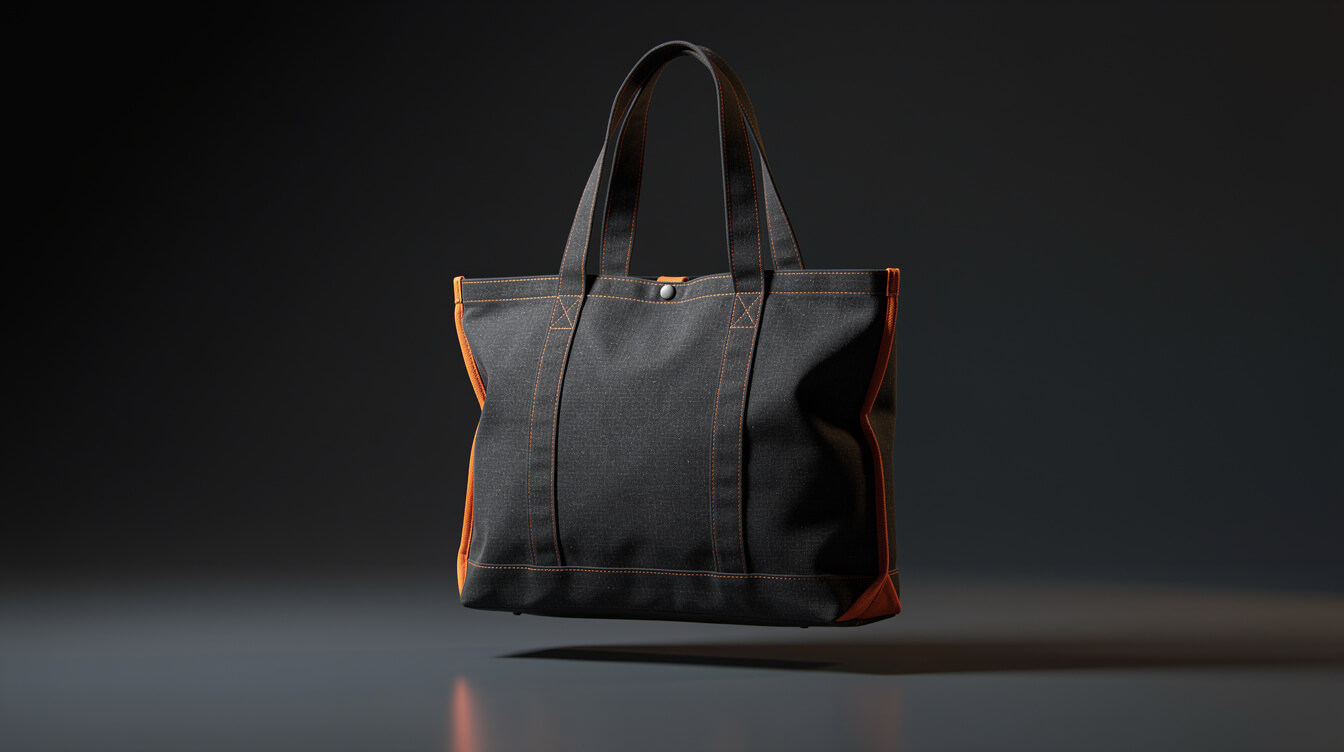
Automate your entire POD product pipeline
MEGA handles research, AI image generation, product naming, SEO descriptions, and direct upload to Printful and WooCommerce. One niche, one pipeline, live in under 7 minutes.
Print methods on canvas: DTG vs screen print vs digital print and what holds up over time
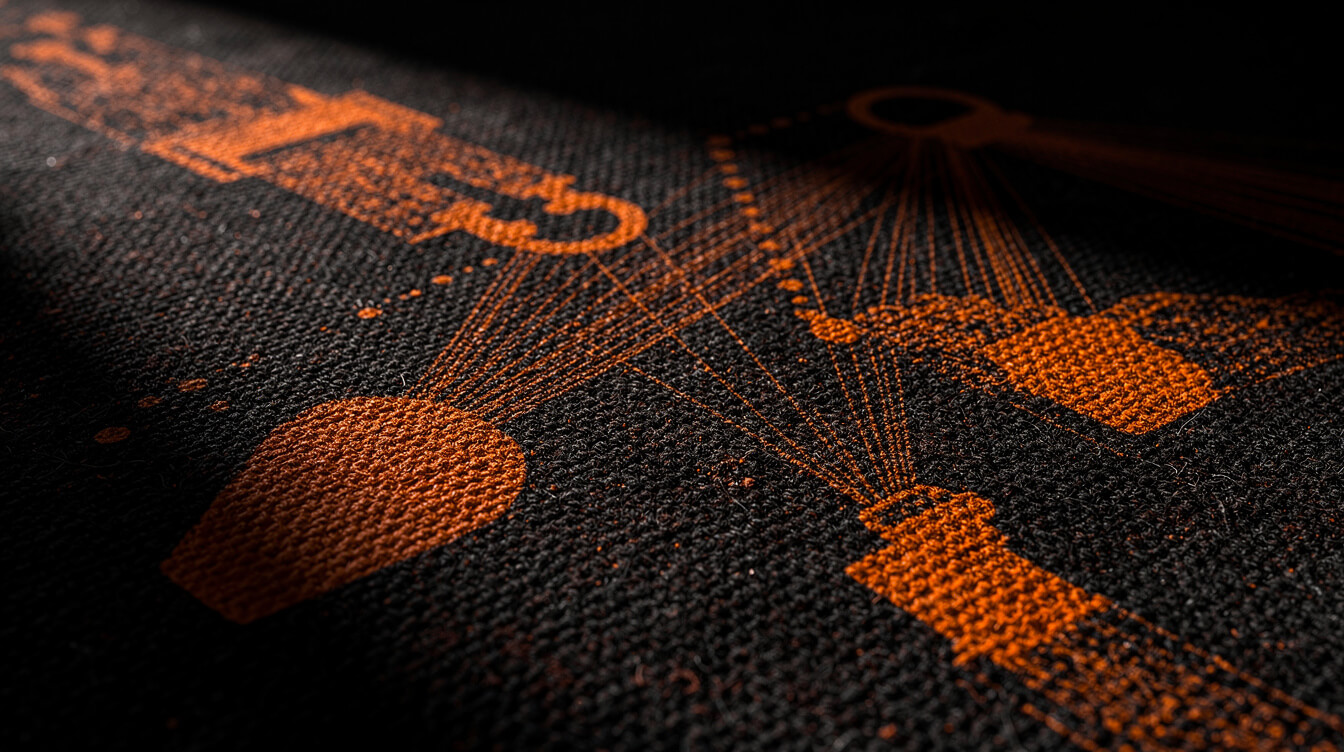
Canvas is not the same substrate as cotton jersey. The way ink bonds to a tightly woven canvas bag is different from how it bonds to the loose knit of a standard t-shirt blank. That difference affects which print method you should request from your fulfillment supplier, and what durability you can expect over repeated washing.
DTG on canvas
Direct-to-garment printing on canvas requires chemical pre-treatment to open the fibers enough to accept water-based ink. Most POD suppliers that offer DTG on canvas have this step built into their fulfillment process, but not all of them apply it consistently across every order. The result, when done well, is a soft print with good color fidelity and reasonable durability. When done poorly, the ink sits on the surface rather than bonding to the fibers, and it fades within 10-15 washes.
Heat-set curing after printing is the step that determines long-term adhesion. Suppliers who underinvest in curing produce prints that look excellent on arrival and deteriorate quickly. Ask your supplier specifically whether their canvas bag DTG process includes pre-treatment and curing.
Screen printing on canvas
Screen printing deposits a thicker layer of plastisol or water-based ink, which adheres better to the textured canvas surface than standard DTG. The result is typically sharper and more wash-durable than DTG on the same substrate. Comparing DTG and screen printing in general terms, screen printing wins on durability for woven fabrics.
The challenge for POD use is minimum runs. Traditional screen printing requires a separate screen for each color, which means setup costs that do not make sense for one-off orders. Some suppliers have invested in automated screen setups that allow small runs, but this is not universal in the POD space. Verify with your specific supplier.
Direct-to-film (DTF) transfers
DTF is increasingly common in POD fulfillment. A design is printed onto a film, which is then heat-transferred to the canvas surface. DTF produces sharp prints with good color fidelity and holds up well on canvas over repeated washing. Some Printify marketplace providers use DTF for their bag products specifically because it outperforms standard DTG on woven substrates.
The trade-off: very large prints may show a slight visible edge at the transfer boundary. For logo-forward or text-forward designs on tote bags, DTF is often the best single-unit option. For full-bleed photographic designs, DTG with proper pre-treatment is usually preferable.
The practical bottom line: if you are unsure which method your POD supplier uses, order a sample of your most complex design before committing to a full product launch. Print quality on canvas is not interchangeable across methods, and the difference matters for customer satisfaction and return rates.
Shopify vs WooCommerce for selling custom tote bags (fee math on lower-AOV accessories)

The platform fee conversation matters more for accessories than for high-AOV apparel. On a $70 custom hoodie, Shopify’s 1% transaction override costs $0.70. On a $30 canvas tote bag, it costs $0.30. That difference sounds trivial until you run the volume math.
The Shopify fee structure for POD stores
Shopify Basic charges a 1% additional transaction fee on all orders not processed through Shopify Payments. The Shopify fee stack for POD sellers includes the platform subscription ($39/month on Basic), this 1% override, plus any app fees for your Printful or Printify integration, email marketing, reviews, and other plugins that extend Shopify’s basic functionality.
Shopify Payments eliminates the 1% override, but only for sellers in a small list of supported countries. If you operate from Taiwan, Southeast Asia, Eastern Europe, or most of Latin America, you pay the transaction fee on every order regardless of which payment processor you use. That is a structural cost, not a configuration problem.
WooCommerce fee structure
WooCommerce charges no per-transaction fee at the platform level. Your costs are hosting ($20-50/month depending on provider and traffic), payment processing (Stripe at 2.9% + $0.30, same as Shopify), and plugin costs where applicable. The Printful and Printify WooCommerce integrations are free. WooCommerce core is free.
For a POD store selling canvas tote bags at $30-35 average order value:
- Shopify Basic: $0.30-0.35 per order in platform override (on top of payment processing)
- WooCommerce: $0 per order in platform override
- At 200 orders per month: Shopify costs $60-70 extra per month
- At 500 orders per month: Shopify costs $150-175 extra per month
The annual difference at 300 orders per month is roughly $1,080. That is not catastrophic at high revenue, but it is a real cost that compounds as volume grows. For sellers in the early stages, that $1,080 covers 2 years of WooCommerce hosting, which effectively makes WooCommerce the cheaper platform on total cost.
The math does not say Shopify is the wrong choice for every seller. It says the fee structure for low-AOV accessories makes the platform cost more visible. If your catalog consists mostly of $25-35 items, the WooCommerce economics are worth calculating before committing to Shopify long-term.
Building a no-minimum tote bag product line with MEGA automation
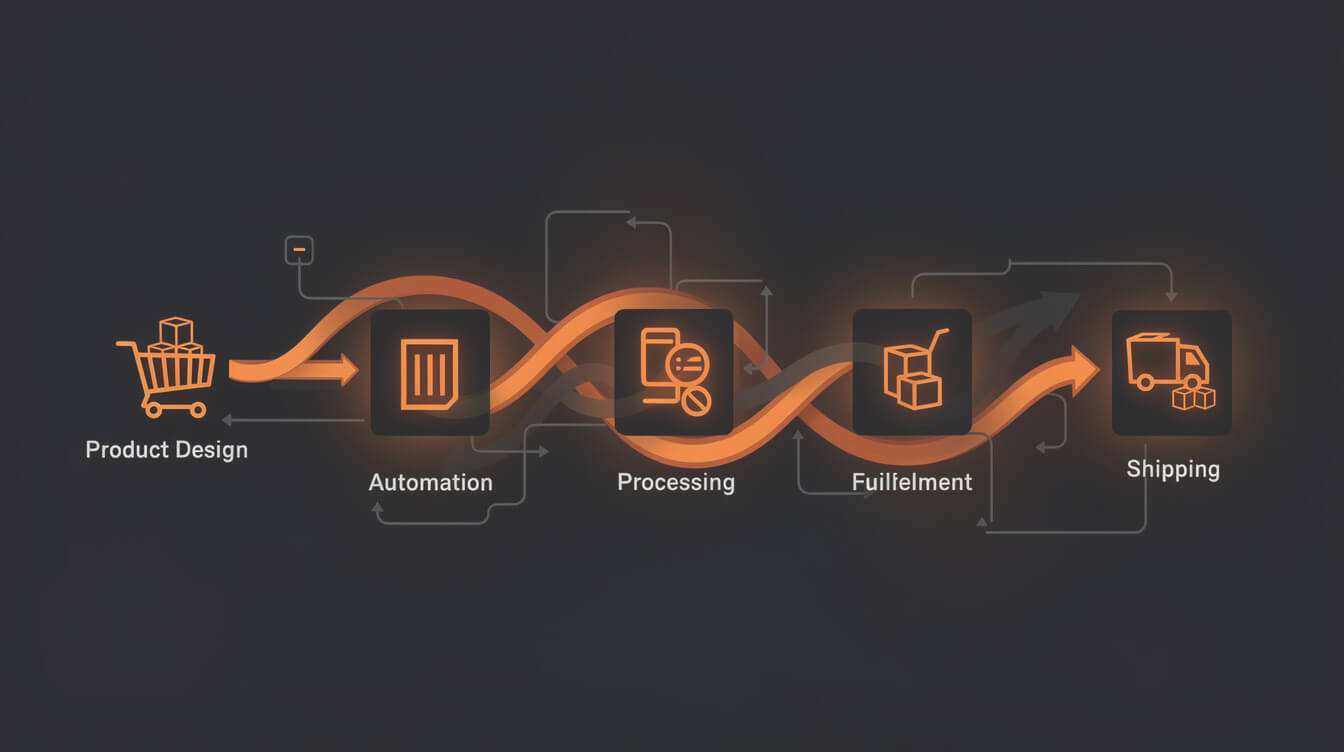
Adding canvas tote bags to a POD store involves the same core steps as any other product: research what designs sell in your niche, generate a design at the correct dimensions, create a listing with an optimized title and description, upload to your fulfillment partner, and sync it to your store. That workflow sounds straightforward. Done manually, it takes 45-60 minutes per product.
MEGA automates the full pipeline end to end. You provide a niche or design angle. MEGA handles AI image generation at the correct dimensions for your fulfillment partner, product naming optimized for search, SEO-ready listing descriptions, and direct upload to both Printful and your WooCommerce store. A tote bag product that takes 60 minutes manually can be live in under 7 minutes.
For sellers building a catalog beyond one or two hero products, that throughput difference compounds. Adding 10 tote bag designs to a seasonal collection is realistic in a single afternoon with automation. Without it, you are choosing between your catalog growth and your other priorities.
The no-minimum model makes automation worth the investment
The no-minimum model that makes POD viable economically is also what makes automation worthwhile. When you can create a product listing for zero inventory cost, the bottleneck is your pipeline speed. How fast can you research, design, and list a new product? For most manual workflows, the answer is slow enough to constrain how many products you can realistically build.
Canvas tote bags are a natural fit for the automation model. They are a versatile product category with consistent search demand, good margin at a $30-35 sell price, and appeal across multiple audience segments: eco-conscious buyers, local business swag, community events, niche interest groups, and fundraising. If you already have a functioning POD store, adding tote bags through an automated listing workflow is one of the lower-effort ways to expand your catalog without adding operational overhead.
Conclusion
Custom canvas tote bag printing is underserved in editorial content because the search term is dominated by bulk supplier pages that assume you want to order 100 bags, not sell 1,000 of them one at a time. The gap that leaves open is real. POD sellers can sell custom tote bags with no minimum order, no inventory, and margins that outperform basic t-shirts when the numbers are done correctly.
The platform you choose, the supplier you use, and the print method your supplier applies all affect the final economics. Printful offers the most consistent quality. Printify offers lower base cost with more provider variance. WooCommerce eliminates the per-transaction platform fee that Shopify Basic charges on every accessory order. Run the numbers for your specific volume and niche before assuming that tote bags are a secondary product category. For many POD stores, they are one of the better margin opportunities available.
Implement AI. 30x your throughput. Get a 30-min call with the founder.
Drop your details and book a free 30-minute discovery call. Personalized advice on your POD stack, your margin, and where AI fits. No pitch, no fluff.